
US Air Force Retires 119 F-15E Strike Eagles as Pentagon Pivots to Next-Generation Combat Aircraft
Breaking airline news and aviation industry updates for 2026.

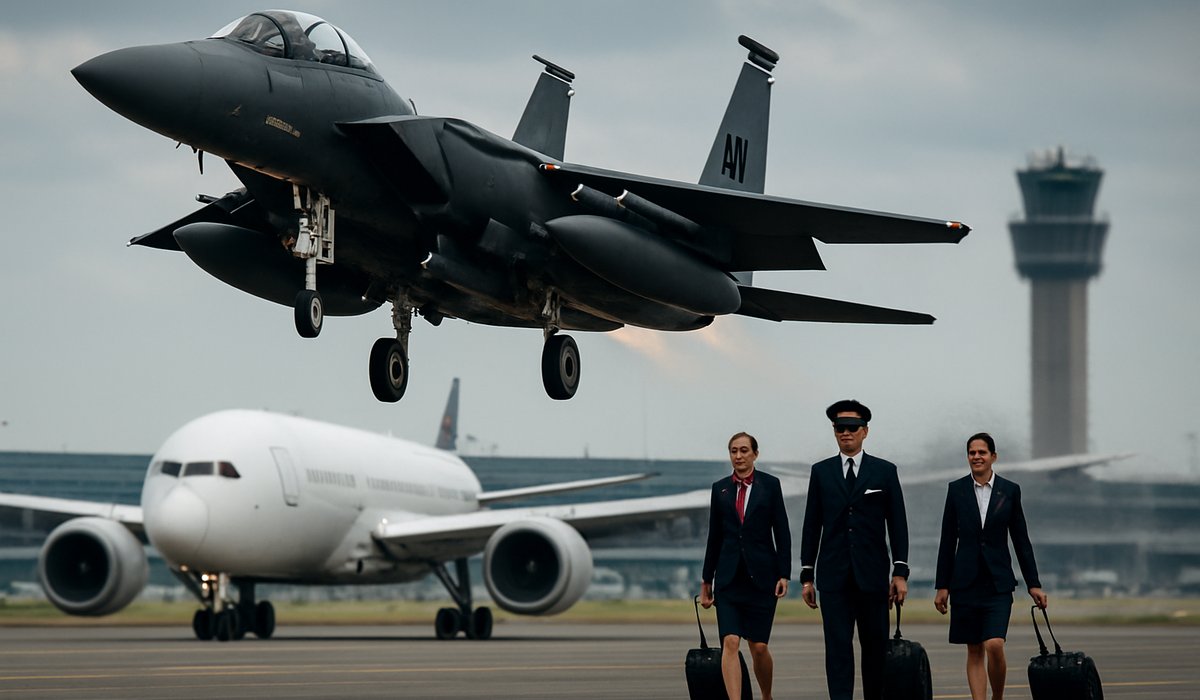
Image generated by AI
US Air Force Retires 119 F-15E Strike Eagles as Pentagon Pivots to Next-Generation Combat Aircraft
Budget pressures and sixth-generation fighter development force military to downsize iconic Boeing fleet
Pentagon Announces Significant Fleet Restructuring
The United States Air Force is decommissioning 119 Boeing F-15E Strike Eagle fighter jets—more than half of its current operational inventory—as the service branch reallocates defense spending toward emerging sixth-generation warplane technology. The decision marks a watershed moment in military aviation strategy, reducing the legacy fighter fleet from 218 aircraft to just 99 retained airframes.
The surviving Strike Eagles represent the service's most advanced variants, equipped with more powerful engines and next-generation avionics systems that extend their operational relevance. The strategic pivot reflects broader Pentagon efforts to modernize the Air Force while managing constrained defense budgets amid competing global security priorities.
Strategic Rationale Behind the Cutdown
The retirement initiative directly supports the Air Force's accelerated timeline for introducing combat-ready sixth-generation fighters within the coming years. These next-generation platforms promise revolutionary capabilities in stealth, sensor integration, and autonomous systems—technological leaps that would render aging Strike Eagle variants obsolete within a decade.
The F-15E Strike Eagle, which first achieved operational status in the 1980s, has compiled an exceptional combat record across multiple decades of engagement. However, the aircraft's maintenance costs, fuel consumption requirements, and training infrastructure demands have become increasingly difficult to justify as the service prioritizes investment in future platforms.
Implications for Defense Modernization
This restructuring reflects a widespread trend across global air forces grappling with the transition from fourth-generation to sixth-generation fighter technology. The decision involves significant financial considerations, including potential costs associated with aircraft storage, disposal, or potential transfer to allied nations.
The retained 99 F-15E variants will continue serving critical roles in regional deterrence and rapid-response operations while the Air Force develops supply chain capabilities and pilot training programs for incoming sixth-generation aircraft. Defense analysts anticipate the transition period will span 5-10 years, during which legacy platforms must maintain operational effectiveness despite reduced fleet size.
Budget Pressures Drive Defense Priorities
The Air Force's modernization strategy aligns with broader Pentagon budgeting constraints that force difficult choices between sustaining aging platforms and investing in future-ready capabilities. Personnel costs, maintenance expenditures, and operational expenses for the expanded Strike Eagle fleet would consume resources needed for research, development, and procurement of advanced systems.
Industry observers expect similar fleet rationalization decisions across military branches as acquisition strategies shift toward smaller numbers of more technologically advanced platforms rather than larger quantities of legacy equipment.
FAQ: Understanding Air Force Fighter Fleet Changes
Why is the US Air Force retiring the F-15E Strike Eagle despite its successful combat history? The Air Force is redirecting defense budgets toward sixth-generation fighter development while reducing maintenance and operational costs associated with aging aircraft platforms.
How many F-15E Strike Eagles will remain operational after the retirement? Ninety-nine upgraded F-15E variants featuring advanced engines and systems will continue serving the Air Force, down from the current fleet of 218 aircraft.
What timeline is the Air Force following for sixth-generation fighter deployment? The service expects the first combat-ready sixth-generation warplanes to join operational squadrons within the next several years.
Will retired F-15E Strike Eagles be transferred to allied nations? The article does not specify disposal methods, though aircraft transfers to allied partners remain a common practice for decommissioned military equipment.
How does this decision impact military readiness during the transition period? The retained 99 upgraded Strike Eagles will maintain sufficient capability for regional deterrence while the Air Force develops infrastructure for next-generation platforms.
Related Travel Guides
- Air Canada, Lufthansa, Delta, United, American, and Air France Slash Summer Flights as Jet Fuel Hits a 10-Year High — Millions of Travellers From the U.S., Canada, UK, EU, India, and Mexico Warned to Expect Surging Fares, Cancelled Routes, and Major Disruptions This Season
- World Cup Travel Chaos: Virgin Atlantic Diverts Massive A350-1000 Jets for Sports Charters, Triggering Fears of Global Airport Disruptions
- Citation Ascend Impact: How Midsize Jets are Redefining Regional Travel Globally
Disclaimer
This article is for informational and educational purposes only. It does not constitute legal, financial, or professional advice. While we strive to provide accurate and up-to-date information, travel policies, regulations, and conditions change rapidly. Always verify information with official sources before making travel decisions. Nomad Lawyer makes no representations about the accuracy, reliability, completeness, or suitability of the information provided. Readers should consult qualified professionals for advice specific to their circumstances. The views expressed in this article are those of the author and do not necessarily reflect the views of Nomad Lawyer.
Kunal K Choudhary
Co-Founder & Contributor
A passionate traveller and tech enthusiast. Kunal contributes to the vision and growth of Nomad Lawyer, bringing fresh perspectives and driving the community forward.
Learn more about our team →