
A350's Advanced Carbon Fiber Construction Creates Unprecedented Repair Challenges for Global Airlines
Breaking airline news and aviation industry updates for 2026.

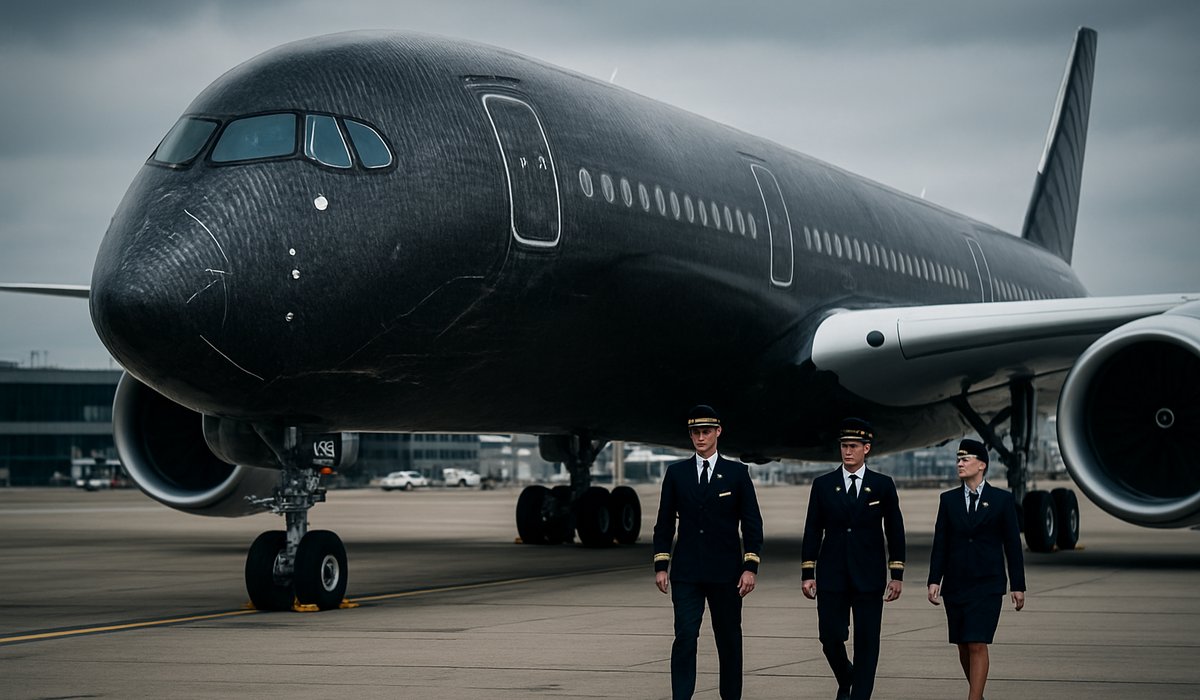
Image generated by AI
A350's Advanced Carbon Fiber Construction Creates Unprecedented Repair Challenges for Global Airlines
Composite materials that slash fuel costs now pose complex maintenance dilemmas as carriers face costly, time-consuming damage recovery
The Efficiency-Maintenance Trade-Off
Airbus's ambitious engineering of the A350 XWB has delivered transformative fuel efficiency gains that have made the wide-body jet a cornerstone of modern fleet strategies for carriers like Delta Air Lines, Qatar Airways, and Singapore Airlines. Yet this technological advancement carries a hidden operational cost: the aircraft's carbon fiber-dominated fuselage—comprising approximately 53% composite materials by weight—creates significant complications when aircraft experience hard landings or structural damage.
The fuel consumption benefits are undeniable. The A350's composite construction reduces jet fuel burn by roughly 25% relative to earlier generation wide-body aircraft, translating to substantial operational savings and reduced aviation industry carbon emissions. However, this same innovation has fundamentally altered the damage assessment and repair landscape for maintenance teams worldwide.
Why Carbon Fiber Damage Differs Fundamentally
Unlike conventional aluminum fuselages, composite materials in the A350 present repair scenarios that demand specialized expertise and extended aircraft downtime. Hard landings—relatively manageable events on traditional aluminum structures—can create internal delamination and microcracking within carbon fiber layers that remain invisible to standard inspection methods.
Traditional aluminum repairs involve straightforward procedures: assess visible damage, replace compromised sections, and return aircraft to service. Composite damage requires meticulous layer-by-layer analysis, often necessitating X-ray and ultrasonic inspection to identify subsurface fractures. Repair work cannot simply involve welding or riveting; technicians must carefully extract damaged composites and bond new material using precise resin systems, demanding specialized training and certification.
Industry-Wide Operational Implications
The maintenance complexity creates broader operational challenges across the aviation industry. Extended repair timelines directly impact airline scheduling, fleet utilization rates, and ultimately jet fuel cost savings achieved through fuel-efficient flight operations. A single hard landing requiring composite fuselage repair can ground aircraft for weeks rather than days, disrupting revenue-generating schedules.
Airlines operating A350 fleets must invest substantially in specialized repair infrastructure and technician training. The composite repair ecosystem remains less mature than aluminum maintenance networks, with fewer authorized repair facilities globally and longer parts procurement cycles.
Looking Forward
As airlines continue expanding A350 deployments—attracted by dramatic reductions in aviation industry operating costs—manufacturers and carriers must develop more efficient composite damage protocols. Industry stakeholders are collaborating to establish standardized inspection procedures and repair methodologies, aiming to accelerate recovery times while maintaining structural integrity and safety standards.
Frequently Asked Questions
What percentage of the Airbus A350 is made from composite materials? Approximately 53% of the A350 XWB's weight comprises composite materials, primarily carbon fiber, concentrated in the fuselage structure.
How much fuel does the A350's composite construction save compared to older aircraft? The advanced materials enable roughly 25% reduction in jet fuel consumption versus previous-generation wide-body aircraft, significantly lowering long-term airline operating expenses.
Why are composite fuselage repairs more expensive than aluminum repairs? Composite damage requires advanced diagnostic imaging (X-ray, ultrasonic scanning) to detect internal delamination invisible to the naked eye. Repairs demand specialized bonding techniques rather than welding, requiring certified technicians and specialized facilities.
Which airlines currently operate the Airbus A350? Major operators include Delta Air Lines, Qatar Airways, Singapore Airlines, and numerous international carriers continuing to expand their A350 deployments.
How does hard-landing damage impact airline operations differently on composite aircraft? Hard landings on composite fuselages may create subsurface damage requiring weeks-long repair timelines, versus days for aluminum aircraft, disrupting scheduling and fleet utilization efficiency.
Related Travel Guides
- Emirates Leads flydubai, Air India, IndiGo, Air India Express, SpiceJet and Salam Air Surge in UAE–India Fare Volatility as Flights Return, Etihad Rail Launches, July Major Changes Roll Out, and Peak Summer Demand Drives Price Swings Across Kerala, Dubai, Abu Dhabi, Sharjah and Oman Routes
- Breaking Airline News: Kuwait Airspace Shutdown Sparks Massive Gulf Travel Chaos Amid Missile Threats and Flight Diversions
- Major US Airlines Including Delta, United, and Alaska Trigger Massive Travel Chaos as 47 Flights are Abruptly Cancelled Across San Francisco, Atlanta, Los Angeles, and Dallas: Latest Airline News
Disclaimer
This article is for informational and educational purposes only. It does not constitute legal, financial, or professional advice. While we strive to provide accurate and up-to-date information, travel policies, regulations, and conditions change rapidly. Always verify information with official sources before making travel decisions. Nomad Lawyer makes no representations about the accuracy, reliability, completeness, or suitability of the information provided. Readers should consult qualified professionals for advice specific to their circumstances. The views expressed in this article are those of the author and do not necessarily reflect the views of Nomad Lawyer.
Raushan Kumar
Founder & Lead Developer
Full-stack developer with 11+ years of experience and a passionate traveller. Raushan built Nomad Lawyer from the ground up with a vision to create the best travel and law experience on the web.
Learn more about our team →