
Visiting the Qiantang River Tidal Bore in Zhejiang: 2026 Logistics and Viewing Guide
Plan your trip to Zhejiang, China, to witness the world-renowned Qiantang River tidal bore, including peak dates for September 2026, optimal viewing locations in Haining, and essential transit logistics.

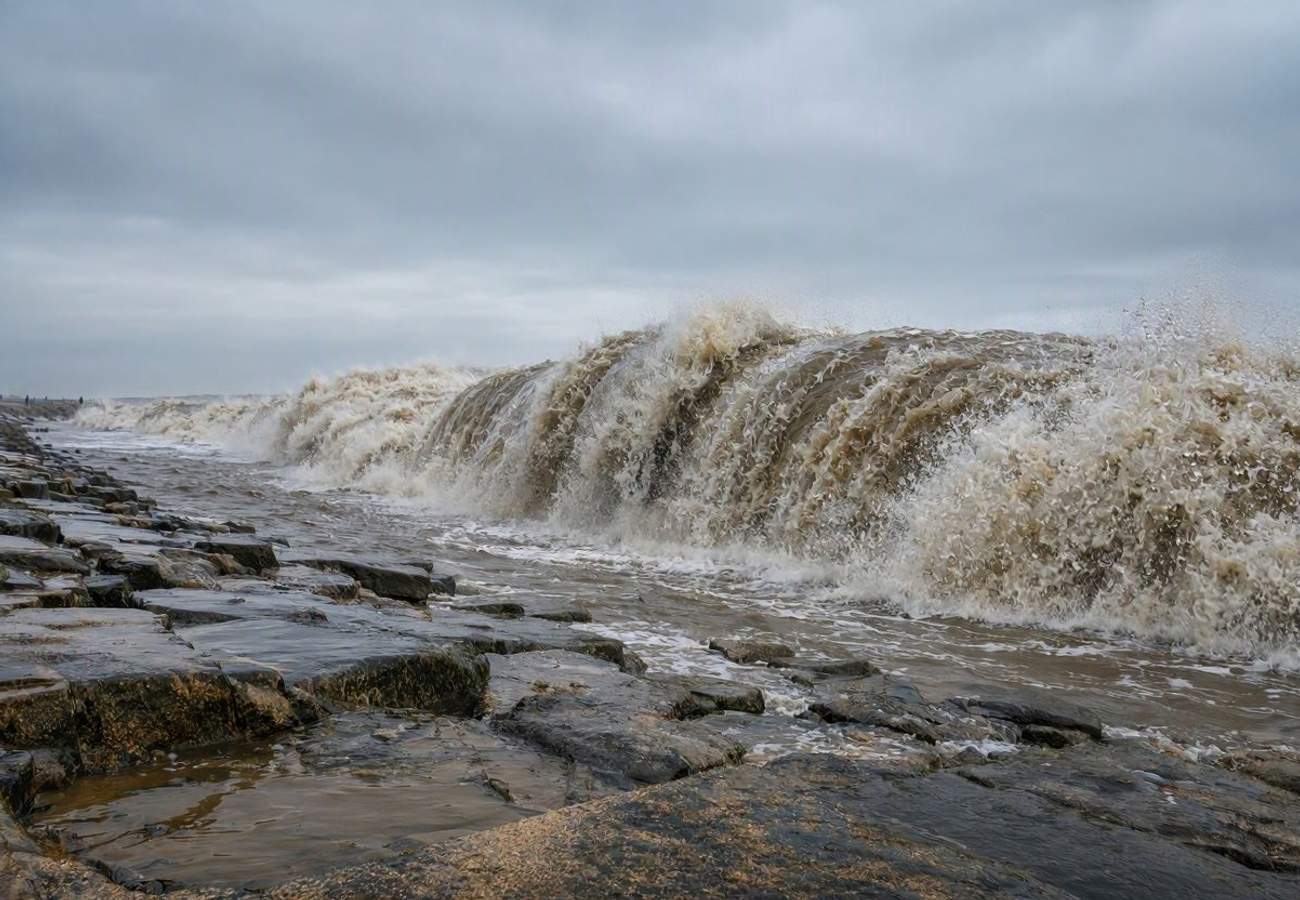
Image generated by AI
Are you planning a trip to Eastern China to witness one of the most powerful hydraulic events on earth? If you are targeting the 2026 peak season, you need a precise logistical strategy to navigate the crowds and timing of the Qiantang River tidal bore.
The Qiantang River Tidal Phenomenon
Located in the Zhejiang Province of eastern China, the Qiantang River hosts a geological anomaly known as a tidal bore. This occurs when the incoming tide from the Hangzhou Bay is forced into the narrowing funnel of the river, creating a fast-moving wall of water that surges upstream. Unlike standard tidal shifts, this is a visible, audible wave that crashes against the riverbanks with immense force.
The event is most prominent in the city of Haining, which serves as the primary hub for international and domestic spectators. Beyond the initial wave, the retreating tide leaves behind intricate, tree-like sediment patterns on the tidal flats, offering a secondary attraction for photographers and geographers after the main event has passed.
Route and Schedule Details
Timing is the most critical factor for this trip. The bore is influenced by the lunar calendar, meaning dates shift annually. For 2026, the peak intensity is forecasted for late September.
| Event Phase | Primary Location | Peak Date (2026) | Typical Duration | Status |
|---|---|---|---|---|
| Peak Tidal Bore | Haining Riverfront | September 28 | Short-duration surge | Active |
| Traditional Peak | Qiantang River | 18th day, 8th Lunar Month | Seasonal | Recurring |
| Tidal Flat Viewing | Haining Shoreline | Post-Tide Retreat | Several hours | Ongoing |
Traveler Logistics Guide
Navigating Zhejiang during a peak natural event requires more than a standard hotel booking. Because thousands of visitors converge on Haining simultaneously, you must follow these specific logistics steps.
1. Optimal Arrival and Transit Most international travelers will enter via Hangzhou. From Hangzhou, the most efficient way to reach Haining is via high-speed rail or private car. I recommend booking your rail tickets through the China Railway 12306 official portal at least 15 days in advance, as seats to Haining sell out rapidly during the lunar peak.
2. Viewing Site Selection Do not attempt to find a random spot on the riverbank. Local authorities establish designated viewing areas for safety. The Haining riverfront is the gold standard for visibility, but it becomes extremely congested. To avoid the heaviest crowds, arrive at the designated zones at least three hours before the predicted wave arrival.
3. Safety and Customs The Qiantang bore is not a swimming or boating event; it is a high-energy water surge that can be dangerous. Stay behind the safety barriers. Ensure your passport and visa are current; if you are a citizen of a country with a visa-free agreement with China, double-check the duration of your stay allowed under the current 2026 regulations.
4. Digital Readiness Download a reliable translation app and ensure your mobile payment systems (Alipay or WeChat Pay) are linked to an international card. In the rural areas around Haining, cash is less common than digital payments, and English proficiency is lower than in downtown Hangzhou.
Regional Connectivity Impact
The rise of nature-based tourism in Zhejiang is shifting the regional travel flow. Traditionally, visitors focused on the West Lake in Hangzhou. However, the global interest in "experiential travel"—where the goal is a meaningful encounter with a natural force—has turned Haining into a primary destination.
This shift has led to increased infrastructure investment in the corridor between Hangzhou and the coast. Travelers can now more easily integrate a visit to the Qiantang River with explorations of Zhejiang's historic water towns. This connectivity allows for a multi-city itinerary that balances the adrenaline of the tidal bore with the slower pace of regional cultural heritage sites.
Strategic Logistics Analysis and 2026 Traveler Insights
For travelers aiming to witness the Qiantang River tidal bore in 2026, a comprehensive understanding of the logistical landscape is crucial. The event's peak season, typically occurring in late September, attracts thousands of spectators, making prior planning essential for a seamless experience.
Peak Travel Timing
The lunar calendar dictates the tidal bore's schedule, with the 18th day of the 8th lunar month being the traditional peak. However, for 2026, the forecasted peak intensity is on September 28. Travelers should plan their itinerary around this date, considering that the surrounding days will also offer spectacular views, albeit slightly less intense. It's advisable to avoid the exact peak day if possible, as crowds can be overwhelming. Instead, opt for the days leading up to or following the peak, when the tidal bore is still impressive but the crowds are more manageable.
The Qiantang River Tidal Bore in Zhejiang is a natural wonder that attracts tourists from around the world, and for the latest information on travel restrictions and COVID-19 protocols, visitors can check the official website of the Zhejiang Tourism Bureau for updates. To plan their trip, tourists can also refer to the bureau's guidelines on accommodation and transportation options. Additionally, the Zhejiang Tourism Bureau provides a comprehensive guide to the region's top attractions and experiences.
Booking Considerations
Booking accommodations and transportation well in advance is vital. Haining's hotels and viewing platforms fill up quickly, and prices tend to surge as the peak date approaches. Travelers should secure their bookings at least a month prior to their visit. For transportation, high-speed rail tickets from Hangzhou to Haining can be booked through the China Railway 12306 portal, with recommendations to do so at least 15 days in advance to ensure availability. Private car services are also an option for those preferring a more personalized transit experience.
Transit Alternatives
While high-speed rail is the most efficient way to reach Haining from Hangzhou, other transit alternatives exist for travelers with different preferences or time constraints. Private cars and taxis offer flexibility, especially for groups or those with a lot of luggage. However, they can be more expensive and are subject to traffic conditions. Bus services are another option, providing an economical choice, though they may take longer and have less frequent departures. For the adventurous, biking from Hangzhou to Haining can be a unique way to experience the local countryside, though this should be undertaken only by experienced cyclists due to the distance and road conditions.
Regional Context for Travelers
Understanding the regional context can greatly enhance a traveler's experience. The Qiantang River tidal bore is not just a natural phenomenon but also a deeply cultural event, with local festivities and traditions surrounding the peak season. Travelers can immerse themselves in the local culture by attending these events, trying regional cuisine, and exploring the historical sites in and around Haining. The city's riverfront, beyond being a viewing spot for the tidal bore, offers scenic walks, local markets, and a glimpse into daily life in this part of China.
Safety and Viewing Etiquette
Safety is a paramount concern during the tidal bore viewing. Travelers must adhere to the designated viewing areas and follow local guidelines to avoid accidents. The surge of the tidal bore can be unpredictable, and the riverbanks can be slippery. It's also important to respect the environment and other spectators, keeping the viewing areas clean and not obstructing the views of others. Local authorities and volunteers are usually present to guide the crowd and ensure a safe and enjoyable experience for all.
Conclusion
Visiting the Qiantang River tidal bore in 2026 requires meticulous planning, from choosing the right travel dates to understanding the local context and safety guidelines. By being well-prepared and flexible, travelers can have a memorable and enriching experience, witnessing one of the world's most spectacular natural events while immersing themselves in the vibrant culture of Zhejiang Province. Whether you're a nature enthusiast, a photographer, or simply a curious traveler, the Qiantang River tidal bore is an experience that will leave you in awe of the power and beauty of nature.
FAQ: Qiantang River Tidal Bore 2026
Do I need a special permit to view the tidal bore? No special permit is required for general public viewing areas. However, access to certain restricted riverbanks may be closed by local police for safety reasons during the September 28 peak.
How long is the actual wave event? The primary "wall of water" passes a specific point relatively quickly, but the overall tidal activity and the subsequent reshaping of the shoreline last for several hours.
Can I check bags through to Haining? If you are flying into Hangzhou and taking a train to Haining, you must handle your own luggage. There is no integrated airport-to-Haining baggage transfer system.
Is it safe to walk on the tidal flats? Only after the tide has fully retreated and local officials have deemed the area safe. The mud can be deep and the returning tide arrives with dangerous speed.
Witnessing the Qiantang surge is a lesson in nature's raw power—just ensure your logistics are as precise as the tide.
Related Travel Guides
Disclaimer
This article is for informational and educational purposes only. It does not constitute legal, financial, or professional advice. While we strive to provide accurate and up-to-date information, travel policies, regulations, and conditions change rapidly. Always verify information with official sources before making travel decisions. Nomad Lawyer makes no representations about the accuracy, reliability, completeness, or suitability of the information provided. Readers should consult qualified professionals for advice specific to their circumstances. The views expressed in this article are those of the author and do not necessarily reflect the views of Nomad Lawyer.
Raushan Kumar
Founder & Lead Developer
Full-stack developer with 11+ years of experience and a passionate traveller. Raushan built Nomad Lawyer from the ground up with a vision to create the best travel and law experience on the web.
Learn more about our team →