
Virgin Australia Deploys Massive Boeing 737-10 Fleet Upgrade to Defeat Domestic Travel Chaos
Breaking airline news: Virgin Australia aggressively expands its fleet with massive Boeing 737-10s, utilizing increased capacity to shield passengers from severe domestic travel chaos.

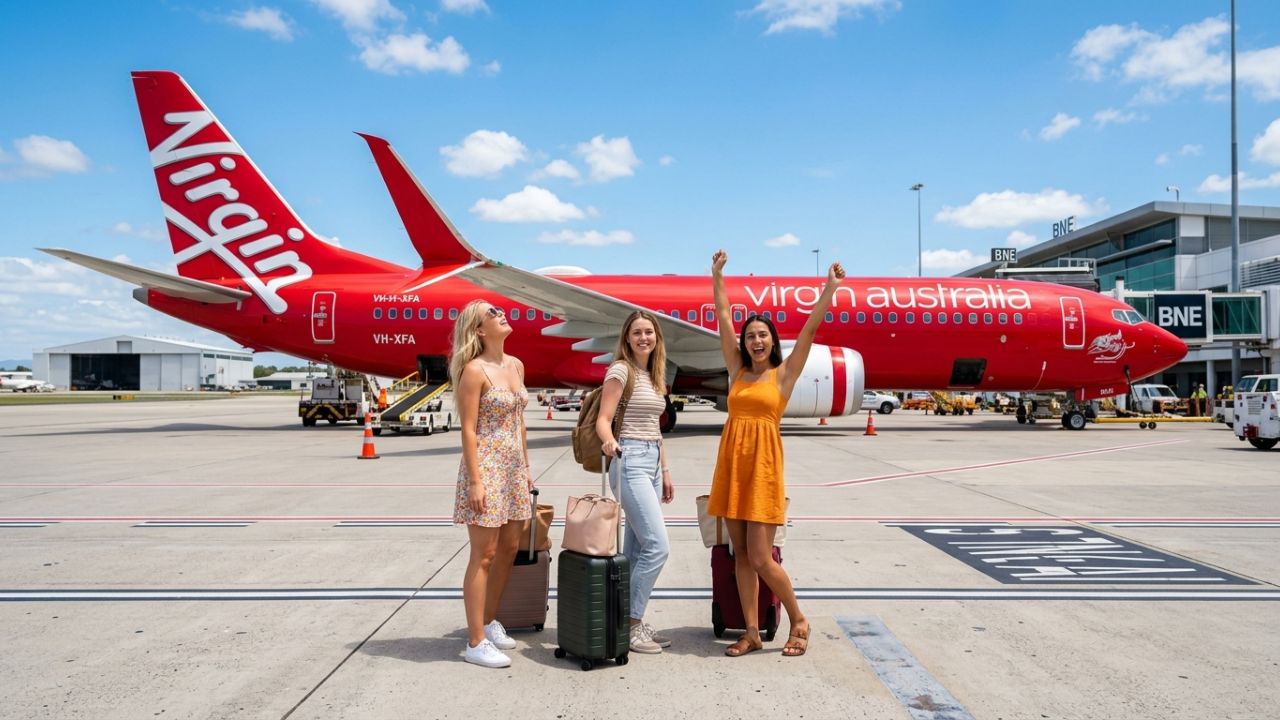
Image representing Virgin Australia's historic integration of the massive Boeing 737-10, an operational upgrade designed specifically to absorb surging passenger demand and prevent severe travel chaos.
Virgin Australia Deploys Massive Boeing 737-10 Fleet Upgrade to Defeat Domestic Travel Chaos
Expanding Capacity to Shield the Australian Aviation Network
The Australian domestic aviation sector is entering a massive, high-stakes phase of operational expansion designed to permanently neutralize the threat of systemic terminal congestion. According to the latest breaking airline news, Virgin Australia has aggressively advanced its long-term fleet renewal program, officially confirming the planned introduction of the massive Boeing 737-10. Scheduled to join active operations in late 2027, this airframe will officially become the largest jet in the carrier’s history. This historic procurement is far more than a routine hardware upgrade; it is a calculated operational defense designed to completely insulate Australian travelers from the severe travel chaos that frequently cripples high-demand domestic corridors.
Historically, surging passenger demand across major Australian cities often exceeded the seating capacity of standard narrow-body aircraft. When demand outstrips supply, any localized weather event or air traffic control issue instantly cascades into severe airport disruptions and devastating flight cancellations. By injecting the massive seating capability of the Boeing 737-10 directly into its network, Virgin Australia is heavily expanding its operational buffer. The airline is actively engineering a highly resilient, high-volume transit environment, ensuring that travelers across Australia and short-haul international sectors are protected from the friction and unrecoverable delays that define modern global transit.
The Scale of the Capacity Defense
The sheer scale of this modernization effort was recently showcased at Virgin Australia’s primary maintenance facility in Brisbane. The event, highly attended by airline employees and families, highlighted the carrier's relentless push to dominate the domestic market through superior hardware. Virgin Australia has secured a firm order for ten Boeing 737-10 aircraft, representing a massive step forward in strategic capacity planning.
This massive airframe will operate seamlessly alongside the airline's existing fleet of Boeing 737-8 and Embraer E190-E2 models. This streamlined, highly integrated fleet strategy is critical to defeating travel chaos. By operating common aircraft types, Virgin Australia radically reduces engineering complexity. This allows for highly efficient maintenance turnaround times and drastically lowers the statistical probability of mechanical issues triggering sudden flight cancellations. When airlines simplify their fleets, they guarantee operational consistency, providing passengers with an incredibly reliable travel experience even during peak holiday seasons.
Section-Wise Breakdown: Navigating the Fleet Evolution
The defense against passenger exhaustion is being executed through a combination of massive capacity increases, brutal environmental efficiency, and strategic workforce engagement:
Environmental Efficiency as a Strategic Asset Virgin Australia’s expansion is heavily anchored in sustainability. According to current aviation updates, the airline has compiled three years of operational data from its Boeing 737 MAX operations, supported by a rapidly growing fleet of 19 Boeing 737-8 aircraft. This data reveals staggering environmental gains. Compared to older generation aircraft, the modern 737 fleet has successfully reduced fuel consumption by an estimated 30 million liters and slashed carbon emissions by over 77,000 tonnes. The airline is scheduled to receive an additional seven Boeing 737-8s before the end of the year, bringing the total to 26 units. The upcoming 737-10 will drastically compound these efficiencies, allowing the airline to transport massive passenger volumes at a fraction of the historical environmental cost.
The Brisbane Hub and Workforce Identity Airlines cannot defeat airport disruptions without a highly motivated workforce. During the Brisbane hangar event, Virgin Australia unveiled a highly symbolic milestone aircraft. Adorned in a distinctive red livery, this specific jet represents the 150th Boeing 737 delivery for the airline and marks the 100th aircraft currently operating within its active fleet. Crucially, the cabin explicitly displays the names of thousands of staff members. By directly connecting workforce identity to major operational milestones, management is successfully engineering an internal culture deeply committed to reliability and rapid turnaround efficiency.
The Boeing Partnership Advantage The deeply embedded collaboration between Virgin Australia and Boeing remains the central pillar of this modernization effort. By heavily committing to the 737 MAX family, Virgin Australia maintains absolute commonality in pilot training and maintenance procedures. When a crew can seamlessly transition between a 737-8 and a 737-10, the airline gains unparalleled scheduling flexibility. This operational agility is the ultimate weapon against travel chaos, allowing dispatchers to dynamically swap aircraft to absorb sudden passenger surges without delaying flights.
Operational Infrastructure Details: The Virgin Australia Fleet Matrix
To provide exact, factual clarity on the immense scope of this aviation expansion, industry analysts track the specific hardware metrics engineered by Virgin Australia. The following factual matrix details the precise breakdown of the airline's fleet evolution and environmental performance:
Factual Virgin Australia Fleet & Efficiency Matrix
| Operational / Environmental Metric | Factual Details & Data Points |
|---|---|
| New Aircraft Order | 10 Boeing 737-10 aircraft (Firm Order) |
| Projected 737-10 Delivery | Late 2027 (pending US regulatory progress) |
| Aircraft Significance | Will become the largest jet in Virgin Australia's history |
| Current 737-8 Fleet | 19 aircraft currently in operation |
| Pending 737-8 Deliveries | 7 additional aircraft by end of year (Total: 26 units) |
| Other Fleet Aircraft | Embraer E190-E2 |
| Historical Milestone | 150th Boeing 737 delivery; 100th aircraft in active fleet |
| Environmental Gain (Fuel) | Estimated reduction of 30 million liters (over 3 years of MAX ops) |
| Environmental Gain (Carbon) | Decrease of >77,000 tonnes of carbon emissions |
Passenger Impact: Securing the Domestic Corridor
For the Australian domestic traveler, the integration of the Boeing 737-10 represents the ultimate logistical upgrade. Historically, attempting to travel between Sydney, Melbourne, or Brisbane during peak hours subjected passengers to intense capacity constraints. When flights are completely full, there is zero flexibility. A single mechanical issue or severe weather event triggers rolling delays, and stranded passengers face days of travel chaos because subsequent flights have no available seats to accommodate them.
By deploying the massive seating capacity of the 737-10, Virgin Australia completely changes this dynamic. The increased capacity ensures that even during severe airport disruptions, the airline has the sheer volume required to rapidly re-accommodate delayed passengers. This massive expansion allows travelers to book domestic and short-haul international flights with absolute confidence, knowing the airline has the heavy hardware required to prevent unrecoverable flight cancellations.
Industry Analysis: Shaping Advanced Aviation Networks
According to the latest aviation updates, the Virgin Australia Boeing 737-10 procurement proves that the Australian market is undergoing a structural shift toward high-capacity, highly sustainable operations. Legacy models that relied on massive fleets of aging, inefficient aircraft are no longer economically viable. By aggressively retiring older jets and standardizing around the highly efficient 737 MAX family, Virgin Australia is radically lowering its operating costs while simultaneously expanding its seating capability. This strategy directly sets the stage for a far more resilient, environmentally conscious future in Australian air travel.
Conclusion: A Seamless Gateway Across Australia
Virgin Australia’s firm order for ten massive Boeing 737-10 aircraft is a monumental operational victory for Australian aviation. Scheduled for late 2027, this historic fleet expansion will deploy the largest jets in the carrier's history, establishing a highly resilient, high-capacity network that completely bypasses the severe travel chaos infecting constrained domestic corridors. Driven by the incredible environmental success of its existing 737-8 fleet—which has already saved 30 million liters of fuel—this expansion proves that airlines can heavily increase passenger volume while slashing emissions. As Virgin Australia integrates these massive Boeing jets into its Brisbane-led operations, Australian passengers are permanently shielded from the agonizing airport disruptions and flight cancellations that historically defined high-demand domestic travel.
Key Takeaways
- Historic Fleet Expansion: Virgin Australia has placed a firm order for 10 massive Boeing 737-10 aircraft, scheduled for delivery in late 2027.
- Defeating Travel Chaos: The massive increase in seating capacity acts as a critical buffer, shielding passengers from severe airport disruptions on high-demand routes.
- Massive Environmental Gains: The existing 737 MAX operations have already reduced fuel consumption by 30 million liters and cut 77,000 tonnes of carbon emissions.
- Rapid Delivery Schedule: Seven additional Boeing 737-8s will arrive by year's end, increasing the sub-fleet to 26 units.
- Workforce Recognition: A milestone aircraft in red livery, representing the airline's 100th active jet, features the names of thousands of staff members in the cabin.
🌍 Related Travel Guides & Flight Resources
- Navigate Airport Disruptions Like a Pro Master the art of surviving unexpected travel chaos with our expert strategies.
- Breaking Airline News & Evasion Routes Stay ahead of the delays with our real-time aviation updates and route intelligence.
- Global Flight Cancellation Defense Grid Essential legal rights and compensation tactics when your flight goes down.
⚖️ Disclaimer
The aviation hardware intelligence, Boeing 737 MAX delivery schedules, and environmental efficiency metrics provided in this report are for informational purposes only. Airline fleet procurement timelines, specific aircraft seating capacities, and US regulatory approvals are highly volatile and subject to immediate change based on manufacturing delays, international certification requirements, and sudden macroeconomic shifts. All capacity and environmental data has been officially sourced from Virgin Australia and Boeing and remains fluid. NomadLawyer does not guarantee the absolute accuracy or current validity of the information provided and assumes no liability for travel disruptions, flight cancellations, altered itineraries, or any financial consequences resulting from the use of this content. Passengers are strongly advised to independently verify all flight statuses and specific aircraft deployments directly with Virgin Australia prior to booking.
Disclaimer
This article is for informational and educational purposes only. It does not constitute legal, financial, or professional advice. While we strive to provide accurate and up-to-date information, travel policies, regulations, and conditions change rapidly. Always verify information with official sources before making travel decisions. Nomad Lawyer makes no representations about the accuracy, reliability, completeness, or suitability of the information provided. Readers should consult qualified professionals for advice specific to their circumstances. The views expressed in this article are those of the author and do not necessarily reflect the views of Nomad Lawyer.
Kunal K Choudhary
Co-Founder & Contributor
A passionate traveller and tech enthusiast. Kunal contributes to the vision and growth of Nomad Lawyer, bringing fresh perspectives and driving the community forward.
Learn more about our team →