
Travel Updates: Vietnam Emerges as a Sanctuary from Global Travel Chaos With Expanded Visas and Regional Connectivity
As airport disruptions plague traditional hubs, Vietnam rapidly becomes Southeast Asia's ultimate travel powerhouse through streamlined visas and diverse destinations.

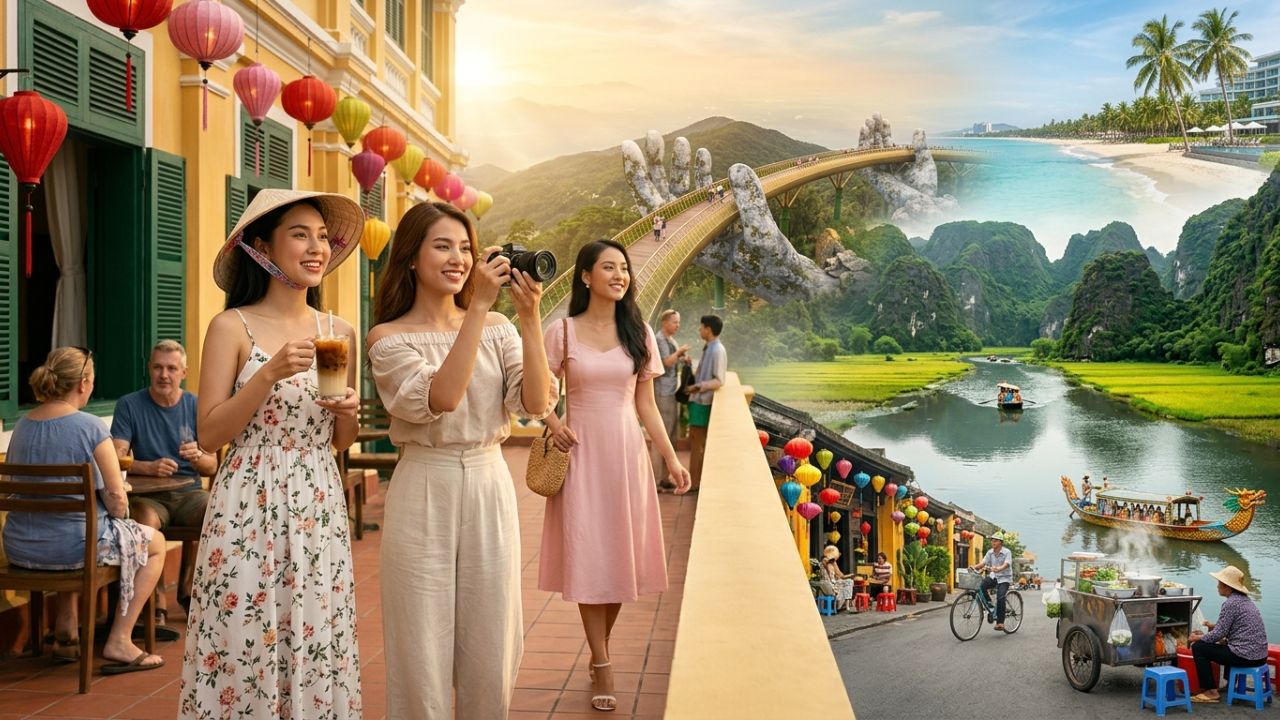
Image generated by AI
Travel Updates: Vietnam Emerges as a Sanctuary from Global Travel Chaos With Expanded Visas and Regional Connectivity
By radically simplifying entry requirements and bolstering domestic infrastructure, Vietnam is capturing a massive wave of international tourists actively fleeing the operational meltdowns of Western transit networks.
Image generated by AI
As peak-season airline news and relentless aviation updates continue to broadcast an endless stream of airport disruptions and crippling flight cancellations across Europe and North America, highly agile global travelers are aggressively pivoting toward more stable, highly accessible markets. Emerging from the geopolitical and operational friction of global transit, Vietnam has officially solidified its status as Southeast Asia’s absolute travel powerhouse. By deploying a massive simplification of travel rules—specifically expanding electronic visa facilities and drastically extending visa validity periods—the Vietnamese government has engineered a completely frictionless entry process. For travelers exhausted by Western travel chaos, Vietnam now represents the ultimate sanctuary: a destination that flawlessly combines pristine beaches, high-altitude mountains, deep cultural immersion, and world-class culinary experiences within a highly connected, deeply affordable, and incredibly stable domestic travel ecosystem.
Expanded Overview: The Shift to Southeast Asia
When analyzing modern global tourism flows, the mass migration of travelers toward Southeast Asia is driven by a deep desire for highly reliable, extended experiences.
Historically, Vietnam was viewed as a brief stopover on broader regional itineraries. However, as international travel patterns evolve to favor long-stay resilience, Vietnam is now the primary destination. The expansion of flexible travel policies has aggressively attracted highly lucrative demographics: digital nomads, solo travelers, and large families who demand extended holidays rather than rushed, highly vulnerable short visits. By allowing tourists to spend additional time legally exploring different regions through streamlined electronic visas, Vietnam has essentially weaponized its accessibility to siphon massive tourism volume away from heavily congested, hyper-expensive Western travel corridors.
Section-Wise Breakdown: The Major Hubs and Coastal Escapes
While the massive urban centers of Hanoi and Ho Chi Minh City continue to serve as the critical international gateways handling the bulk of inbound aviation traffic, tourists are increasingly pushing deeper into the country.
Da Nang has rapidly exploded into a highly demanded coastal destination. Boasting an incredibly strong combination of pristine beaches, highly modern hotels, and seamless access to nearby cultural attractions, the city offers the perfect blend of urban comfort and seaside relaxation. Further south, the island of Phu Quoc continues to dominate the luxury market, attracting thousands of international travelers demanding high-end island vacations, exclusive luxury resorts, and pristine water activities away from mainland congestion.
Section-Wise Breakdown: The Northern Mountains and Heritage Sites
For travelers seeking deep cultural immersion and nature-based tourism, the northern and central regions offer incredibly diverse landscapes accessible within relatively short transit times.
Sa Pa, located deep in the northern mountains, provides a massive contrast to the coastal heat. Offering distinctly cooler weather, staggering scenic landscapes, and intense cultural experiences, visitors flock here to engage with local traditions and execute world-class hiking itineraries. Meanwhile, Ninh Binh has achieved massive international popularity due to its highly cinematic limestone mountains, sprawling river landscapes, and deeply preserved historical sites.
Travel Details: Vietnam Regional Tourism Matrix
The exact geographical distribution of these high-demand travel zones, alongside their primary tourism drivers, has been consolidated into the mandatory matrix below.
Vietnam Regional Tourism Matrix
| Destination / Region | Primary Tourism Drivers & Features |
|---|---|
| Hanoi & Ho Chi Minh City | Major international gateways, primary urban hubs |
| Da Nang | Coastal city, beaches, modern hotel infrastructure |
| Phu Quoc | Island vacations, luxury resorts, water activities |
| Sa Pa (Northern Region) | Mountain landscapes, cooler weather, cultural hiking |
| Ninh Binh | Limestone mountains, river landscapes, historical sites |
| National Infrastructure | Domestic flights, train networks, electronic visas |
Passenger Impact: Affordability and the Culinary Experience
For the global consumer, the true power of the Vietnamese travel experience lies in its unparalleled affordability combined with massive cultural depth.
Whether utilizing budget guesthouses or ultra-luxury resorts, the cost-to-value ratio is staggering. Supported by a highly efficient network of domestic flights, trains, and robust road networks, tourists can easily execute multi-region itineraries without suffering massive financial expenses. Furthermore, Vietnam’s food culture has evolved into one of its absolute strongest tourism anchors. Visitors are increasingly planning their entire itineraries around regional specialties, heavily engaging in street food markets, traditional restaurants, and highly specialized cooking classes. The booming local coffee culture provides yet another layer of authentic immersion, allowing travelers to directly experience local life while avoiding highly sanitized, overpriced tourist traps.
Industry Analysis: Visa Streamlining and Digital Influence
Tourism strategists note that Vietnam’s explosive growth is not accidental; it is the direct result of coordinated government policy and massive digital influence.
By actively dismantling bureaucratic barriers through the expansion of electronic visas, the government removed the primary friction point preventing long-stay tourism. Simultaneously, the country is benefiting massively from a tidal wave of social media exposure. Travel content creators and digital nomads broadcast Vietnam's highly authentic experiences, hidden destinations, and rich local culture to massive global audiences. Because the modern traveler aggressively seeks meaningful interactions over traditional sightseeing, Vietnam’s unique ability to combine famous landmarks with highly accessible, off-the-beaten-path experiences makes it a viral powerhouse within the global travel market.
Conclusion: Southeast Asia's Ultimate Destination
Ultimately, Vietnam has successfully transitioned from a regional stopover into a globally dominant travel powerhouse. By executing highly strategic policy updates—specifically longer visa validity periods and expanded electronic entry—the country has created a highly secure, frictionless environment for international travelers. As severe flight cancellations and crippling travel chaos continue to fundamentally break traditional Western tourism markets, Vietnam offers a deeply reliable sanctuary. Whether exploring the high-altitude trails of Sa Pa, relaxing in the luxury resorts of Phu Quoc, or navigating the vibrant street food markets of Ho Chi Minh City, global tourists are recognizing that Vietnam provides the absolute highest standard of diverse, affordable, and authentic travel currently available in Southeast Asia.
Key Takeaways
- Policy Overhaul: Vietnam has massively expanded electronic visa facilities and extended visa validity periods, sparking a massive surge in long-stay international tourism.
- Diverse Destinations: Beyond the gateways of Hanoi and Ho Chi Minh City, travelers are flooding into Da Nang (coastal), Phu Quoc (luxury island), Sa Pa (mountains), and Ninh Binh (river landscapes).
- Culinary Tourism: Authentic street food, regional cooking classes, and local coffee culture have become primary drivers for inbound travel itineraries.
- Domestic Connectivity: A highly efficient network of domestic flights, trains, and road infrastructure allows travelers to easily navigate multiple regions affordably.
- Digital Dominance: Social media and travel content creators are heavily driving global interest by showcasing Vietnam's highly authentic, off-the-beaten-path experiences.
FAQ: Vietnam Tourism and Visa Policies 2026
Why is Vietnam seeing such a massive surge in international tourism? The surge is primarily driven by the government's highly strategic simplification of travel rules, including longer visa validity periods and greatly expanded electronic visa (e-visa) facilities.
What are the top regional destinations to visit outside of Hanoi and Ho Chi Minh City? High-demand destinations include Da Nang for coastal city experiences, Phu Quoc for luxury island resorts, Sa Pa for mountain hiking, and Ninh Binh for cinematic river landscapes.
Is it easy to travel between different regions within Vietnam? Yes, Vietnam possesses a highly efficient, deeply affordable domestic infrastructure utilizing local flights, extensive train networks, and modern roads, making multi-region itineraries seamless.
Related Travel Guides
Canada Border Services Free Flow Transit System 2026
United Airlines Boeing 737 MAX 9 Denver Turks and Caicos 2026
Southeast Asia Digital Nomad Visa Application Guide 2026
Disclaimer: This article is strictly for informational purposes. The tourism data regarding regional destinations (Da Nang, Phu Quoc, Sa Pa, Ninh Binh), local infrastructure, and travel trends are based on official Vietnamese tourism reports at the time of publication. Immigration policies, electronic visa (e-visa) eligibility, and visa validity periods are highly dynamic and subject to continuous modification by the Vietnamese government. Travelers must explicitly verify their exact visa requirements and entry eligibility directly with the Vietnamese embassy or official immigration portals prior to booking and travel.
Disclaimer
This article is for informational and educational purposes only. It does not constitute legal, financial, or professional advice. While we strive to provide accurate and up-to-date information, travel policies, regulations, and conditions change rapidly. Always verify information with official sources before making travel decisions. Nomad Lawyer makes no representations about the accuracy, reliability, completeness, or suitability of the information provided. Readers should consult qualified professionals for advice specific to their circumstances. The views expressed in this article are those of the author and do not necessarily reflect the views of Nomad Lawyer.
Preeti Gunjan
Contributor & Community Manager
A passionate traveller and community builder. Preeti helps grow the Nomad Lawyer community, fostering engagement and bringing the reader experience to life.
Learn more about our team →