
Vietnam Travel Boom Guide 2026: 17.7M Arrivals Outpace Southeast Asian Rivals

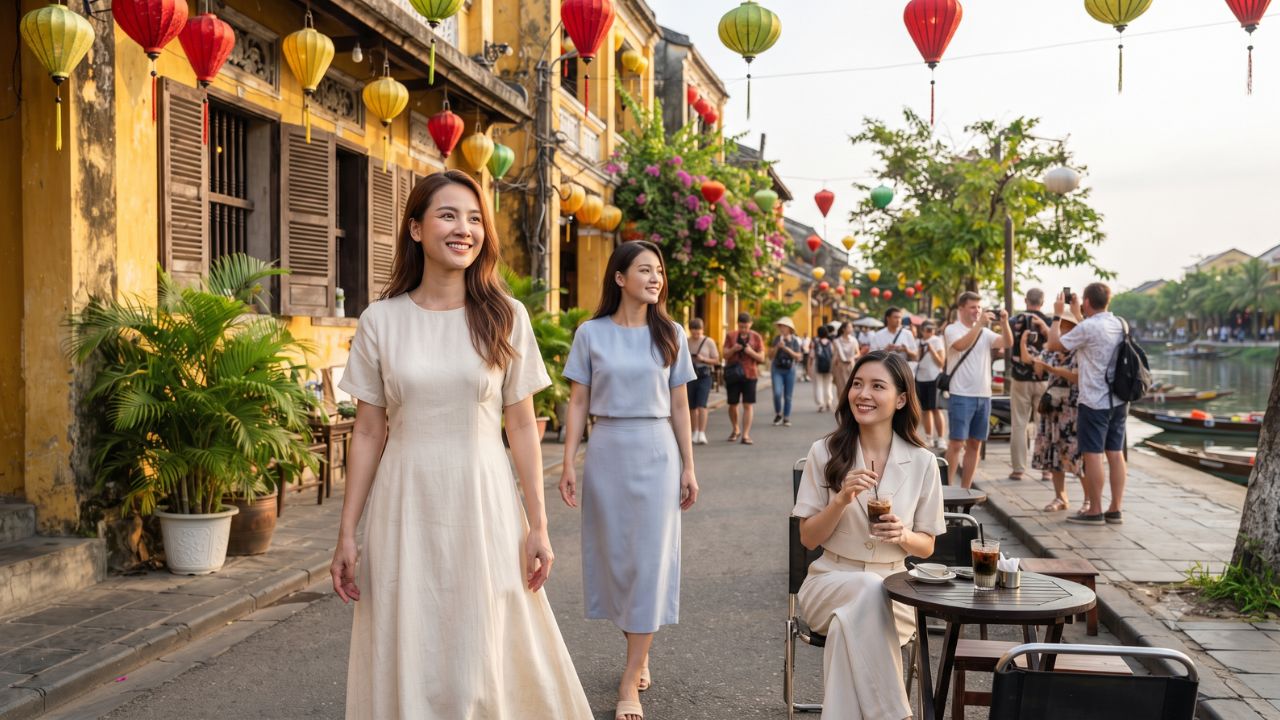
While neighboring Southeast Asian heavyweights saw inbound visitor numbers contract, Vietnam welcomed 17.7 million international travelers between January and September 2026, delivering a remarkable 14.5% year-on-year growth rate. Led by surging demand from Northeast Asia, North America, India, and an unprecedented 50% jump in European arrivals, the nation has evolved from an inexpensive backpacker transit hub into one of Asia's most resilient and diverse cultural destinations.
The divergence across regional travel economies highlights a shifting travel pattern across the Indochina peninsula. According to official data from the Vietnam National Authority of Tourism (Vietnam.travel), while Thailand experienced a 3.65% dip, Singapore fell 1.7%, and Cambodia’s inbound traffic dropped by nearly half, Vietnam’s expanded e-visa policies, upgraded aviation links, and luxury eco-resort investments have broadened its appeal across budget, heritage, and luxury travel segments.
Dissecting the 2026 Inbound Wave: Markets, Rankings, and Momentum
During the first nine months of 2026, foreign arrivals in Vietnam reached 17.7 million, showing resilient strength despite seasonal fluctuations. In September 2026 alone, international entries stood at 1.77 million—an 11.3% seasonal decline from August, yet an impressive 16.5% increase compared to September 2025.
Mainland China and South Korea continue to anchor Vietnam's core visitor base, together representing nearly 40% of all international entries. China retained the top ranking with 3.95 million visitors (22.3% market share), while South Korea followed closely with 3.05 million arrivals (17.3% market share).
A major shift in 2026 has been the rapid diversification of long-haul and secondary source markets recorded by the General Statistics Office of Vietnam. Russia emerged as Vietnam’s third-largest source market with 1.10 million visitors, followed by Taiwan (964,000) and the United States (746,000). Rapid outbound travel from India (670,000) and Australia (485,000) also secured positions in the national top ten.
| Source Market Rank | Country / Territory | Arrivals (Jan–Sep 2026) | National Market Share | Core Travel Preferences in Vietnam |
|---|---|---|---|---|
| 1 | Mainland China | 3,950,000 | 22.3% | Coastal resorts, Da Nang, Ha Long Bay cruises |
| 2 | South Korea | 3,050,000 | 17.3% | Nha Trang beach breaks, golf, Phu Quoc luxury |
| 3 | Russia | 1,100,000 | 6.2% | Extended coastal stays, Cam Ranh, Mui Ne |
| 4 | Taiwan | 964,000 | 5.4% | Heritage touring, Ba Na Hills, street food |
| 5 | United States | 746,000 | 4.2% | Culinary immersion, Hanoi culture, Mekong Delta |
| 6 | Cambodia | 688,000 | 3.9% | Cross-border overland travel, Ho Chi Minh City |
| 7 | Japan | 674,000 | 3.8% | UNESCO heritage sites, Hoi An, craftsmanship |
| 8 | India | 670,000 | 3.8% | High-end wedding tourism, Da Nang, luxury dining |
| 9 | Philippines | 522,000 | 3.0% | Short-break city visits, photography, cafe culture |
| 10 | Australia | 485,000 | 2.7% | Adventure trekking in Sapa, heritage, homestays |
Regional Performance: How Vietnam Outpaced Competitors
The contrasting trajectories across Southeast Asia reveal changing traveler priorities during 2026. While geopolitical and aviation headwinds impacted long-haul routing across the region, Vietnam's balanced mix of regional and intercontinental connectivity provided structural insulation.
| Southeast Asian Destination | 2026 Reporting Period | Total Foreign Arrivals | Year-on-Year Trend |
|---|---|---|---|
| Vietnam | Jan–Sep 2026 (9 Months) | 17,700,000 | +14.5% Growth |
| Thailand | Jan–Sep 2026 (9 Months) | 22,600,000 | -3.65% Decline |
| Singapore | Jan–Aug 2026 (8 Months) | 11,430,000 | -1.70% Decline |
| Cambodia | Jan–Aug 2026 (8 Months) | ~2,000,000+ | Down ~50% |
Vietnam’s growth is fueled by an expanding hospitality portfolio that moves well beyond traditional budget guesthouses. With luxury wellness retreats opening in Ninh Binh, luxury catamarans in Lan Ha Bay, and international hotel brands in Phu Quoc, the destination is capturing higher daily expenditure per traveler while retaining its core cultural identity.
Visitor Insider Tips
- Bypass Overcrowded Ha Long for Lan Ha Bay and Bai Tu Long: Instead of joining the heavy cruise armada at Tuan Chau Marina, book an overnight junk boat departing from Cat Ba Island into Lan Ha Bay or Bai Tu Long Bay. You will encounter the same striking limestone karst geology with 70% fewer vessel wakes.
- Master the Train Street Timing in Hanoi: The famous narrow railway in Hanoi's Old Quarter operates strict safety closures during peak afternoons. Visit the quiet northern section near Long Bien Bridge around 08:30 AM to sip traditional egg coffee (cà phê trứng) at local sidewalk stalls before daily tourist congestion builds.
- Explore Central Heritage via the Hai Van Pass Rail: Rather than booking private highway vans between Da Nang and Hue, board the historic reunification railway over the Hai Van Pass. The three-hour journey hugs ocean cliffs overlooking deserted golden coves.
- Sample Hyper-Local Regional Dishes: In Central Vietnam, look beyond standard phở to try mì quảng (turmeric rice noodles with pork, shrimp, and sesame rice crackers) in Da Nang, and bánh khoái (crisp stuffed rice crepes) in Hue.
Cultural and Environmental Context
The influx of 17.7 million visitors places heightened responsibilities on delicate natural ecosystems and historic communities. At the UNESCO World Heritage Centre site of Hoi An Ancient Town, municipal authorities have implemented pedestrian-only hours, single-use plastic limits, and digital ticketing systems to prevent structural wear on 16th-century timber shophouses.
In marine conservation zones such as the Cham Islands and Phu Quoc Marine Protected Area, community-led coral restoration projects work alongside local dive operators to regulate anchor damage and manage runoff. Choosing certified eco-lodges, eating at family-run street stalls, and respecting temple dress codes directly sustains local livelihood preservation while protecting Vietnam's living cultural traditions.
FAQ: Visiting Vietnam in 2026
What are the current visa rules for international visitors entering Vietnam?
Vietnam offers a convenient 90-day multiple-entry e-visa for citizens of all countries and territories, accessible online prior to arrival.
What is the best time of year to visit Vietnam?
November through April offers the most favorable weather across the country, featuring dry, temperate conditions in the north, mild sunny days in the central coast, and warm beach weather in the south.
How do I travel between major northern and southern hubs?
Domestic flights on Vietnam Airlines connect Hanoi, Da Nang, and Ho Chi Minh City in 1 to 2 hours. For scenic travel, the Reunification Express train offers overnight sleeper cabins.
Is Vietnam safe for solo and first-time travelers?
Yes. Vietnam ranks among the safest destinations in Southeast Asia, with low violent crime rates, welcoming local communities, and well-established tourist transit infrastructure.
From the emerald waters of Lan Ha Bay to the timeless rhythm of Hanoi's ancient alleys, Vietnam’s remarkable rise reflects a country that honors its past while greeting the world.
Related Travel Guides
Disclaimer
This article is for informational and educational purposes only. It does not constitute legal, financial, or professional advice. While we strive to provide accurate and up-to-date information, travel policies, regulations, and conditions change rapidly. Always verify information with official sources before making travel decisions. Nomad Lawyer makes no representations about the accuracy, reliability, completeness, or suitability of the information provided. Readers should consult qualified professionals for advice specific to their circumstances. The views expressed in this article are those of the author and do not necessarily reflect the views of Nomad Lawyer.
Raushan Kumar
Founder & Lead Developer
Full-stack developer with 11+ years of experience and a passionate traveller. Raushan built Nomad Lawyer from the ground up with a vision to create the best travel and law experience on the web.
Learn more about our team →