
Vietnam Shapes Sustainable Tourism Growth Through Cultural Heritage, O COP Innovation, and Mekong Delta Community Travel
Vietnam leverages Resolution 26-NQ/TW and over 21,000 O COP certified local products to transform rural communities into sustainable cultural tourism destinations.

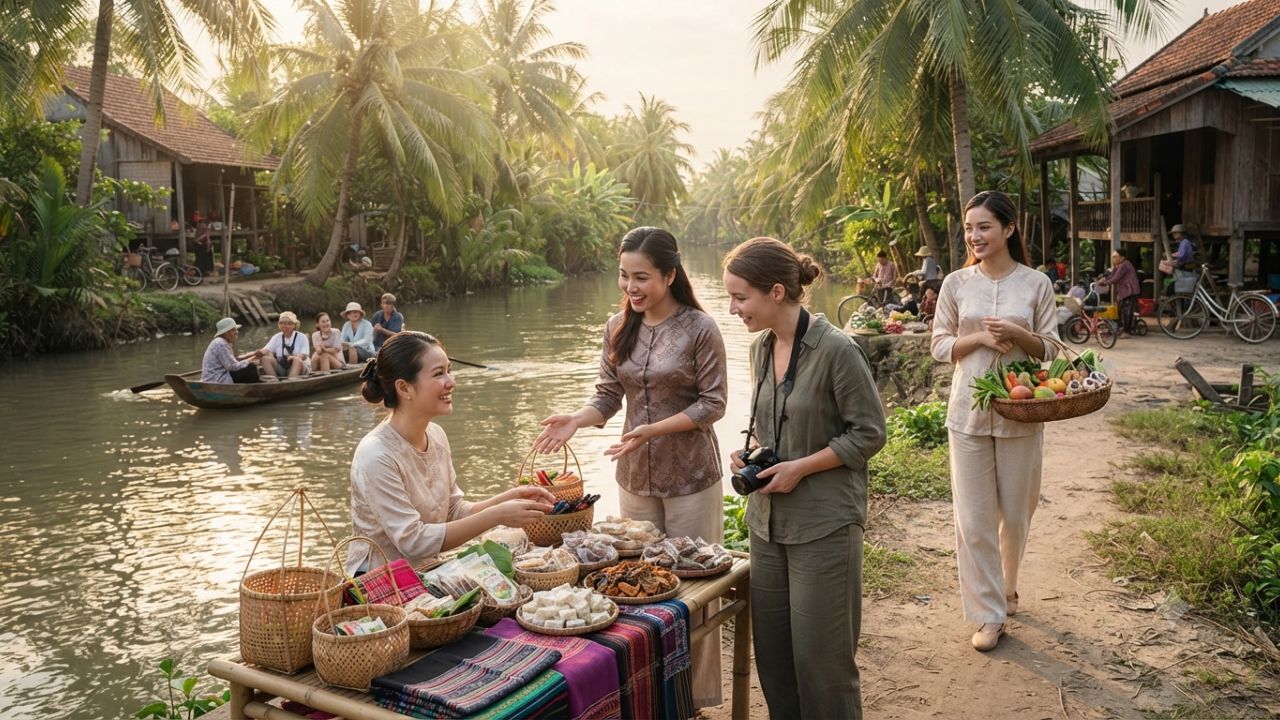
Community-based tourism initiatives across the Mekong Delta showcase Vietnam's traditional crafts and cultural heritage under Resolution 26-NQ/TW.
Vietnam is positioning its rich cultural heritage, community-based enterprises, and regional handicraft industries as the core drivers of national tourism development under Resolution 26-NQ/TW. Supported by more than 21,000 recognized One Commune One Product (O COP) initiatives recorded by June 2026, the country is executing a long-term strategic vision targeting 2045 to establish Vietnam as a premier global destination for sustainable cultural travel.
[HANOI] — Vietnam has unveiled an expanded national blueprint to elevate its travel sector from traditional sightseeing into an immersive, community-driven tourism economy. Anchored by the Politburo’s Resolution 26-NQ/TW—which designates tourism as a spearhead economic sector in the nation's new development phase—the strategy fuses cultural conservation with sustainable rural commerce across key regional hubs, including the Mekong Delta and Ca Mau province.
The national strategy establishes ambitious development milestones heading toward 2045. Rather than relying solely on high-volume coastal resort development, the government is incentivizing rural communes to convert agricultural traditions, indigenous crafts, and culinary heritage into high-value tourist experiences.
O COP Program Integration: Transforming Rural Products into Travel Attractions
A central pillar of Vietnam’s rural economic transformation is the One Commune One Product (O COP) initiative. Designed to boost rural incomes by certifying unique regional goods, the program has increasingly merged with community-based tourism to offer interactive cultural journeys.
Official government records show that by June 2026, Vietnam had certified over 21,000 O COP products nationwide. While agricultural and handicraft items comprise the majority of certifications, tourism-oriented O COP packages—such as guided heritage walks, traditional craft workshops, and eco-homestays—represent the fastest-growing sector of the initiative.
- Handicraft and Culinary Integration: Visitors interact directly with artisans producing traditional silk, ceramics, coconut crafts, and regional fish sauces.
- Storytelling and Authenticity: Certification criteria require products to convey the historical and environmental narrative of the originating commune.
- Direct Micro-Economy Revenue: Tourists purchase certified goods directly from rural producers, bypassing multi-tiered distribution networks and retaining capital within local villages.
| O COP Program Benchmark | June 2026 Recorded Status | Strategic Economic Objective |
|---|---|---|
| Nationwide Certified Products | Exceeds 21,000 products | Elevate rural product standards & export readiness |
| Primary Geographic Hub | Mekong Delta & Northern Highlands | Disperse visitor spending away from primary cities |
| Core Growth Segment | Community-Based O COP Tourism | Link agricultural goods with hands-on travel experiences |
| Target Horizon | Vision towards 2045 | Establish Vietnam as a global leader in responsible travel |
Mekong Delta Case Study: Regional Identity and Waterway Heritage
The Mekong Delta serves as Vietnam's primary laboratory for community-based cultural tourism. Famous for its intricate river networks, floating markets, coconut groves, and fruit orchards, the region is transitioning from raw agricultural production toward experiential hospitality.
Although provinces across the Delta share similar wetland topography, local authorities under Resolution 26-NQ/TW are encouraging each district to cultivate a distinct cultural identity:
Specialized District Identities
Provinces are avoiding duplicate tourist offerings by focusing on specialized local assets. For example, Ben Tre emphasizes coconut-based craft villages and eco-lodges; Can Tho leverages floating market heritage and river gastronomy; while An Giang highlights ethnic Cham weaving traditions and spiritual pilgrimage sites.
Preservation of Living Heritage
By converting everyday river livelihoods into guided travel itineraries, local communities earn supplementary income, which directly finances the preservation of historic wooden boats, traditional musical performances (Đờn ca tài tử), and historic canal infrastructure.
Reports from the Vietnam National Authority of Tourism highlight that community participation in tourism has increased household revenues across participating Mekong Delta communes by over 35 percent compared to traditional agriculture alone.
| Mekong Delta Province | Specialized Tourism Focus | Key Cultural Experience |
|---|---|---|
| Can Tho | Floating Market & Culinary | Cai Rang floating market tours & rice paper making |
| Ben Tre | Coconut Crafts & Eco-Lodging | Sustainable canal kayaking & coconut candy artisans |
| Ca Mau | Mangrove Conservation & Heritage | Coastal wetland ecology & traditional crab fisheries |
| An Giang | Ethnic Heritage & Pilgrimage | Cham village textile weaving & Sam Mountain culture |
Community-Based Tourism Models: Ca Mau’s Resource Transformation
In Ca Mau, Vietnam’s southernmost province, local authorities have demonstrated how traditional mangrove forestry and coastal aquaculture can be restructured into world-class eco-tourism products.
Ca Mau's initiative focuses on three core operational pillars:
- Community Ownership: Local residents directly manage homestays and guided mangrove tours, ensuring tourism decisions reflect community consensus and environmental limits.
- Market Accessibility: Improving rural transport links, digital booking connectivity, and multi-lingual signage to connect remote communes with international travel agents.
- Service Quality Standards: Training rural hospitality providers in food safety, environmental sanitation, and English language communication.
By embedding visitors within local household routines—such as nocturnal mangrove crab harvesting, eco-friendly shrimp farming, and traditional storytelling—Ca Mau has created high-yield travel models that actively protect the fragile coastal ecosystem.
| Tourism Development Pillar | Operational Strategy | Measurable Community Outcome |
|---|---|---|
| Community Ownership | Resident-led homestay cooperatives | Prevents corporate land displacement & retains local wealth |
| Environmental Conservation | Ecotourism revenue re-invested in mangroves | Preserves UNESCO Biosphere Reserve ecosystems |
| Quality Control | National O COP safety & service grading | Ensures high satisfaction for international visitors |
National Strategic Context: Resolution 26-NQ/TW and the 2045 Vision
Resolution 26-NQ/TW represents a fundamental shift in Vietnam’s macroeconomic policy, recognizing that long-term competitiveness in global tourism requires preserving the authentic cultural fabric that differentiates Vietnam from competing Southeast Asian destinations.
Supported by guidelines from the UNESCO World Heritage Centre, Vietnam is balancing rapid infrastructure investment—such as new expressways and international airport expansions—with strict cultural heritage protections.
Key strategic goals for Vietnam's 2045 tourism vision include:
- Global Brand Recognition: Establishing Vietnam as a top-3 tourism destination in Southeast Asia for authentic cultural experiences.
- Sustainable Dispersal: Directing 40 percent of total international visitors into rural and secondary cultural destinations.
- Zero-Waste Rural Tourism: Implementing plastic-free standards across all certified O COP tourism sites by 2030.
Actionable Guidance for Travelers Exploring Vietnam's Cultural Routes
Travelers seeking authentic cultural experiences in Vietnam should incorporate these guidelines into their trip planning:
- Book Certified O COP Homestays: Look for official O COP certification signs when booking rural accommodation in the Mekong Delta or Northern Highlands to ensure funds directly benefit local host families.
- Travel Beyond Primary Gateways: Take advantage of regional expressways connecting Ho Chi Minh City to deep Mekong Delta destinations like Ca Mau and Chau Doc.
- Respect Local Customs: When visiting traditional craft villages and religious monuments, follow community etiquette regarding dress codes, photography permissions, and eco-friendly waste disposal.
Frequently Asked Questions
What is Vietnam's O COP tourism program?
The One Commune One Product (O COP) program certifies unique local agricultural goods, handicrafts, and community-based tourism services, helping rural villages market authentic cultural experiences directly to travelers.
What is Resolution 26-NQ/TW in Vietnam tourism?
Resolution 26-NQ/TW is a strategic government policy that establishes tourism as a key economic engine for Vietnam, focusing on cultural heritage preservation, community empowerment, and sustainable innovation toward 2045.
How many O COP products exist in Vietnam?
As of June 2026, Vietnam has recognized over 21,000 O COP products nationwide, with an increasing percentage dedicated to community-based tourism and cultural experiences.
Why is the Mekong Delta important for Vietnam's tourism strategy?
The Mekong Delta serves as a model for community tourism, using its unique river networks, floating markets, and agricultural traditions to create sustainable travel experiences that preserve regional identity.
Related Travel Guides
Disclaimer
This article is for informational and educational purposes only. It does not constitute legal, financial, or professional advice. While we strive to provide accurate and up-to-date information, travel policies, regulations, and conditions change rapidly. Always verify information with official sources before making travel decisions. Nomad Lawyer makes no representations about the accuracy, reliability, completeness, or suitability of the information provided. Readers should consult qualified professionals for advice specific to their circumstances. The views expressed in this article are those of the author and do not necessarily reflect the views of Nomad Lawyer.
Kunal K Choudhary
Co-Founder & Contributor
A passionate traveller and tech enthusiast. Kunal contributes to the vision and growth of Nomad Lawyer, bringing fresh perspectives and driving the community forward.
Learn more about our team →