
VietJet Air Launches Nonstop Osaka Kansai to Da Nang Flights to Expand Japan-Vietnam Connectivity in 2026
VietJet Air has introduced direct service between Osaka Kansai and Da Nang, reducing travel time to five hours and providing a low-cost alternative for travelers visiting central Vietnam.

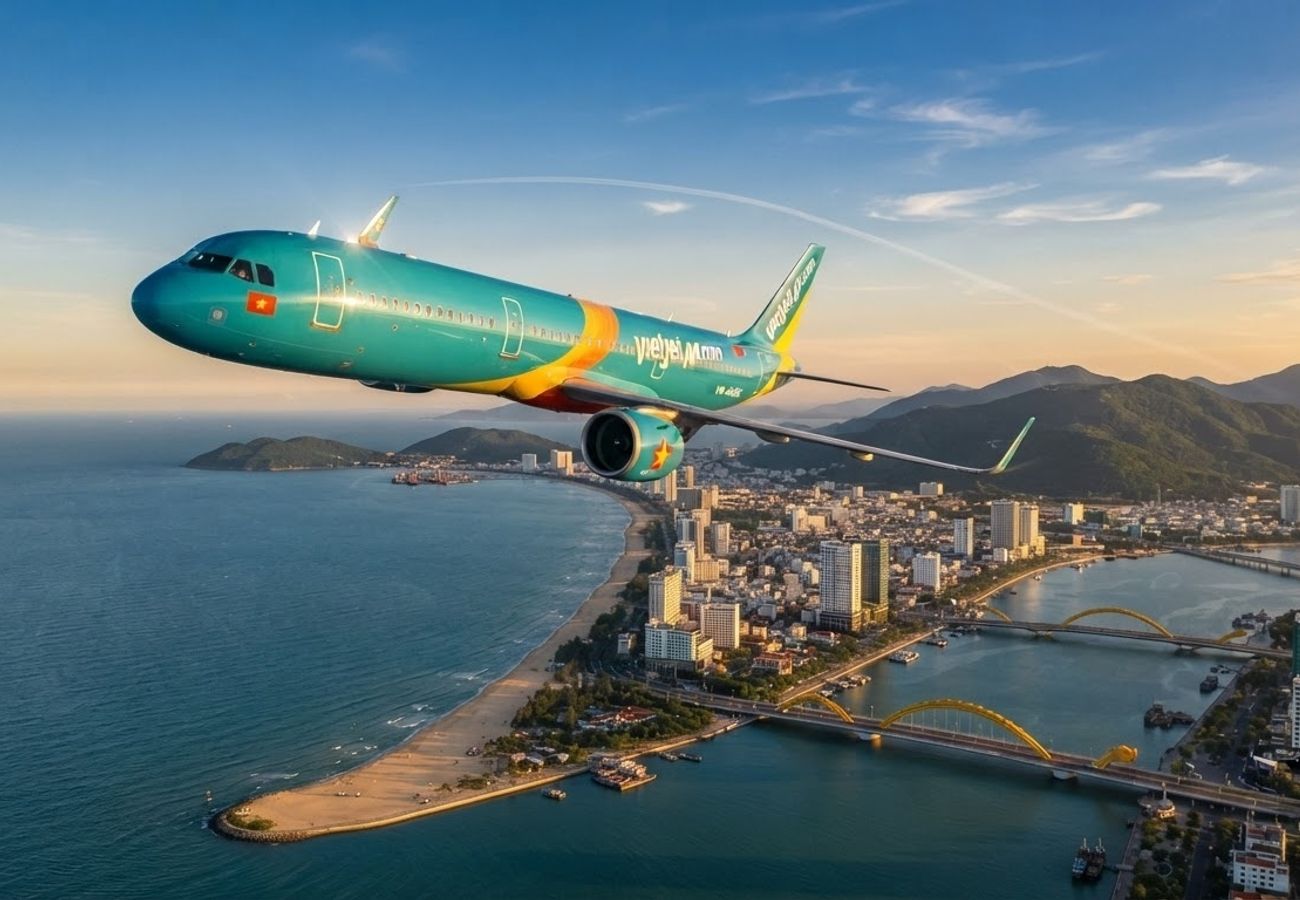
Image generated by AI
VietJet Air has officially launched nonstop flight operations between Osaka Kansai and Da Nang. This strategic expansion strengthens aviation links between Japan and central Vietnam, targeting a rebound in regional travel demand.
The new route connects Kansai International Airport directly with Da Nang International Airport. By introducing a low-cost carrier (LCC) option on this sector, VietJet Air is positioning itself to capture a growing segment of budget-conscious Japanese travelers and business professionals.
Route Specifications and Connectivity
The introduction of this service fundamentally alters the logistics for travelers moving between western Japan and central Vietnam.
- Flight Duration: Approximately five hours.
- Primary Hubs: Kansai International Airport (KIX) to Da Nang International Airport (DAD).
- Operational Impact: Eliminates the requirement for domestic transfers via Hanoi or Ho Chi Minh City.
- Market Position: Direct low-cost competition against existing full-service carriers.
Strategic Objectives for Central Vietnam
The route is designed to funnel traffic into Da Nang’s expanding tourism and business ecosystem. Market data indicates that Japan remains a primary source market for Vietnamese tourism. The new connectivity specifically supports access to:
- Leisure Hubs: Da Nang’s beachfronts, the UNESCO-listed Hoi An Ancient Town, and the imperial city of Hue.
- Business Corridors: Vietnam’s growing manufacturing sector in the central region.
- Infrastructure Growth: Support for Ba Na Hills and various high-end conference facilities.
Market Dynamics and Competitive Landscape
The entry of an LCC into the Osaka–Da Nang sector is expected to trigger immediate price volatility. Fare tracking typically indicates that budget airline expansion on leisure-heavy routes leads to more aggressive pricing strategies, particularly during peak holiday windows.
While leisure demand remains resilient, airline analysts note that yields on Japan–Southeast Asia routes are currently sensitive to three primary variables: fuel price fluctuations, currency volatility, and evolving visa policies.
Regional Aviation Impact
This launch is part of a broader trend of diversifying gateways into Vietnam. Da Nang is increasingly viewed as a viable alternative to the traditional hubs of Hanoi and Ho Chi Minh City. Recent route additions from South Korea, Malaysia, and India suggest a shift toward decentralized international arrivals.
For the aviation industry, the success of this route serves as a litmus test for VietJet Air’s international scaling strategy. Strong performance here may lead to further secondary-city pairings across Northeast Asia.
Route Comparison and Impact
| Feature | Previous Logistics | New VietJet Service |
|---|---|---|
| Transit Path | Via Hanoi or Ho Chi Minh City | Nonstop (Point-to-Point) |
| Travel Time | Variable (incl. layovers) | Approx. 5 Hours |
| Cost Tier | Primarily Full-Service | Low-Cost Carrier (LCC) |
| Primary Target | High-end/Business | Budget-conscious/Leisure/Corporate |
Why This Matters
From a logistical perspective, this route removes a significant friction point for travelers in the Kansai region. Previously, accessing central Vietnam required a "hub-and-spoke" journey through the north or south, adding hours to the itinerary and increasing costs.
Our analysis of the route map suggests that by bypassing the major hubs, VietJet is not just competing on price, but on time-efficiency. For the travel trade, this allows for the creation of tighter, more attractive package tours that focus specifically on the central coast, likely increasing the average length of stay as the "effort" to reach the destination decreases.
Industry Outlook
Expect a short-term dip in average fares on the Osaka–Vietnam corridor as full-service carriers respond to VietJet's pricing. Long-term, this connectivity will likely stimulate a reciprocal increase in outbound travel from Vietnam to Japan, specifically among younger demographics attracted to the cultural offerings of the Kansai region.
The shift toward secondary-city pairings signals a maturing Asian aviation market where point-to-point efficiency outweighs traditional hub dominance.
Related Travel Guides
Disclaimer
This article is for informational and educational purposes only. It does not constitute legal, financial, or professional advice. While we strive to provide accurate and up-to-date information, travel policies, regulations, and conditions change rapidly. Always verify information with official sources before making travel decisions. Nomad Lawyer makes no representations about the accuracy, reliability, completeness, or suitability of the information provided. Readers should consult qualified professionals for advice specific to their circumstances. The views expressed in this article are those of the author and do not necessarily reflect the views of Nomad Lawyer.
Kunal K Choudhary
Co-Founder & Contributor
A passionate traveller and tech enthusiast. Kunal contributes to the vision and growth of Nomad Lawyer, bringing fresh perspectives and driving the community forward.
Learn more about our team →