
Vermont and Virginia Tourism Comparison Reveals America’s Top Nature Heritage and Seasonal Travel Experiences in 2026
Vermont and Virginia Tourism Comparison Reveals America’s Top Nature Heritage and Seasonal Travel Experiences in 2026

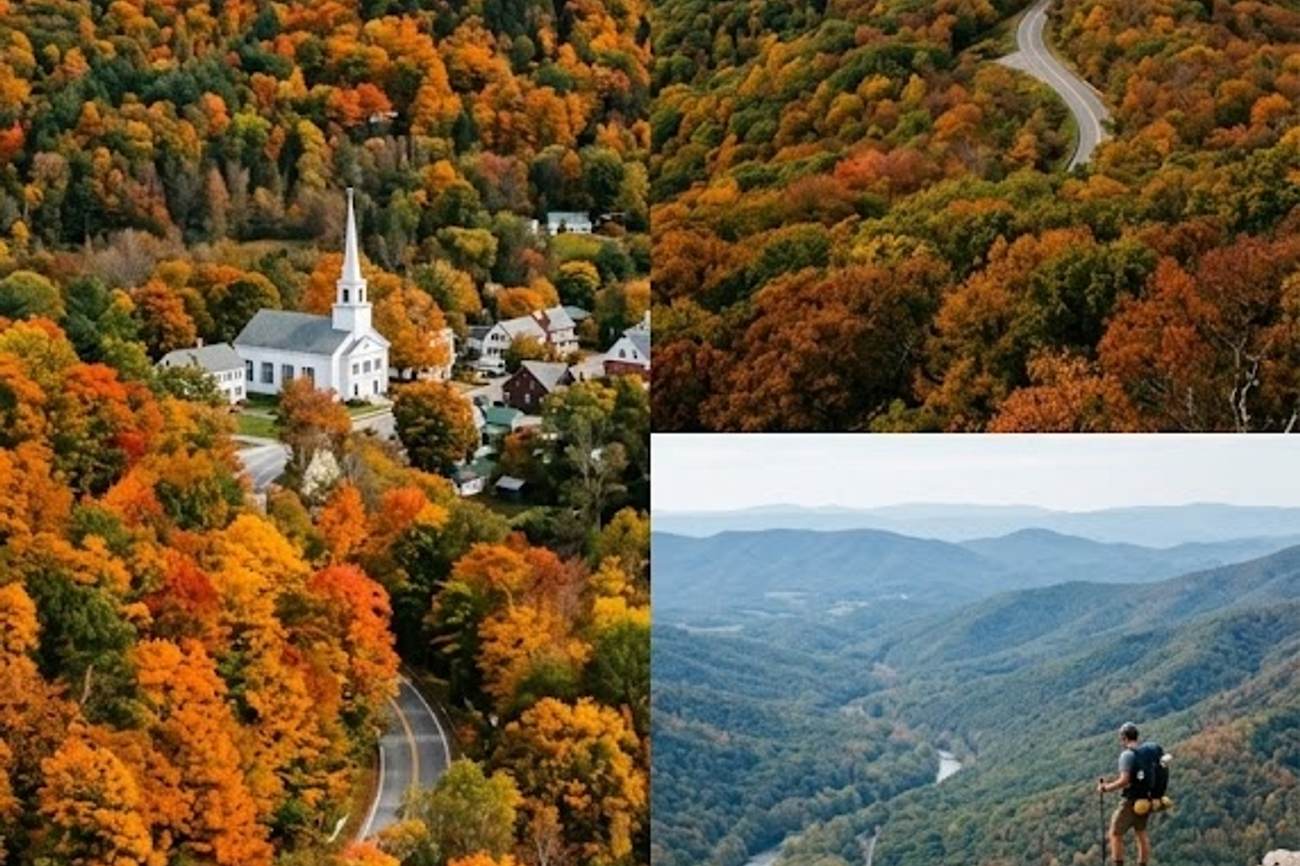
Image generated by AI
$98.7 billion in visitor spending within the state of Texas during 2025 underscores a massive shift toward high-volume, domestic-led tourism in the United States. While the sheer scale of Texas's economy dominates the numbers, a granular look at the 2025–2026 travel cycle reveals a fragmented reality: some states are thriving on domestic resilience, while others are reeling from geopolitical friction and climate instability.
The Divergence of State Tourism Identities
The current American travel market is no longer a monolith. Instead, it has split into specialized "tourism identities" that dictate how states react to economic shocks. Texas has positioned itself as the volume leader, leveraging a mix of corporate infrastructure and massive entertainment draws. This is a stark contrast to Utah, which operates as a niche adventure specialist, or Vermont, which functions as a seasonal, border-dependent sanctuary. Virginia occupies the middle ground, acting as a balanced all-rounder that captures a wide demographic of East Coast travelers.
The reliance on specific traveler profiles creates varying levels of risk. For example, Texas's dependence on major airport hubs and convention centers makes it a powerhouse for business travel, but as seen with the 2026 World Cup, it remains vulnerable to international visa bottlenecks. Meanwhile, Utah's heavy reliance on the "Mighty 5" national parks leaves its economy exposed to environmental fluctuations and federal land management policies.
Comparative Market Performance 2025–2026
The following data highlights the economic disparity between these four distinct tourism models. While spending is hitting record highs in several regions, the underlying visitation numbers tell a more complex story of "spending more but visiting less."
| State | 2025 Visitor Spending | Primary Growth Driver | Critical Vulnerability | Key Metric |
|---|---|---|---|---|
| Texas | $98.7 Billion | Business/Domestic Leisure | Visa Delays (International) | 62M travelers (2024) |
| Virginia | $36.2 Billion | Domestic Families/History | International Decline (-11.1%) | 46.6M overnight visitors |
| Utah | $13.7 Billion | Non-resident Adventure | Climate/Snowfall | Zion: 4.9M+ visits |
| Vermont | $4.2 Billion | Northeast Drive-in/Skiing | Canadian Border Flux | 16M visitors (2024) |
Expert Analysis: The "Domestic Pivot" and the Cost of Access
The most significant trend emerging from this data is the "Domestic Pivot." Across all four states, there is a clear pattern: international visitation is softening or declining, while domestic spending is reaching record peaks. In Virginia, for instance, leisure travel now accounts for 90% of overnight stays. In Utah, out-of-state and international visitors outspend locals by a ratio of more than four to one, yet national park visits actually fell by 4.5% in 2025.
For travelers, this shift creates a "crowding effect." As international numbers dip, domestic travelers are flooding the same high-value spots. We see this in Vermont, where some towns have been forced to restrict non-local traffic during peak foliage seasons to prevent total gridlock. This suggests that "overtourism" is no longer just a European problem; it is becoming a localized American issue in scenic corridors.
Furthermore, the data from the 2026 World Cup in Houston and Dallas-Arlington serves as a warning for future mega-events. Despite the prestige of the tournament, hotel bookings fell below expectations. The cause-and-effect is clear: rising travel costs and bureaucratic visa delays can neutralize the impact of a global event. When the International Air Transport Association (IATA) tracks global mobility, these frictions often manifest as "lost demand." For the traveler, this means that even during "off-peak" times, pricing may remain high because airlines and hotels are pricing for a projected international crowd that simply cannot get through customs.
Finally, the climate volatility in Utah and Vermont reveals a growing risk for the "Adventure Specialist" model. Poor snow levels in the western mountains acted as a direct headwind for Utah's ski industry. While Vermont saw a 4.7% year-over-year increase in skier visits (reaching 4.36 million), the instability of winter weather makes these states' GDPs precarious. Travelers booking these regions should expect higher "climate premiums" as resorts invest more in artificial snowmaking to guarantee a product.
Key Takeaways
- Texas is the Economic Engine: With $98.7 billion in spending and a massive 62 million visitor base in 2024, Texas is the primary destination for high-volume business and event travel.
- Border Sensitivity in the North: Vermont's tourism is dangerously tied to Canadian sentiment; a 31% drop in Canadian land travel in 2025 caused a nearly 50% crash in Canadian credit card spending during October.
- The National Park Paradox: Despite record spending ($13.7 billion) in Utah, actual visitation to national parks fell 4.5% and state parks fell 5.8%, suggesting a shift toward higher-spending, lower-volume luxury adventure.
- Virginia's Stability: Virginia is the most consistent growth market, marking its fourth straight year of spending increases, now totaling $36.2 billion.
- Event Volatility: The 2026 World Cup demonstrated that domestic demand can sustain a city, but international friction (visas/costs) can leave hotel capacity underutilized.
FAQ: US State Tourism 2026
Why are hotel prices still high in Texas if World Cup bookings were lower than expected? Pricing is often driven by domestic business travel and convention hubs. In 2025, the Houston metro alone hosted 730,000 meeting attendees, keeping occupancy high regardless of international sports tourism fluctuations.
Is it still a good time to visit Utah's National Parks? Yes, but be aware of the "Mighty 5" congestion. While overall visits fell slightly, Zion still attracts over 4.9 million people. Booking through official channels like the National Park Service is recommended to manage entry.
How has the Canadian border situation affected Vermont travel? Significantly. Canadian visitors, who make up over 30% of visits in northern counties, have sharply declined. This has specifically hurt the hockey and skiing business at resorts like Jay Peak, which saw a 25% drop.
What makes Virginia a "balanced" destination for families? Virginia offers a mix of high-density coastal areas (Virginia Beach), colonial heritage (Williamsburg), and nature (Shenandoah), making it a low-risk, high-variety choice for East Coast road-trippers.
The era of predictable tourism is over; the future belongs to the destinations that can pivot from international reliance to domestic loyalty.
Tags: Texas Tourism 2026, Utah National Parks, Vermont Ski Industry, Virginia Heritage Tourism, 2026 World Cup Travel, US Domestic Tourism Trends
Related Travel Guides
Disclaimer
This article is for informational and educational purposes only. It does not constitute legal, financial, or professional advice. While we strive to provide accurate and up-to-date information, travel policies, regulations, and conditions change rapidly. Always verify information with official sources before making travel decisions. Nomad Lawyer makes no representations about the accuracy, reliability, completeness, or suitability of the information provided. Readers should consult qualified professionals for advice specific to their circumstances. The views expressed in this article are those of the author and do not necessarily reflect the views of Nomad Lawyer.
Naina Thakur
Contributor & Travel Specialist
Travel enthusiast and legal writer covering visa regulations, responsible tourism, and cultural journeys across global destinations.
Learn more about our team →