
Uzbekistan and Kuwait Strengthen Tourism Corridor with Visa-Free Access and Expanded Direct Flight Networks to Drive Silk Road Travel: What Every Traveller Must Know
Uzbekistan and Kuwait expand their travel corridor through visa-free entry policies, direct flight routes to Tashkent and Namangan, and cultural partnerships.

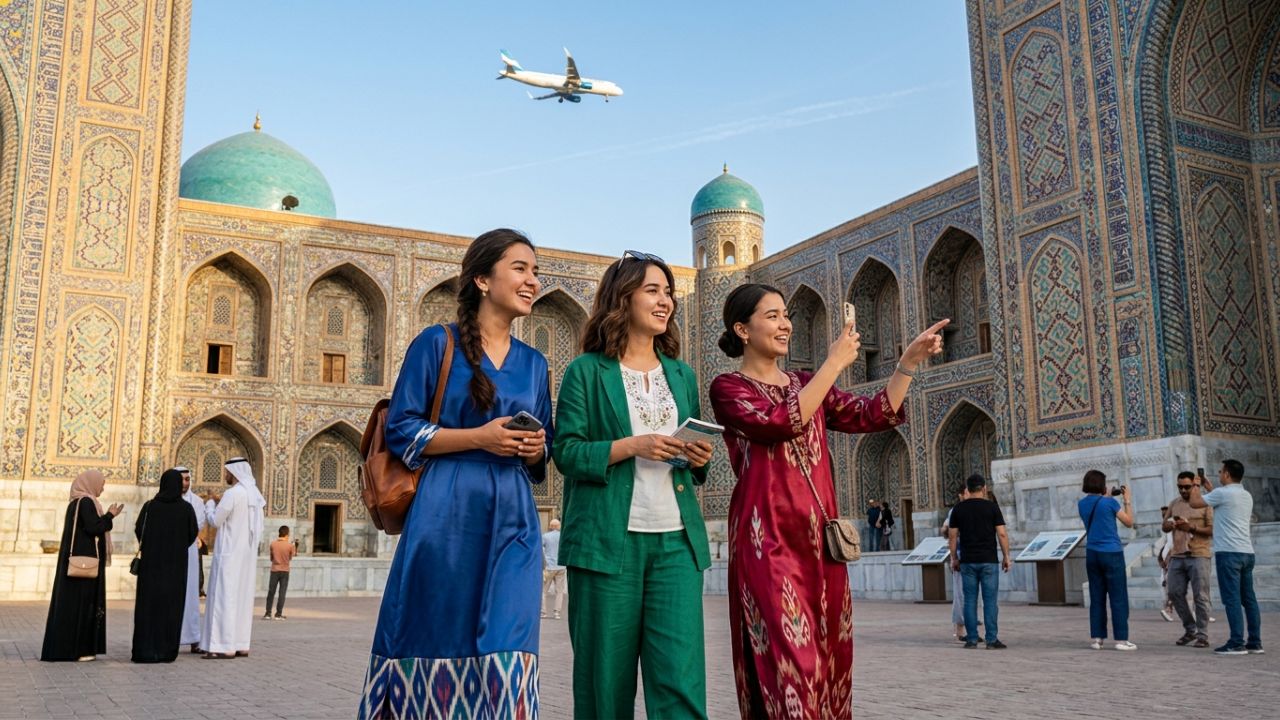
Image generated by AI
Published on June 22, 2026
A major policy shift is driving Uzbekistan tourism as simplified visa-free access and direct flight networks between Kuwait and key Uzbek cities dramatically reduce travel friction. Travelers from Kuwait and other GCC nations can now explore legendary Silk Road heritage destinations with minimal administrative steps and zero transit layovers. This bilateral connectivity establishes a key corridor between Central Asia and the Gulf, encouraging spontaneous cultural journeys and family vacations.
Quick Summary
- Visa-Free Access: Kuwaiti citizens can now enter Uzbekistan without a visa, enabling spontaneous, last-minute holiday planning.
- Direct Air Connections: Direct flights link Kuwait City directly to Tashkent and Namangan, cutting travel time and layovers.
- Surging Arrival Numbers: Recent figures show Kuwaiti arrivals have doubled to approximately 1,000 visitors in the latest recorded period.
- Rapid National Expansion: Uzbekistan has registered over 11 million international arrivals, supported by large-scale infrastructure investments.
The growing relationship between Uzbekistan and Kuwait is emerging as a dynamic travel corridor linking Central Asia with the Gulf. Once a niche connection, the route is expanding through targeted diplomatic agreements, expanded flight frequency, and rising outbound travel demand. For travelers, the combination of shared heritage and modernized travel systems offers a highly accessible and unique journey.
Bilateral strategies are actively removing traditional travel barriers to capture high-value outbound markets. Uzbekistan's strategy focuses on leveraging its rich Silk Road history while improving transportation and accommodation standards. This coordination ensures that rising visitor numbers are backed by quality hospitality services.
Event and Incident Details: Visa Reforms and Air Routes Propelling Uzbekistan Tourism
The expansion of Uzbekistan tourism from Kuwait is supported by key regulatory and logistics changes. The most important is the implementation of visa-free entry for Kuwaiti citizens, allowing spontaneous travel planning and shorter booking cycles. Additionally, direct flight networks now connect Kuwait with Tashkent, the nation's capital, and Namangan, a major cultural center.
These policy adjustments have led to a doubling of Kuwaiti arrivals, reaching approximately 1,000 tourists in the latest recorded period. While absolute numbers are emerging, the growth rate signals strong long-term potential. On a national level, Uzbekistan has welcomed over 11 million international arrivals, reflecting its global appeal. The table below details the current travel infrastructure and metrics of this growing corridor:
| Corridor Metric / Zone | Current Performance | Key Connectivity Hubs | Strategic Upgrades & Reforms |
|---|---|---|---|
| Bilateral Air Routes | Direct point-to-point flights | Kuwait City, Tashkent, Namangan | Layover elimination, flight frequency increases, route expansions. |
| Visa Policy Status | 100% Visa-Free Entry | All major border checkpoints | Zero administrative fees, no prior application required for GCC nationals. |
| Bilateral Arrivals | ~1,000 Kuwaiti visitors | Samarkand, Bukhara, Khiva | Doubled growth rate compared to prior periods, high-value spending. |
| National Tourism Scale | 11M+ international arrivals | Historic Silk Road corridor | Airport expansions, rail connectivity, heritage site restoration. |
Risk and Impact: Challenges in Managing Rapid Tourism Expansion
While the growth in arrivals is positive, both travelers and local operators face several administrative and logistical challenges:
- Language Barriers: Communication in English and Arabic is limited in rural provinces, requiring guide services.
- Heritage Capacity Caps: Popular monuments in Samarkand and Bukhara face overcrowding during peak seasons.
- Hospitality Training Gaps: Local operators must quickly adapt to meet the service expectations of high-spending Gulf visitors.
- Logistics Constraints: Regional transport links between ancient cities require advanced reservations during busy months.
- Flight Schedule Dependencies: The reliance on specific direct flight frequencies limits alternative routing if delays occur.
What Authorities and Diplomatic Bodies Are Saying
Bilateral authorities emphasize that this travel corridor is built on structured, long-term cooperation. Tourism boards and embassies from both nations have launched joint forums, embassy-led promotional campaigns, and travel trade partnerships. Government representatives note that these coordination efforts ensure that growth remains sustainable and mutually beneficial.
To sustain this growth, diplomatic bodies are organizing familiarization trips for Kuwaiti travel agents and media representatives. This approach moves beyond organic growth, establishing a reliable business-to-business pipeline. Authorities are also encouraging private tour operators to develop customized packages tailored specifically for Gulf families.
Practical Traveler Advice Section
Travelers planning a journey between Kuwait and Uzbekistan should consider these recommendations:
- Choose Direct Flights: Book direct routes to Tashkent or Namangan to avoid long layovers in transit hubs.
- Hire Licensed Guides: Secure local guides in Samarkand and Bukhara to navigate language differences and rich history.
- Book Regional Trains Early: Use the high-speed Afrosiyob train system; tickets sell out weeks in advance.
- Select Structured Packages: Look for curated itineraries that include boutique hotel stays, airport transfers, and cultural tours.
- Respect Cultural Norms: Dress modestly when visiting active mosques and spiritual monuments along the Silk Road.
Broader Context Section: The Future of Uzbekistan Tourism and Silk Road Heritage
The expanding travel bridge highlights the global appeal of Uzbekistan's ancestral heritage. The ancient cities of Samarkand, Bukhara, and Khiva feature UNESCO-listed Islamic architecture, historic trade markets, and historic structures. For Kuwaiti travelers, the shared religious and cultural heritage creates a sense of comfort, while offering a fresh alternative to traditional European travel routes.
At the same time, the outbound travel market in Kuwait is expanding, driven by rising disposable incomes and a preference for experiential travel. Uzbekistan's ability to offer historic depth, family-friendly security, and short flight times positions it well to capture this demand. The corridor sets a precedent for regional integration between Central Asia and the GCC.
What to Expect Next / Looking Ahead
Looking ahead, airlines are expected to increase flight frequencies and introduce routes to other historic cities like Samarkand. Private agencies will continue to expand custom tour packages that combine history, culinary arts, and mountain excursions. With national infrastructure modernizations ongoing, Uzbekistan is well-positioned to become a premier destination for Gulf travelers.
Conclusion
In conclusion, the simplified visa policies and direct flights have successfully accelerated Uzbekistan tourism in the Gulf region. While travelers must navigate local language differences and book transit in advance, the destination offers an authentic and accessible Silk Road experience. By booking travel packages early, visitors can enjoy a seamless exploration of these historic trade routes.
Related Travel Guides
The 10 Best Tourist Spots in Hanoi, According To Reddit
Disclaimer: Travel guidelines, visa-free access rules for GCC nationals, flight schedules, and entry requirements to heritage sites can change. Verify all entry requirements and flight statuses directly with official consulates and airlines before departure.
FAQ: Uzbekistan Tourism and the Kuwait Travel Corridor
Do Kuwaiti citizens need a visa to enter Uzbekistan?
No, Kuwaiti citizens and other GCC nationals enjoy visa-free entry to Uzbekistan, allowing them to enter without prior visa applications.
What are the direct flight options between Kuwait and Uzbekistan?
Direct point-to-point flights connect Kuwait City with major Uzbek urban centers, specifically Tashkent and Namangan, significantly reducing travel time.
Which historical Silk Road cities are popular for Kuwaiti travelers?
Samarkand, Bukhara, and Khiva are the most popular destinations, offering ancient Islamic architecture, UNESCO heritage sites, and traditional markets.
What is the current scale of international tourism in Uzbekistan?
Uzbekistan has recorded over 11 million international arrivals recently, driven by national aviation expansions, hotel developments, and global branding.
What travel packages are available for Gulf visitors?
Tour operators offer curated packages that include guided Silk Road heritage tours, homestays, culinary experiences, and scenic mountain excursions.
Disclaimer
This article is for informational and educational purposes only. It does not constitute legal, financial, or professional advice. While we strive to provide accurate and up-to-date information, travel policies, regulations, and conditions change rapidly. Always verify information with official sources before making travel decisions. Nomad Lawyer makes no representations about the accuracy, reliability, completeness, or suitability of the information provided. Readers should consult qualified professionals for advice specific to their circumstances. The views expressed in this article are those of the author and do not necessarily reflect the views of Nomad Lawyer.
Kunal K Choudhary
Co-Founder & Contributor
A passionate traveller and tech enthusiast. Kunal contributes to the vision and growth of Nomad Lawyer, bringing fresh perspectives and driving the community forward.
Learn more about our team →