
Uzbekistan Outbound Travel Rises 45% Driven by Regional Mobility
Uzbekistan records a 45% surge in outbound international travel for the January-July period, with travelers expanding regional trips and Middle East journeys.

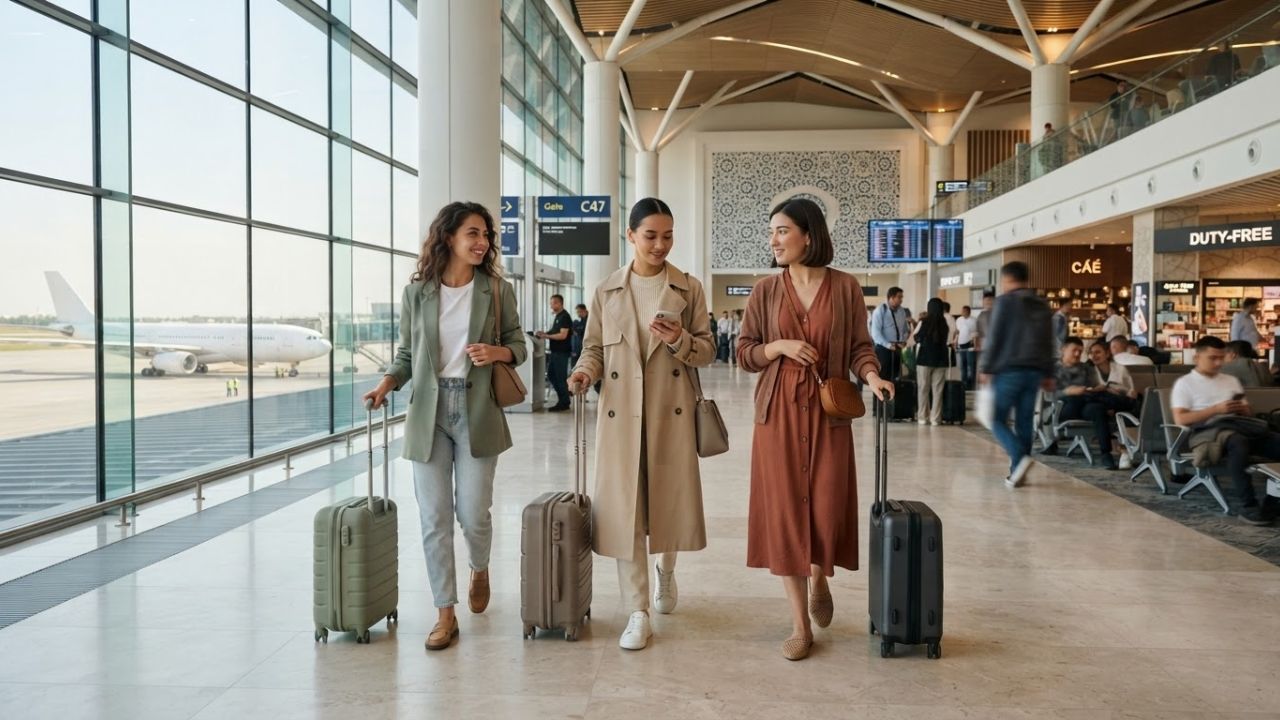
Image generated by AI
Uzbekistan’s outbound travel segment recorded an increase of over 45 per cent in international journeys during the January–July period, driven by regional cross-border mobility and expanding flight connections to the Middle East and Asia.
The Local Trend Revealed: Regional Mobility and Transit Expansion
Uzbekistan’s transborder travel market is experiencing rapid expansion. According to the latest figures from the National Statistics Committee, Uzbek citizens are travel planning beyond domestic borders at record rates. During the January–July period, outbound travel surged by over 45 per cent compared to the previous year. While geographical proximity, cultural connections, and established transport links ensure that neighboring Central Asian countries remain the primary destinations, travelers are increasingly exploring destinations across the Middle East and Asia.
Kyrgyzstan emerged as the most visited international destination, registering 1,981,542 trips from Uzbekistan during the first seven months of the year, driven by outdoor recreation, scenic mountain ranges, and easy land border crossings. Kazakhstan ranked as the second most popular market with 805,437 visitors, supported by trade and business travel, while Tajikistan followed with 744,974 trips, built on shared Silk Road historical links. Outside the immediate region, Russia welcomed 222,605 Uzbek visitors, maintaining long-standing social and economic ties.
Uzbekistan Outbound Tourism Indicators and Main Destinations (2026)
| Target Destination / Market | Recorded Inbound Trips (Jan–July) | Growth and Travel Drivers | Border Connectivity |
|---|---|---|---|
| Kyrgyzstan | 1,981,542 trips | Mountain recreation and outdoor leisure | Land crossings and road transit |
| Kazakhstan | 805,437 visitors | Business travel, metropolitan shopping, and trade | Shared border road and rail networks |
| Tajikistan | 744,974 trips | Shared historical heritage and family visits | Regional passenger auto links |
| Russia | 222,605 visits | Employment, higher education, and family ties | Direct air corridors from Tashkent |
| Saudi Arabia | 167,337 trips | Religious pilgrimage and pilgrimage tourism | Improved direct flight networks |
| Türkiye | 166,893 visits | Coastal holiday resorts and heritage shopping | Daily direct flights to Istanbul |
Cultural & Environmental Value: Silk Road Cross-Border Integration
For the traveler, the real impact of this outbound surge is the development of a highly integrated Central Asian travel corridor. By promoting regional tourism rather than isolated national journeys, travelers contribute directly to the economic integration of border communities.
Mapped in coordination with the National Statistics Committee and regional ministries, this cross-border flow supports local family-owned guesthouses, private transport networks, and minority cultural guides in Kyrgyzstan and Tajikistan, preserving shared Silk Road history. Utilizing rail networks and overland road crossings instead of short-haul flights also represents a more sustainable choice, minimizing the carbon footprint of regional transit.
This diversification is also shifting travelers to long-haul destinations. The United Arab Emirates welcomed 47,020 Uzbek citizens seeking modern urban experiences, while China received 43,581 travelers due to expanding business relations and eased entry requirements. Egypt recorded 32,470 trips to Red Sea resorts, and Vietnam welcomed 28,224 visitors, showing rising demand for Southeast Asian coastal destinations.
Destination Specialist Local Insider Tips
To help you plan a trans-Central Asian journey comfortably and navigate border crossings efficiently, travel specialists suggest the following tips:
- Travel in the Shoulder Months: Schedule your mountain journeys to Issyk-Kul in Kyrgyzstan or the Pamir region in Tajikistan during May to June or September to October to secure better rates at local guesthouses.
- Savor Traditional Border Palov and Beshbarmak: Experience regional Silk Road gastronomy. Try authentic Uzbek Palov (rice cooked with lamb and spices) in border towns, or sample Beshbarmak (boiled meat over flat noodles) in Kyrgyzstan.
- Carry Physical Visa Documentation: When crossing land borders between Uzbekistan, Kyrgyzstan, and Tajikistan, carry printed copies of your passport and electronic visas to expedite processing at checkpoint controls.
- Observe Sacred Site Etiquette: When visiting religious landmarks in Saudi Arabia or historic mosques in Türkiye, ensure shoulders and knees are fully covered, and dress modestly.
- Explore Northern Tajikistan's Silk Road Ruins: Visit the ancient, under-the-radar ruins of Panjakent in northern Tajikistan to experience historic Sogdian architecture away from major tour crowds.
Long-Term Outlook: Diversification and Aviation Corridors
The long-term outlook for Uzbekistan’s travel sector is shaped by its transition into a key outbound corridor for Central Asia. As airline networks and flight frequencies continue to expand, destinations in East Asia and the Middle East will capture a larger share of Uzbek visitors. By prioritizing sustainable transborder transit, simplifying passport regulations, and supporting community-based tour operators, the region is positioned to build a balanced, resilient visitor economy.
Related Travel Guides
Disclaimer
This article is for informational and educational purposes only. It does not constitute legal, financial, or professional advice. While we strive to provide accurate and up-to-date information, travel policies, regulations, and conditions change rapidly. Always verify information with official sources before making travel decisions. Nomad Lawyer makes no representations about the accuracy, reliability, completeness, or suitability of the information provided. Readers should consult qualified professionals for advice specific to their circumstances. The views expressed in this article are those of the author and do not necessarily reflect the views of Nomad Lawyer.
Preeti Gunjan
Contributor & Community Manager
A passionate traveller and community builder. Preeti helps grow the Nomad Lawyer community, fostering engagement and bringing the reader experience to life.
Learn more about our team →