
US Small Towns Record Significant Growth in Tourism Economies
Small destinations across the United States, including Estes Park, Galena, and Sedona, leverage regional heritage and nature to build high-yield visitor economies.
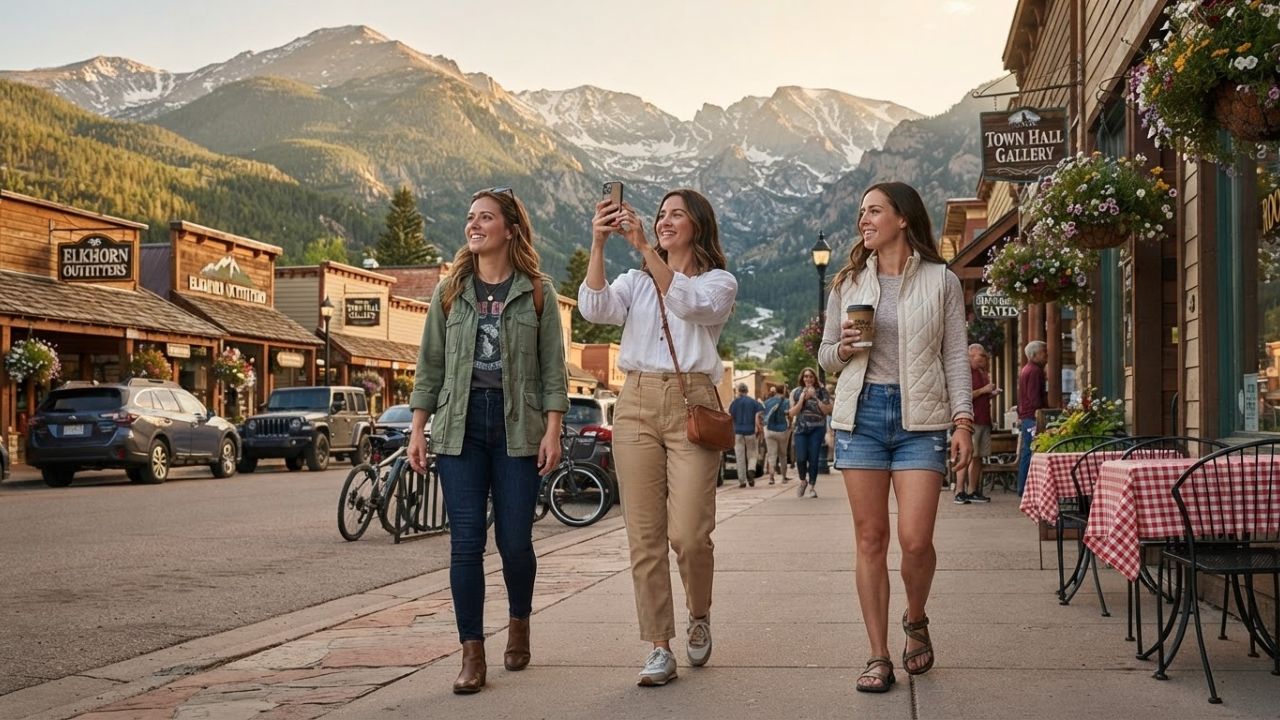
Image generated by AI
Leveraging historic districts, natural settings, and regional heritage to build high-yield visitor economies, small towns across the United States are recording a major surge in tourism revenues.
Destinations with modest populations, such as Hartford in Vermont, Estes Park in Colorado, Galena in Illinois, Fredericksburg in Texas, and Sedona in Arizona, are emerging as primary travel alternatives to major metropolitan hubs. By focusing on historic preservation, local culinary scenes, and outdoor recreation, these communities capture significant visitor spending that directly funds municipal services and supports regional jobs. As travelers increasingly seek experiential trips outside of major urban corridors, managing visitor flows has become a central focus for local municipal planning departments.
The Local Trend Revealed: Heritage and Nature as Economic Drivers
The growth of small-town tourism highlights a shifting travel trend where visitors prioritize distinct local identities, outdoor recreation, and community heritage over high-density commercial attractions. Rather than relying on large-scale infrastructure investments, these destinations convert their geographic assets—such as mountain settings, historic main streets, and regional vineyards—into economic value. This model supports a diverse range of local businesses, including boutique lodging providers, artisanal shops, and independent restaurants.
The coordinate tracking of these regional travel economies is managed by national advocacy groups like the U.S. Travel Association, which monitors travel spending patterns and local economic development. For gateway towns like Estes Park, adjacent to major national parks, visitor spending serves as the primary driver of municipal sales-tax revenues. According to regional tourism guidelines from the Colorado Tourism Office, integrating outdoor recreation with town services helps distribute economic benefits throughout the year, protecting communities from seasonal downturns.
Small-Town Economic Performance and Tourism Metrics
The economic impact of tourism across these small destinations reflects different business models, ranging from natural gateways to historic preservation hubs. These programs rely on local tax structures to fund community services.
The following table details the visitor volumes, economic contributions, and local employment statistics for the primary small-town destinations:
| Destination Town | Primary Tourism Appeal | Direct Visitor Spending | Local Tax Revenue Generated | Jobs Supported by Tourism |
|---|---|---|---|---|
| Estes Park (CO) | Mountain gateway, outdoor recreation | $510.8 million (2024) | $29.0 million | 3,419 local jobs |
| Galena (IL) | Historic preservation, architecture | $333.2 million | $19.7 million | Around 3,000 jobs |
| Sedona (AZ) | Red-rock scenery, wellness retreats | $248.0 million (Jan-Nov 2025) | Verified via city data | Multi-sector employment |
| Fredericksburg (TX) | Hill Country wineries, German heritage | $175.0 million (2024) | $17.0 million | About 1,200 jobs |
| Hartford (VT) | Five-village structure, Quechee Gorge | 200,000 annual gorge visitors | Supports regional commerce | Multi-sector employment |
The Sedona credit card spending metric of $248.0 million excludes lodging expenditures from the category-share calculation.
Small-Town Tourism Models and Key Features
Hartford, Vermont, utilizes its unusual five-village structure (Quechee, White River Junction, Wilder, Hartford, and West Hartford) to offer different travel styles within a single town boundary. Quechee Gorge acts as a primary nature attraction, drawing 200,000 visitors annually, while White River Junction provides a historic rail corridor focused on arts and theater. This layout ensures that visitor spending is spread across different neighborhoods, reducing the environmental impact on any single location.
In the Midwest, Galena, Illinois, has focused its visitor economy on historic preservation, with its walkable center featuring 19th-century brick architecture and independent merchants. This strategy demonstrates that preserving community character can be more lucrative than modern commercial development, generating $554 million in total economic impact. Similarly, Fredericksburg, Texas, combines its German-American heritage with a growing wine tourism sector, attracting travelers who visit regional tasting rooms and support boutique bed-and-breakfasts.
Community Stewardship and Sustainable Visitor Management
For the visitor, the real impact is the opportunity to practice community stewardship by selecting travel habits that protect local resources and support regional families. In highly visited destinations like Sedona, where credit-card spending rose by 4.6% to reach $248 million, local authorities emphasize the importance of managing trail congestion and protecting delicate red-rock environments.
Direct support of these conservation goals is vital to maintaining the appeal of the destination. Travelers are encouraged to utilize public transit systems, such as the Sedona Shuttle, to reach popular trailheads, reducing emissions and parking congestion in residential areas. Sponsoring local craft markets, dining at farm-to-table restaurants, and booking stays with certified sustainable lodging operators ensures that tourism revenues directly fund environmental protection and park maintenance.
Sustainable Travel Tips for Small-Town Visitors
Travelers exploring these small destinations can optimize their transit and support the local communities using these practical recommendations:
- Choosing Off-Peak Visit Windows: Visit popular attractions like Quechee Gorge in Hartford or the historic main street in Galena during weekday mornings to avoid weekend tourist traffic.
- Respecting Trail Etiquette: When hiking in mountain areas like Estes Park or Sedona, stick strictly to marked trails and pack out all trash to protect native wildlife and vegetation.
- Supporting Local Vineyards: Explore the Texas Hill Country wineries near Fredericksburg using certified regional tour operators, which supports local wine growers and ensures safe transit.
- Under-the-Radar Spot: Visit the historic rail depot in White River Junction, Vermont, to explore local art galleries and vintage bookstores situated in a preserved industrial setting.
Key Takeaways
- Economic Boom: Small US towns are generating hundreds of millions of dollars in visitor spending, led by Estes Park ($510.8 million) and Galena ($333.2 million).
- Tax Contribution: Tourism funds a major portion of local services, contributing $29 million in taxes in Estes Park and $19.7 million in Galena.
- Diversified Appeals: Success is driven by unique local identities, including Vermont's villages, Illinois' history, and Texas' wine country.
- Stewardship Focus: Sustainable transit options and local purchasing help preserve community character in high-growth destinations.
FAQ
How does tourism support municipal services in Estes Park?
Tourism spending contributes 82% of Estes Park's sales-tax revenue, providing critical funding for local road maintenance, emergency services, and community parks.
What is the primary tourism driver in Fredericksburg, Texas?
The town combines its historic German heritage with the Texas Hill Country wine sector, attracting visitors to regional wineries, boutique shops, and festivals.
How can travelers avoid crowds in Sedona, Arizona?
Travelers should check trailhead parking statuses online, utilize the free Sedona Shuttle system, and plan hikes during early morning or late afternoon hours.
Related Travel Guides
Disclaimer
This article is for informational and educational purposes only. It does not constitute legal, financial, or professional advice. While we strive to provide accurate and up-to-date information, travel policies, regulations, and conditions change rapidly. Always verify information with official sources before making travel decisions. Nomad Lawyer makes no representations about the accuracy, reliability, completeness, or suitability of the information provided. Readers should consult qualified professionals for advice specific to their circumstances. The views expressed in this article are those of the author and do not necessarily reflect the views of Nomad Lawyer.