
US Launches Online Visa Fraud Reporting Portal to Strengthen Immigration Security and Protect Travel System
US Launches Online Visa Fraud Reporting Portal to Strengthen Immigration Security and Protect Travel System

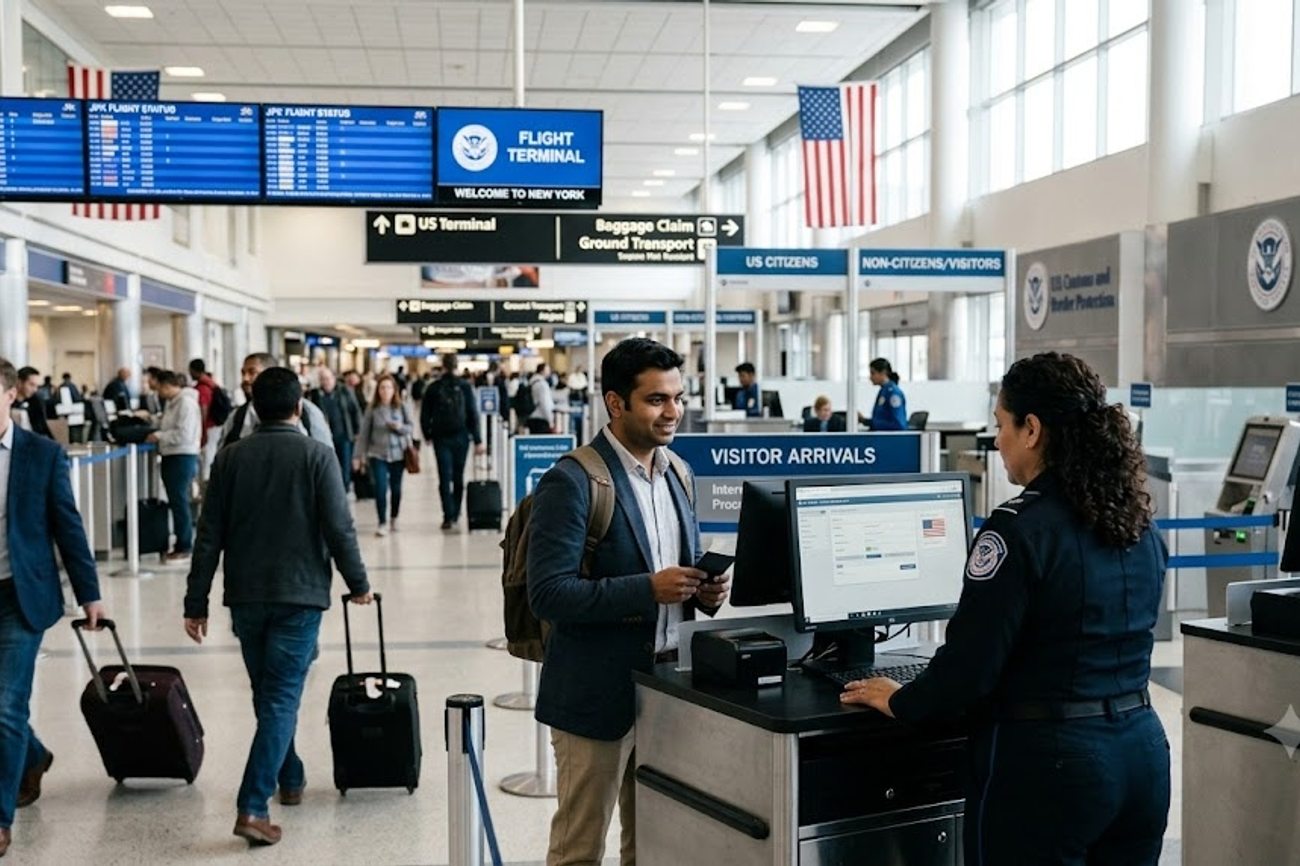
Image generated by AI
[Washington, D.C., October 2024] — The United States government has launched a dedicated digital portal for reporting visa fraud, establishing a direct online pipeline for the public to alert authorities about the misuse of the American immigration system.
The new platform allows individuals to submit tips regarding fraudulent visa applications, the submission of forged documentation, and the violation of terms associated with already approved visas. By centralizing these reports, the U.S. government aims to tighten oversight of its border security and immigration frameworks while ensuring that legitimate travel remains streamlined for students, workers, and tourists.
Digital Offensive Against Immigration Fraud
The deployment of this portal marks a shift toward digital-first enforcement for the U.S. Department of State and other immigration agencies. Previously, reports of visa misuse were fragmented across various government channels, often requiring different submission methods depending on the specific nature of the violation. The new system consolidates these pathways into a single, accessible interface.
The primary objective is to enhance the integrity of the U.S. visa system by crowdsourcing intelligence. By providing a structured way for the public to report suspicious activity, the government can more efficiently identify patterns of fraud and launch targeted investigations. This move comes as international travel volumes surge, placing increased pressure on consular officers to vet millions of annual applications.
Scope of Reporting and Affected Parties
The portal is designed to capture a wide spectrum of immigration violations. While the system is an enforcement tool, its reach extends to several key demographics and categories of travel:
- Visa Applicants: Reports can be filed regarding the use of "guaranteed" approval schemes or the submission of falsified financial and professional records.
- Approved Visa Holders: Authorities are seeking information on individuals who enter the U.S. on one visa category (such as a B-1/B-2 tourist visa) but engage in activities reserved for others (such as unauthorized employment).
- Third-Party Facilitators: The system targets "visa consultants" or unofficial agents who encourage applicants to provide false information or charge illegal fees for fraudulent documentation.
- Educational and Corporate Sponsors: Institutions that may be complicit in issuing fraudulent supporting documents for students or workers are now under increased scrutiny.
What This Means for Travelers
For the vast majority of international travelers, this update does not change the daily mechanics of applying for or using a U.S. visa. However, it fundamentally changes the risk profile for those utilizing unofficial channels.
Passenger Impact Assessment:
- Zero Change for Lawful Travelers: If you are applying through official U.S. Embassy or Consulate channels and providing truthful data, your application process remains unchanged.
- Increased Risk for "Gray Market" Users: Travelers who have used third-party agents to "massage" their applications or provide forged bank statements are now at a higher risk of detection. The anonymous reporting feature means that former associates, disgruntled employees, or competitors can now alert the government without revealing their identity.
- Heightened Scrutiny on Visa Terms: Travelers must strictly adhere to the conditions of their specific visa. Using a tourist visa to conduct business or a student visa to work full-time is now easier for the public to report, which could lead to immediate visa revocation and permanent bans from the U.S.
- Verification Rigor: Expect consular officers to be more rigorous during interviews, as they now have a centralized database of public tips to cross-reference against applicant claims.
Enforcement Integration and Next Steps
The reporting portal does not operate in a vacuum; it is an additive layer to existing security protocols. Tips submitted through the portal will be integrated into the broader screening process, which already includes biometric data collection, background checks, and security assessments managed by the Department of Homeland Security (DHS).
Once a report is submitted, it undergoes a review process to determine its credibility. Validated tips can trigger audits of visa files, requests for additional evidence from the applicant, or the initiation of formal investigations by immigration enforcement officers.
The government intends to use the data gathered from this portal to identify "fraud hotspots"—specific regions or agencies that are producing a high volume of fraudulent applications. This will likely lead to increased scrutiny for applicants originating from those specific areas in the coming months.
FAQ: US Visa Fraud Reporting 2024
Can I report visa fraud anonymously? Yes. The portal includes a specific option for anonymous submissions, allowing individuals to provide information about immigration misuse without disclosing their personal identity to the authorities.
Will this make it harder for legitimate tourists to get a visa? No. The system is designed to target fraudulent activity. Legitimate applicants who follow official procedures and provide honest documentation will not experience any change in the application process.
What happens if someone reports me falsely? The U.S. government reviews all tips for credibility. However, providing intentionally false information to government authorities is a serious offense and can lead to legal consequences for the reporter.
Does this portal apply to all visa types? Yes. The system accepts reports regarding any U.S. visa category, including non-immigrant visas (tourism, business, study) and immigrant visas.
The digital wall is getting higher for those attempting to game the system.
#USVisaFraud #USCIS #VisaSecurity #USDepartmentOfState #ImmigrationEnforcement #TravelCompliance2024
Related Travel Guides
- Vietnam Airlines Partners With Visa and AWS: AI and Digital Payment Travel Guide to Vietnam in 2026
- United Airlines Takes Delivery of Airbus A321XLR: Transatlantic Point-to-Point Travel Guide 2026
- Egypt Joins Morocco and Others as African Aviation Hubs Expand Global Links Supporting Tourism Growth in 2026
Disclaimer
This article is for informational and educational purposes only. It does not constitute legal, financial, or professional advice. While we strive to provide accurate and up-to-date information, travel policies, regulations, and conditions change rapidly. Always verify information with official sources before making travel decisions. Nomad Lawyer makes no representations about the accuracy, reliability, completeness, or suitability of the information provided. Readers should consult qualified professionals for advice specific to their circumstances. The views expressed in this article are those of the author and do not necessarily reflect the views of Nomad Lawyer.
Raushan Kumar
Founder & Lead Developer
Full-stack developer with 11+ years of experience and a passionate traveller. Raushan built Nomad Lawyer from the ground up with a vision to create the best travel and law experience on the web.
Learn more about our team →