US Jet Fuel Crisis: Spirit Airlines Shuts Down, Budget Airline Future in Doubt

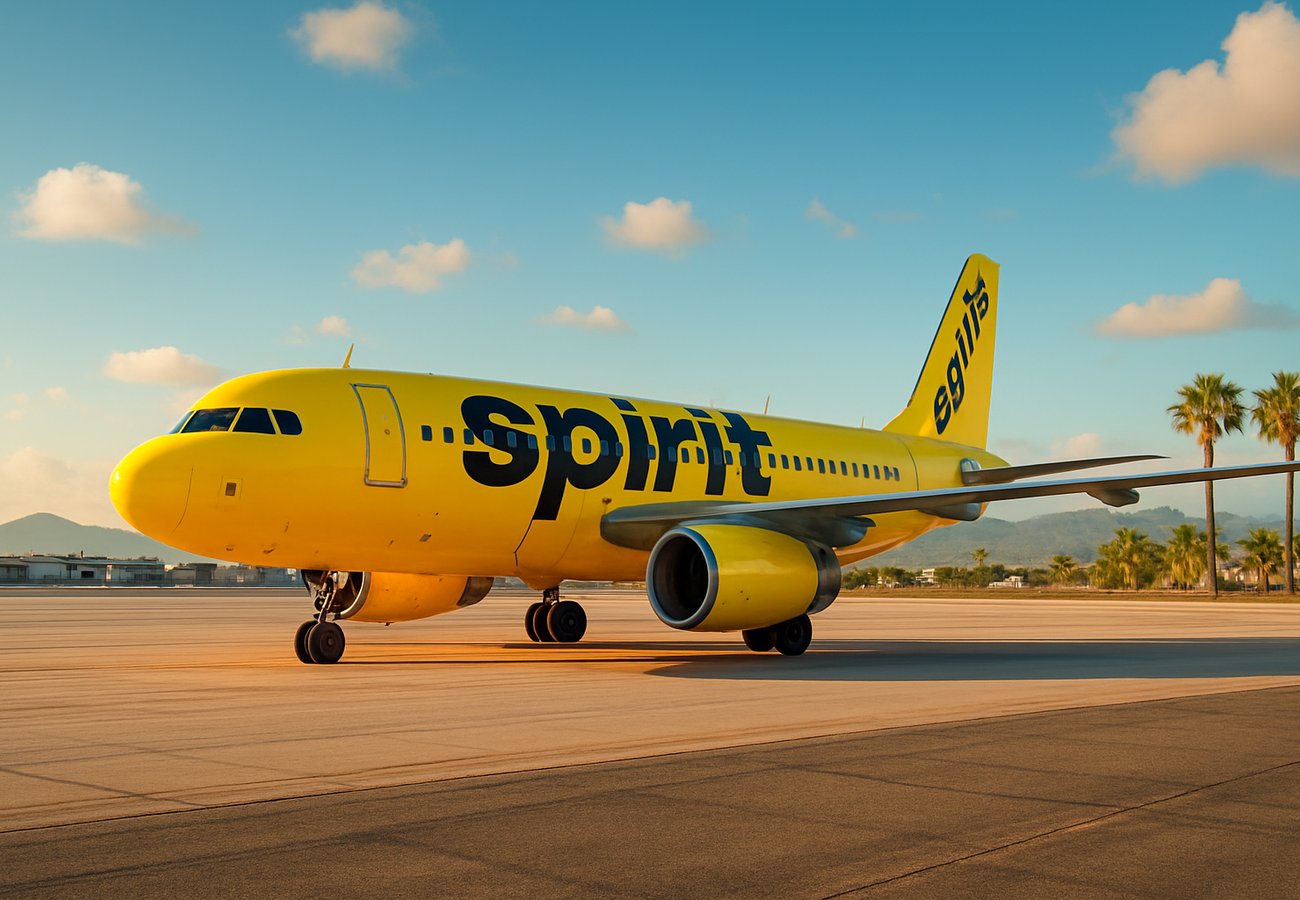
Image generated by AI
The United States aviation industry is confronting one of its most serious structural crises in decades. Spirit Airlines, the country's pioneering ultra-low-cost carrier (ULCC), has permanently shut down operations after failing to secure emergency financing, becoming the most prominent casualty of a devastating jet fuel price crisis that is now threatening the entire budget airline model in America.
What Caused the Jet Fuel Crisis?
The current fuel crisis is the result of several converging forces:
- Geopolitical disruption in the Middle East: Ongoing conflicts and sanctions linked to Iran have significantly disrupted the global oil supply chain, keeping crude prices elevated.
- OPEC+ production strategy: The cartel has maintained production discipline, limiting the supply increase that would otherwise ease prices.
- Refinery constraints: Ageing US refinery capacity has struggled to meet the surge in jet fuel demand as air travel returns to and exceeds pre-pandemic levels.
- Weak US dollar hedging: Spirit, unlike larger carriers, had limited fuel hedging contracts in place, leaving it fully exposed to the spot market price surge.
Why Spirit Airlines Was Most Vulnerable
Budget carriers like Spirit operate fundamentally different economics from legacy carriers:
| Factor | Spirit (ULCC) | Delta / United (Legacy) |
|---|---|---|
| Profit per passenger | $5–$10 | $20–$40 |
| Fuel hedging | Minimal | Extensive |
| Fleet age | Newer, more efficient | Mixed |
| Revenue diversity | Ancillary fees only | Cargo, loyalty, corporate |
Spirit's paper-thin margins left virtually no buffer against a sustained fuel cost spike. When the price per gallon of jet fuel rose above critical thresholds, the airline's unit economics collapsed.
The Broader Threat to Budget Airlines
Spirit's collapse is not an isolated event. Frontier Airlines, Allegiant, and Sun Country are all facing similar structural pressures. Industry analysts at IATA have warned that without a significant reduction in fuel prices or government intervention, further ULCC consolidation or collapse is possible within the next 12 months.
What Passengers Should Expect
- Higher base fares on previously Spirit-served routes as competition evaporates.
- Partial consolidation — Frontier or Allegiant may absorb some Spirit routes and slots.
- Longer-term structural change — the era of ultra-low fares on US domestic routes may be significantly curtailed.
Related Travel Guides
This article is for informational purposes. Flight routes, passenger regulations, visa rules, and transit advisories are subject to change by airlines and aviation authorities. Readers are advised to verify schedules and travel documentation with relevant carriers and border agencies before departure.
Related Stories

United Airlines Launches Nonstop Newark–St. Croix Flights to Expand Caribbean Tourism and Diaspora Travel
Singapore Airlines Prepares Airbus A380 Return on Hong Kong Route for Winter 2027 Schedule