
US Multi-State Adventure Travel Guide 2026: Idaho Rivers, Hawaii Surf, and Rocky Trails
A nationwide adventure alliance connects Idaho's wild Salmon River whitewater with Hawaii's winter surf and Rocky Mountain trails through unified conservation and multi-sport itineraries.

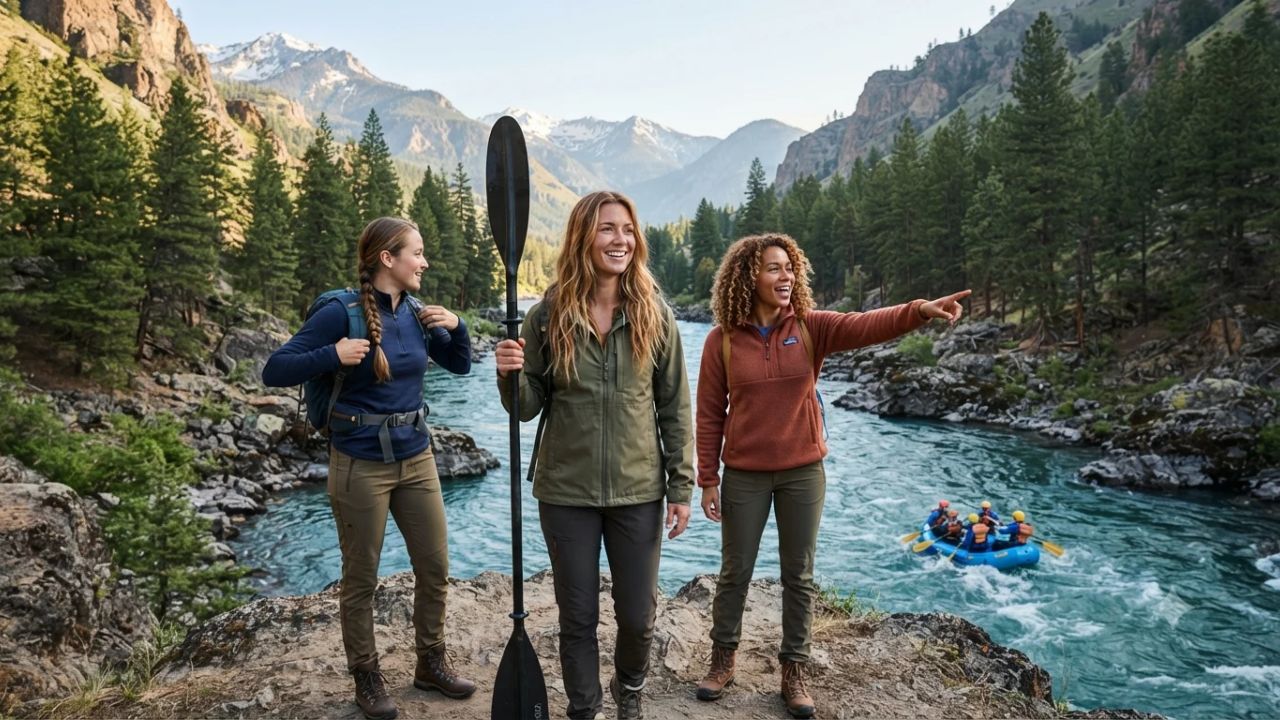
Connecting the deepest river gorge in North America along Hells Canyon with the world-class winter ocean swells of the Hawaiian archipelago, a newly aligned multi-state adventure corridor is fundamentally reshaping how sports enthusiasts explore the American wilderness. By establishing shared ecological standards, streamlined commercial guiding permits, and synchronized seasonal itineraries, destination authorities led by Visit Idaho and the Hawaii Tourism Authority are linking wilderness whitewater expeditions, geothermal hiking routes in the northern Rockies, sandstone rock climbing in Appalachia, and world-class alpine skiing in Utah's Wasatch Range. This cooperative framework actively disperses travelers away from overcrowded urban centers directly into pristine public lands while channeling commercial recreation fees back into rural habitat conservation.
The Rise of Interconnected Multi-Sport Corridors
The emergence of cross-regional adventure networks reflects a decisive shift among modern travelers toward multi-activity, immersive expeditions. Rather than embarking on isolated weekend trips, domestic and international adventurers are seeking extended itineraries that bridge contrasting wilderness ecosystems.
During the late spring transition window, for example, lingering high-elevation snowpack allows downhill skiers to carve fresh tracks in the Wasatch Range near Salt Lake City, while rapidly rising spring snowmelt downstream opens world-class Class IV and V whitewater rafting across the Salmon River system in Idaho. In autumn, hikers exploring geothermal boardwalks around Grand Prismatic Spring and wildlife corridors in the Lamar Valley can transition east toward sandstone cliff faces in the Appalachian Mountains for peak fall-foliage rock climbing.
Managed under shared stewardship guidelines established with the National Park Service, these interstate corridors implement real-time carrying-capacity modeling to distribute footfall across shoulder seasons, protecting sensitive wildlife migration paths while supporting local guiding outfitters year-round.
Regional Diversity: From Continental Canyons to Pacific Breaks
The adventure alliance showcases five distinct geographical ecosystems, each offering world-class sporting conditions and specialized ecological management:
- Pacific Northwest River Canyons (Idaho): Home to the Salmon River and Hells Canyon, where wilderness rafters, kayakers, and jetboat operators navigate dramatic basalt canyons while managing riparian riverbed erosion.
- Central Pacific Coastlines (Hawaii): Delivering legendary winter surf breaks on northern shores from November to April, paired with strict coral reef protection and ocean safety education.
- Northern Rocky Mountains (Wyoming & Idaho): High-altitude backcountry trails and geothermal wonders where elevated wooden boardwalks prevent thermal crust degradation.
- Central Appalachian Gorges: World-renowned sandstone sport climbing where conservation groups actively stabilize cliffline staging areas and designated access paths.
- Wasatch Alpine Ranges (Utah): Premier powder skiing and snowboarding served by direct mountain canyon transit, safeguarding delicate mountain watersheds.
Multi-State Adventure Recreation Matrix
| Adventure Region | Primary Sporting Discipline | Peak Seasonal Window | Key Ecological Management Focus | Signature Wilderness Asset |
|---|---|---|---|---|
| Pacific Northwest (Idaho) | Whitewater Rafting & Kayaking | May to September | Riparian zone protection & riverbed erosion control | Middle Fork of the Salmon River, Hells Canyon |
| Central Pacific (Hawaii) | Ocean Surfing & Paddleboarding | November to April | Coral reef preservation & marine safety protocols | North Shore Oahu, Maui coastal breaks |
| Northern Rockies | Geothermal & Wilderness Trekking | June to October | Wildlife migration corridors & thermal feature safety | Grand Prismatic Spring, Lamar Valley |
| Central Appalachia | Sandstone Sport Rock Climbing | September to November | Cliffline preservation & trail stabilization | New River Gorge, Red River Gorge crags |
| Wasatch Range (Utah) | Downhill Skiing & Snowboarding | December to April | Alpine watershed protection & avalanche safety | Alta, Snowbird, Park City ridgelines |
Visitor Insider Tips for Multi-Sport Travel
Planning an ambitious multi-state adventure requires precise timing, permit reservations, and specialized gear management.
- Securing Wilderness River Lottery Permits: Private and commercial permits for the Middle Fork of the Salmon River and the Selway River are distributed via the annual Four Rivers Lottery on Recreation.gov between December and January. Apply early or book through a licensed outfitter holding authorized federal operating rights.
- Mandatory Mineral Reef-Safe Sunscreen: Hawaii state law strictly prohibits sunscreens containing oxybenzone and octinoxate to protect coral reefs. Purchase locally manufactured non-nano zinc oxide sunscreen upon arrival in the islands.
- Utilizing Wasatch Canyon Ski Shuttles: During winter months in Utah, avoid driving rental cars up Little and Big Cottonwood Canyons during active winter traction law alerts. Take direct UTA ski bus routes from Salt Lake City transit hubs to bypass parking shortages and reduce mountain road emissions.
- Verifying Certified Wilderness Guides: When hiring rock climbing or backcountry ski guides across state lines, ensure operators hold valid American Mountain Guides Association (AMGA) certifications and current Wilderness First Responder (WFR) credentials.
Cultural and Environmental Context: Indigenous Heritage and Public Lands Stewardship
The long-term viability of America's outdoor recreation economy depends upon authentic partnerships with Indigenous tribal nations and dedicated conservation funding. In Idaho, river recreation councils work alongside the Nez Perce (Nimiipuu) and Shoshone-Bannock tribes to protect ancestral salmon spawning habitats and sacred petroglyph sites throughout the Snake and Salmon river corridors.
Similarly, in Hawaii, community-led programs integrate traditional Native Hawaiian ahupuaʻa watershed management principles into coastal surf and dive operations. Commercial guiding concessions, gear rental fees, and state recreation taxes generate millions of dollars annually, directly funding trail repairs, invasive species eradication, and visitor safety infrastructure to preserve these extraordinary wilderness assets for future generations.
FAQ: Visiting US Adventure Corridors 2026
What is the benefit of the multi-state adventure tourism alliance?
The initiative provides synchronized seasonal itineraries, unified outdoor safety standards, and verified guiding networks that connect diverse wilderness regions across the United States.
When can I combine alpine skiing and whitewater rafting?
Late spring (May to early June) offers a prime transition window, where high-elevation Wasatch snowpack allows skiing while lower canyon snowmelts create powerful river rafting conditions in Idaho.
How are geothermal features protected in the Rocky Mountains?
National parks utilize elevated boardwalks, strict off-trail regulations, and continuous thermal monitoring to prevent delicate crust damage and ensure visitor safety.
Do I need technical experience for Appalachian rock climbing?
No. Licensed local guide services provide certified harnesses, helmets, and ropes, offering beginner-friendly introductory clinics on designated sandstone cliff faces.
From paddling through the thunderous rapids of the Salmon River to catching the sunset swell on a Hawaiian point break, America's connected adventure corridors offer an extraordinary celebration of wild terrain.
Related Travel Guides
Disclaimer
This article is for informational and educational purposes only. It does not constitute legal, financial, or professional advice. While we strive to provide accurate and up-to-date information, travel policies, regulations, and conditions change rapidly. Always verify information with official sources before making travel decisions. Nomad Lawyer makes no representations about the accuracy, reliability, completeness, or suitability of the information provided. Readers should consult qualified professionals for advice specific to their circumstances. The views expressed in this article are those of the author and do not necessarily reflect the views of Nomad Lawyer.
Preeti Gunjan
Contributor & Community Manager
A passionate traveller and community builder. Preeti helps grow the Nomad Lawyer community, fostering engagement and bringing the reader experience to life.
Learn more about our team →