
United Shakes Premium Cabin Fares With New Three-Tier Pricing Structure
United Airlines introduces three-tier premium cabin pricing in 2026 to simplify long-haul bookings. Base, standard, and flexible fares offer travelers varying levels of flexibility and benefits across international routes.

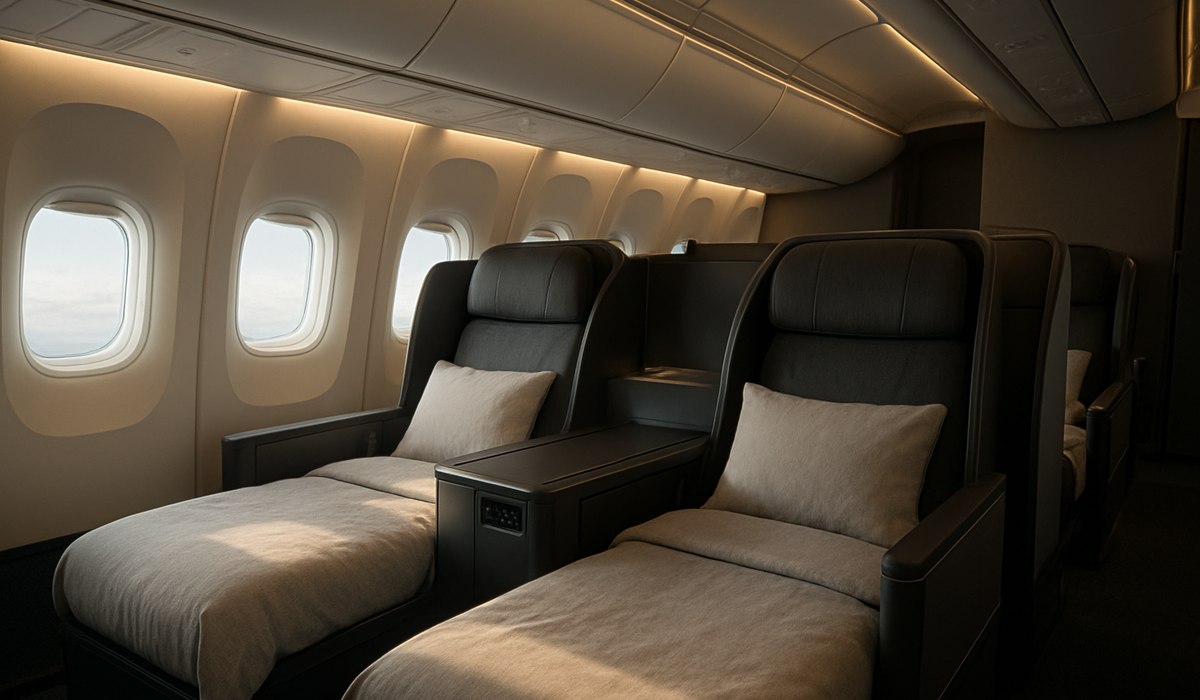
Image generated by AI
United Airlines Reshapes Premium Long-Haul Bookings
United Airlines is fundamentally transforming how travelers purchase premium cabin seats on international and transcontinental routes, rolling out a three-tier fare structure designed to enhance choice and simplify the booking experience. The carrier's new tiered pricing model—comprising base, standard, and flexible options—launches across select markets in 2026 before expanding systemwide. This strategic shift positions United among global carriers modernizing premium cabin distribution while addressing passenger demand for transparent, value-aligned pricing. Chief Commercial Officer Andrew Nocella stated the initiative enables customers to "find a fare that includes the benefits they want most—whether that's a great value, added perks, or maximum flexibility." The rollout fundamentally reshapes how United shakes premium cabin bookings across its entire international network, impacting millions of long-haul travelers annually.
United's New Three-Tier Premium Cabin Structure
The foundation of this initiative rests on three distinct fare categories, each serving different traveler priorities and budgets. Base fares represent the entry-level premium option, offering competitive pricing for passengers prioritizing seat location in premium cabins without additional amenities. Standard fares add meaningful value through included seat selection, checked baggage allowances, and enhanced cabin service features. Flexible fares provide the premium experience with unrestricted change policies and full refund eligibility, catering to travelers requiring maximum scheduling freedom. United is simultaneously expanding its Polaris branding—traditionally reserved for international business class—to transcontinental domestic routes, creating consistent premium positioning across long-haul networks. The airline's updated website and mobile application now display these fares side-by-side, enabling direct benefit comparison during the booking process. This transparent presentation approach reduces decision friction and helps travelers immediately identify which tier aligns with their priorities and budget constraints.
What's Included in Each Fare Category
Understanding the precise inclusions for each tiered cabins option proves essential for optimizing your travel investment. Base premium fares include standard seat selection within the cabin, standard checked baggage allowances per route regulations, priority boarding, and access to United Club locations in domestic airports. Standard tier fares enhance the base experience by guaranteeing preferred seating selections, expanded checked baggage limits on international routes, complimentary meals and beverages, and priority customer service treatment. Flexible fares unlock the complete premium experience: unrestricted booking modifications up to departure, full refund eligibility upon cancellation, priority boarding with companion access, premium meal services, enhanced baggage allowances, and guaranteed Polaris lounge access where available. The pricing differential between tiers reflects these cumulative benefits, with standard fares typically priced 20-30% above base options and flexible fares commanding premium positioning. Route-specific variations apply, particularly on Asia-Pacific services where premium pricing reflects fuel surcharges and operational complexity. Economy cabin structure remains unchanged; these tiered improvements apply exclusively to premium class offerings.
Polaris Lounge Access Changes by Tier
United's lounge strategy reflects the new tiered premium architecture, with access privileges varying by fare selection. Base premium fares restrict lounge access to United Club locations exclusively, providing foundational hospitality amenities including refreshments, seating, and connectivity but excluding fine dining or premium shower facilities. Standard and flexible premium fares unlock access to Polaris lounges on international routes, delivering elevated hospitality experiences including fine dining, spa amenities, shower facilities, and workspace environments. This differentiation encourages higher-tier bookings while maintaining baseline perks for budget-conscious premium passengers. The Polaris expansion to transcontinental U.S. routes creates consistency across United's entire long-haul flights portfolio, standardizing the premium experience for domestic business travelers covering cross-country distances exceeding four hours. For frequent travelers on Asia-Pacific routes, lounge tier eligibility influences total value calculation, potentially justifying standard or flexible tier selection beyond seating preferences alone.
What This Means for Australian Travellers
Australian travelers connecting through U.S. gateways benefit significantly from United's premium restructuring, particularly those flying transcontinental routes to secondary markets like Denver, San Francisco, or Chicago. The three-tier approach enables budget optimization for routes traditionally offering limited cabin granularity, allowing travelers to match spending precisely with required benefits. Business travelers requiring flexible rebooking options gain clarity through the dedicated flexible tier, eliminating confusion about modification eligibility at point-of-purchase. Leisure travelers prioritizing cost control can select base fares while maintaining premium cabin positioning and priority services. The enhanced website presentation simplifies comparison shopping, historically challenging on Australian-sourced United bookings through connecting itineraries. However, the tier system introduces additional decision complexity requiring research at booking time; travel advisors recommend evaluating your specific routing, layover duration, and schedule flexibility before selecting tier levels. Australian frequent flyers should confirm their status benefits interact appropriately with each tier, as elite benefits may modify base lounge access permissions.
Key Premium Cabin Changes Overview
| Fare Tier | Entry Price | Seat Selection | Checked Baggage | Lounge Access | Modification Policy | Best For |
|---|---|---|---|---|---|---|
| Base | Lowest | Standard | Standard | United Club | Limited changes | Budget-conscious premium travelers |
| Standard | Moderate | Preferred | Enhanced | Polaris* | Standard changes | Mid-tier business travelers |
| Flexible | Premium | Preferred | Premium | Polaris* | Unrestricted/refundable | Flexible schedule travelers |
| Economy | Lowest overall | Purchased separately | Limited | None | Standard paid changes | All leisure passengers |
*Polaris lounge access available on international/transcontinental routes only
Traveler Action Checklist
-
Review your routing and identify your preferred tier. Determine whether base, standard, or flexible pricing aligns with your schedule flexibility and budget constraints before initiating bookings.
-
Compare total ticket cost across all three tiers. Evaluate pricing differentials against included benefits; sometimes flexible fares justify premium positioning if modification risk exists.
-
Confirm lounge access eligibility. Verify that your selected tier provides lounge access matching your layover airport needs and trip requirements.
-
Check elite frequent flyer benefit interactions. Confirm that your United frequent flyer status modifies base lounge access permissions and ensure tier selection doesn't conflict with elite benefits.
-
Leverage the new booking interface. Use United's updated website or mobile application to display tiers side-by-side; screenshot comparisons before final purchase decisions.
-
Document your tier selection and inclusions. Save booking confirmation emails and tier details for reference during check-in and throughout your journey.
-
Verify baggage allowances by route. International versus transcontinental baggage limits vary; confirm specifics match your packing requirements before finalizing purchase.
-
Monitor United's rollout schedule. Check whether your preferred routes receive tier availability; phased expansion means some markets may access tiers later in 2026.
FAQ: United Premium Tier Pricing Questions
Q: Will United's tiered premium structure affect my frequent flyer miles booking options?
A: Yes, tiered pricing applies to award redemptions as well. Elite frequent flyers may enjoy bonus tier upgrades or modified lounge access; contact United directly for elite-specific tier interactions. Miles redemptions may display different tier options depending on cabin availability and elite status level.
Q: Can I upgrade from base to flexible tier after booking if my schedule becomes uncertain?
A: United permits fare tier upgrades at the ticket counter or through customer service, though pricing may apply for the tier differential. The new booking system simplifies this process; however, advance requests offer better pricing visibility than gate-time changes. Check United's website for specific upgrade policies by route.
**Q: Do the new tiered premiums affect my existing United ticket bookings made before April 2026?
Disclaimer
This article is for informational and educational purposes only. It does not constitute legal, financial, or professional advice. While we strive to provide accurate and up-to-date information, travel policies, regulations, and conditions change rapidly. Always verify information with official sources before making travel decisions. Nomad Lawyer makes no representations about the accuracy, reliability, completeness, or suitability of the information provided. Readers should consult qualified professionals for advice specific to their circumstances. The views expressed in this article are those of the author and do not necessarily reflect the views of Nomad Lawyer.
Kunal K Choudhary
Co-Founder & Contributor
A passionate traveller and tech enthusiast. Kunal contributes to the vision and growth of Nomad Lawyer, bringing fresh perspectives and driving the community forward.
Learn more about our team →