
United Airlines Polaris Base Tier: What Premium Perks You're Actually Losing in 2026
United Airlines' new three-tier Polaris structure in 2026 offers lie-flat seats but strips Base tier passengers of key premium amenities, raising serious questions about true business class value.

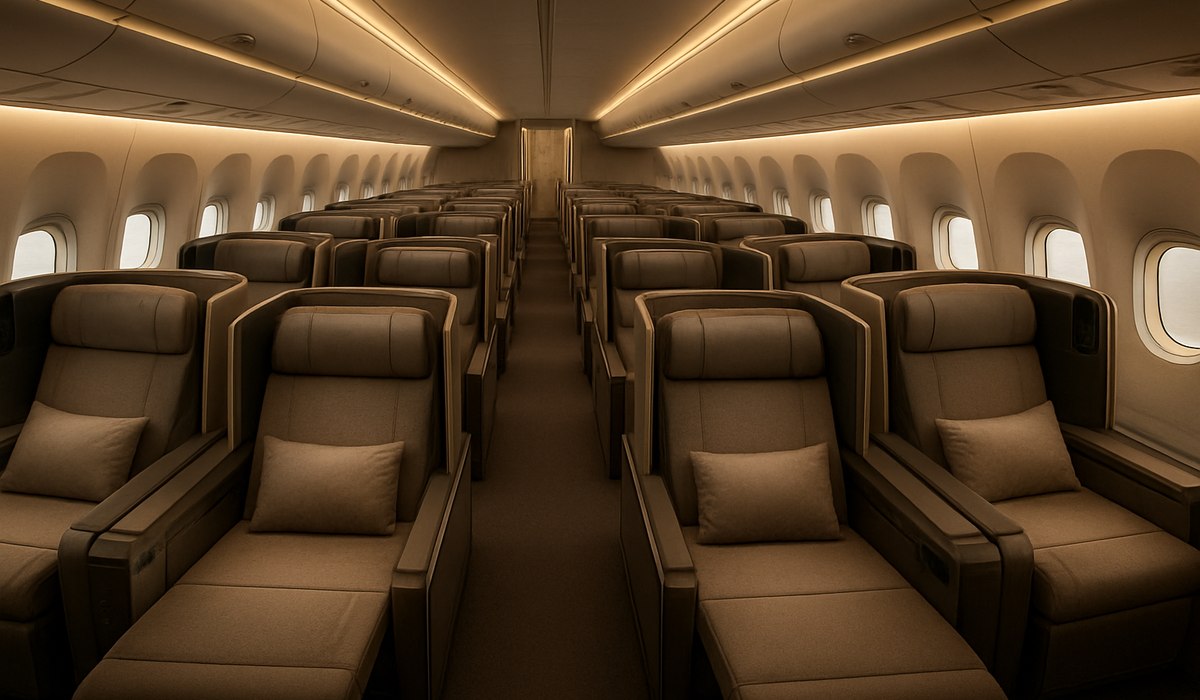
Image generated by AI
United Airlines' Polaris Restructuring Raises Concerns Over Premium Value
United Airlines has introduced a controversial three-tier Polaris cabin structure in 2026, fundamentally reshaping how business class travelers purchase premium experiences. The new system—Base, Standard, and Flexible tiers—was marketed as expanded passenger choice, but industry observers and frequent fliers are questioning whether the entry-level option delivers genuine premium service. While lie-flat seats and multi-course dining remain hallmarks of the cabin, the Base Polaris tier conspicuously eliminates numerous benefits that previously defined the Polaris experience, forcing cost-conscious business travelers to choose between affordability and authenticity.
The New Three-Tier Polaris Structure Explained
United's revised Polaris premium cabin tier system divides business class into three distinct purchasing options. The Base tier provides the foundational lie-flat seat and basic dining service, while Standard tier passengers receive enhanced meal selections and lounge access. The Flexible tier delivers the comprehensive Polaris experience with maximum perks and rebooking flexibility.
This stratification reflects industry-wide trends toward ancillary revenue generation. Airlines increasingly unbundle cabin amenities previously bundled into a single cabin class. United's approach lets budget-conscious business travelers access lie-flat technology at lower fares, while capturing premium pricing from those demanding full-service experiences. However, the gap between Base and Standard tiers has sparked debate about whether Base Polaris qualifies as true business class or represents a dilution of premium cabin standards.
The three-tier model requires travelers to make deliberate choices rather than enjoy automatic benefits. This approach contrasts with legacy premium cabin designs where cabin class determined amenity access automatically.
What You Actually Lose With Base Polaris
The base fare structure eliminates several traditionally included Polaris amenities. Base tier passengers forfeit access to Polaris lounges at major hubs, a significant disadvantage for travelers requiring quiet workspaces before departure. Premium bedding packages, typically included in legacy Polaris bookings, become upgrade options rather than standards.
Dining experiences represent another notable reduction. While Base Polaris maintains multi-course service, Standard and Flexible tiers receive curated menus and wine pairings unavailable to Base passengers. Shower spa access at select international hubs, a signature Polaris perk, requires paid upgrades for Base tier fliers.
Ground transportation benefits shrink considerably. Base Polaris passengers lose complimentary car service options that previously accompanied premium cabin bookings. Priority baggage handling remains, but priority check-in—historically standard for Polaris—now requires paid status or elite frequent flyer standing.
Entertainment systems, amenity kits, and sleep products all vary by tier. Sennheiser noise-canceling headphones and premium skincare products become tier differentiators rather than universal cabin inclusions.
Comparing Base, Standard, and Flexible Tiers
| Feature | Base Polaris | Standard Polaris | Flexible Polaris |
|---|---|---|---|
| Lie-flat seat | Yes | Yes | Yes |
| Multi-course dining | Basic menu | Enhanced menu | Premium curated |
| Polaris lounge access | No | Yes | Yes |
| Shower spa access | Paid upgrade | Included | Included |
| Ground transportation | No | Limited | Full service |
| Priority check-in | No | Yes | Yes |
| Rebooking flexibility | Restricted | Moderate | Unrestricted |
| Amenity kit | Standard | Premium | Premium |
| Wine pairings | Limited | Yes | Yes |
| Estimated price differential | Baseline | +25-40% | +50-70% |
Is Base Polaris Still Worth the Premium Price?
The value proposition of United airlines Polaris base tier depends heavily on individual travel priorities. Passengers primarily seeking lie-flat seating and extended sleep time find Base tier compelling. Long-haul transatlantic and transpacific routes benefit most from lie-flat technology regardless of tier selection.
However, business travelers accustomed to comprehensive premium cabin service may experience disappointment. The elimination of lounge access affects pre-departure productivity, particularly on international flights. Reduced dining options diminish the experiential component that differentiated Polaris from competitors' premium cabins.
Frequent flyers should conduct price comparisons with competing carriers. British Airways Club World and Cathay Pacific First Class offer alternative premium cabins with more consistent amenity inclusion at potentially lower costs on specific routes. The gap between Base Polaris and Standard Polaris pricing becomes crucial—if the differential exceeds 20-30%, Standard tier often delivers superior overall value through lounge access alone.
Route-specific factors matter significantly. Domestic U.S. flights offer minimal Polaris tier differentiation since lie-flat seating provides primary value on flights under seven hours. International flights justify premium tier selection through enhanced dining and lounge benefits.
Traveler Action Checklist
- Compare total trip costs across all three Polaris tiers before booking, including lounge access value and ground transportation benefits
- Assess your trip's minimum requirements—prioritize either lie-flat seating or comprehensive amenities to determine optimal tier
- Check your elite frequent flyer status to understand complimentary lounge access and upgrade availability that may offset Base tier limitations
- Review competitor premium cabins on your desired route using FlightAware route maps and airline comparison tools
- Document your booking details including tier selection, included versus paid amenities, and any pre-flight requests with United customer service
- Monitor United's tier benefits for policy changes by regularly reviewing United's official premium cabin specifications
- File complaints or feedback regarding tier value gaps directly with US DOT if you experience service inconsistencies
Frequently Asked Questions
What exactly is included in United Airlines Polaris Base tier?
Base Polaris includes lie-flat seats, multi-course meals from a standard menu, priority baggage handling, and basic amenity kits. Access to Polaris lounges, ground transportation, shower spas, and premium dining options requires tier upgrades.
How much cheaper is Base Polaris compared to Standard tier?
Price differentials vary by route and booking timing, typically ranging from 25-40% savings with Base tier selection. International long-haul routes show larger absolute price differences than domestic flights, sometimes exceeding $1,000 per ticket.
Can I upgrade from Base to Standard or Flexible after booking?
United allows post-purchase tier upgrades for the fare difference plus applicable change fees. Availability depends on seat inventory within each tier and advance purchase timing.
Does elite status grant me Standard tier benefits on Base Polaris bookings?
Elite frequent flyer status provides lounge access regardless of tier, but doesn't automatically unlock other Standard or Flexible amenities like enhanced dining or ground transportation on Base fare purchases.
What This Means for Travelers
The shift toward tiered premium cabin pricing reflects industry evolution, but demands active traveler engagement. United Polaris base tier passengers must consciously evaluate whether stripped-down benefits justify premium cabin pricing compared to premium economy alternatives on specific routes.
Business travelers should conduct detailed cost-benefit analyses before booking. The lie-flat seat justifies premium cabin investment on long-haul flights, but shorter routes may favor premium economy with significantly lower fares. Frequent international flyers particularly benefit from Standard or Flexible tier selection due to lounge access and enhanced dining value.
Consider your travel patterns annually. Occasional premium cabin users find Base Polaris acceptable for specific long-haul flights, while monthly business travelers should evaluate elite status benefits and loyalty program optimization. Route-specific competitor analysis prevents overpaying for stripped-down premium experiences when superior alternatives exist.
Disclaimer
This article is for informational and educational purposes only. It does not constitute legal, financial, or professional advice. While we strive to provide accurate and up-to-date information, travel policies, regulations, and conditions change rapidly. Always verify information with official sources before making travel decisions. Nomad Lawyer makes no representations about the accuracy, reliability, completeness, or suitability of the information provided. Readers should consult qualified professionals for advice specific to their circumstances. The views expressed in this article are those of the author and do not necessarily reflect the views of Nomad Lawyer.
Raushan Kumar
Founder & Lead Developer
Full-stack developer with 11+ years of experience and a passionate traveller. Raushan built Nomad Lawyer from the ground up with a vision to create the best travel and law experience on the web.
Learn more about our team →