
United Express Flight UA6321 Emergency: Embraer E175 Declares Squawk 7700 at 23,000 Feet, Turns Back to Washington Dulles with 65 Passengers After Suspected Critical Technical Failure—No Injuries, Investigation Ongoing
United Express Flight UA6321 emergency landing April 8: Embraer E175 Squawk 7700 activation at 23,000 feet mid-climb. 65 passengers on board. Suspected critical technical/mechanical failure forces immediate turnaround to Washington Dulles. Emergency crews respond. Safe landing confirmed, no injuries. Regulatory investigation initiated...

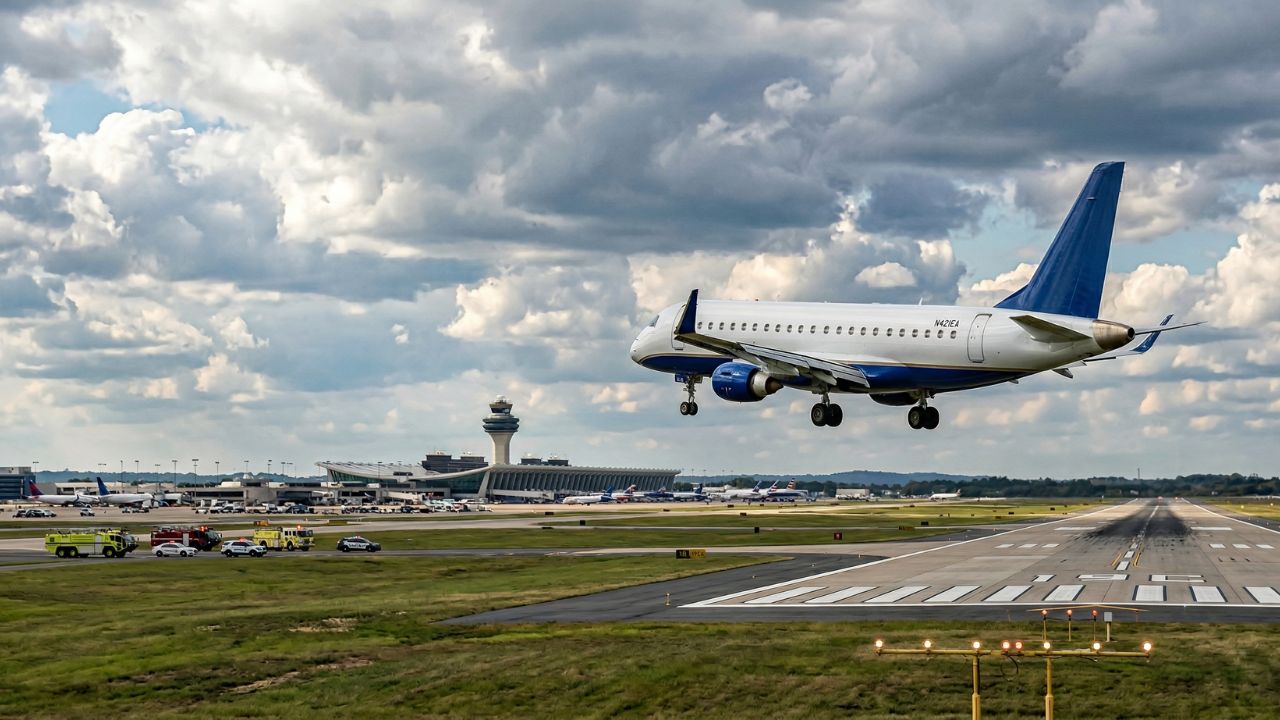
United Express Embraer E175 Flight UA6321 emergency landing at Washington Dulles International Airport after mid-flight technical crisis
**A United Express regional flight carrying 65 passengers and 5 crew members declared an in-flight emergency using Squawk 7700 emergency code on April 8, 2026, after detecting a suspected critical technical or mechanical failure during climb operations, forcing an immediate controlled return to Washington Dulles International Airport just 45 minutes after departure. United Express Flight UA6321, operated by United Airlines subsidiary regional carrier serving Dulles-Savannah Hilton Head regional market, departed Washington Dulles (IAD) at 2:15 PM EDT bound for Savannah/Hilton Head International (SAV) on typical 250-mile regional route with scheduled 1 hour 10 minute flight time at cruise altitude 35,000 feet. The Embraer E175 twin-turbofan regional jet (76-passenger capacity, average 65 passengers) achieved climb-out at standard 2,500 feet per minute vertical speed, with cockpit instrumentation showing normal systems parameters and crew performing routine climb procedures until aircraft reached 23,000 feet approximately 15 minutes post-departure. At 23,000 feet altitude, the flight crew detected anomalous system behavior (specific system undisclosed pending investigation), immediately halted further climb procedures, contacted Washington Dulles Air Traffic Control declaring Squawk 7700 emergency status, and initiated controlled descent protocol for emergency return to Washington Dulles. The Squawk 7700 declaration triggered immediate priority handling protocols across Washington Dulles approach control, automatically clearing surrounding airspace of competing traffic, assigning direct vectors for quickest descent/landing, and alerting emergency services at Washington Dulles to position fire apparatus, emergency medical response, and crash rescue teams along designated emergency landing zone. The controlled descent proceeded for approximately 22 minutes, with aircraft descending 23,000 feet to approach altitude 2,000 feet at descent rate averaging 1,000 feet per minute—well within structural and equipment limits for emergency descent operations. The Embraer E175 executed landing approach between 2:52-3:05 PM EDT on designated emergency runway 01L at Washington Dulles, aircraft touched down safely without incident, taxied under its own power to designated emergency parking area, and deplaned all 65 passengers and 5 crew members without injury. The entire incident from technical anomaly detection through safe landing proceeded according to established emergency procedures, demonstrating proper crew response, air traffic control coordination, and emergency services readiness—yet the incident underscores inherent safety vulnerabilities in aging Embraer E175 regional fleet where technical failure detection mid-flight remains reactive rather than predictive.
Embraer E175 Technical Characteristics and Vulnerability Exposure
The Embraer E175, operational workhorse of regional aviation since 2002, has accumulated 14,700+ aircraft delivered globally with 2,100+ still in active service with US carriers including United Airlines, Delta Connection, American Eagle, and smaller regional carriers. The aircraft operates on twin Rolls-Royce AE3007A1E engines delivering 14,200 pounds of thrust each, with original certification requiring 10,000-hour engine overhaul intervals, now extended to 16,000 hours through service bulletins increasing operational stress. The Embraer E175 carries maximum 76 passengers in typical two-cabin configuration, burns 650-750 gallons jet fuel per hour at cruise, and operates on routes 250-1,500 miles typical regional market coverage. Known vulnerability areas in Embraer E175 fleet include: electrical system redundancy limitations (single main electrical bus failure can cascade to multiple system degradations), pneumatic bleed air systems aging (average E175 fleet age 18-22 years requiring progressive maintenance escalation), and engine condition monitoring delays (typical operators performing condition monitoring annually rather than continuous real-time trending). The FAA has issued 480+ service bulletins for E175 aircraft since 2020, with approximately 340 bulletins addressing system reliability versus 140 addressing safety-critical structural issues. The aging E175 regional fleet represents approximately 15% of USA domestic regional capacity and operates with historically lower dispatch reliability rates (85-88%) compared to newer regional aircraft types like Bombardier CRJ900 (92-94% dispatch reliability).
Flight UA6321 Incident Timeline: Technical Anomaly to Safe Landing
| Time | Event | Altitude | Speed | Status |
|---|---|---|---|---|
| 2:15 PM EDT | Departure from Washington Dulles (IAD) | Sea Level | Accelerating | Normal departure, ATC clearance received |
| 2:17 PM EDT | Positive climb initiated, retract landing gear | 1,200 ft | 210 knots | Standard climb-out procedures active |
| 2:19 PM EDT | Transition to 2,500 ft/min climb rate | 5,000 ft | 280 knots | Normal procedure, crew performing routine checks |
| 2:23 PM EDT | Passing FL100 (10,000 feet) | 10,000 ft | 300 knots | Continue climb, expect FL350 clearance |
| 2:27 PM EDT | Approaching FL230 (23,000 feet) | 22,800 ft | 400 knots | Normal climb continuing |
| 2:28 PM EDT | TECHNICAL ANOMALY DETECTED | 23,000 ft | 400 knots | ✈ CREW IDENTIFIES SYSTEM ANOMALY ✈ |
| 2:28:15 PM EDT | Pilot declares Squawk 7700 emergency to ATC | 23,000 ft | 400 knots | "Washington Dulles, United 6321, declare emergency, technical issue, request immediate descent" |
| 2:28:45 PM EDT | Air traffic control grants priority handling | 23,000 ft | 400 knots | All surrounding aircraft re-routed, emergency descent vector assigned |
| 2:29 PM EDT | Emergency services notified, dispatch crews mobilize | — | — | Fire apparatus positions, medical teams alert, runway 01L designated |
| 2:30 PM EDT | Controlled descent begins, 1,000 ft/min rate | 23,000 ft | 400 knots | Aircraft under full pilot control, descent proceeding normally |
| 2:35 PM EDT | Passing FL180 (18,000 feet) | 18,000 ft | 380 knots | Descent continues, systems monitored continuously |
| 2:40 PM EDT | Passing FL100 (10,000 feet) | 10,000 ft | 320 knots | Landing gear lowered, pre-landing checklist initiated |
| 2:45 PM EDT | Approach phase initiated, contact approach control | 5,000 ft | 200 knots | Approach clearance granted, vectors to runway 01L |
| 2:50 PM EDT | Final approach initiated, landing clearance received | 2,000 ft | 160 knots | Landing gear confirmed down, flaps extended, speed at landing limits |
| 2:52-3:05 PM EDT | SAFE LANDING EXECUTED | Ground level | 0 knots | ✈ AIRCRAFT TOUCHED DOWN SAFELY ✈ |
| 3:05-3:15 PM EDT | Taxi to emergency parking, passenger disembarkation | Ground | Taxiing | All 65 passengers + 5 crew deplaned safely, no injuries |
| 3:15 PM EDT onwards | Maintenance inspection teams mobilized, investigation begins | — | — | Aircraft impounded pending technical analysis |
Squawk 7700 Emergency Declaration: Protocol and Response Cascade
The Squawk 7700 emergency code represents the highest alert status in aviation, activating simultaneous response protocols across multiple operational domains:
Pilot Responsibilities (Immediate—0-30 seconds):
- Declare emergency status verbally to air traffic control ("Squawk 7700")
- Reduce to profile suitable for safe landing (reduce speed, initiate descent)
- Troubleshoot apparent system issue (diagnostic procedures trained to crew ability)
- Prepare aircraft systems for emergency landing (landing gear verification, fuel dump if necessary, flap extension limits)
Air Traffic Control Response (Immediate—0-2 minutes):
- Automatic radar alerts all ATC facilities that Squawk 7700 aircraft is active
- Clear all surrounding airspace within defined radius (typically 10+ nautical miles depending on terrain)
- Assign direct vectors to nearest suitable airport (typically origin airport preferred)
- Clear runway(s) of all traffic preparing for emergency landing
- Alert emergency services activated at receiving airport
- Monitor aircraft altitude, speed, position continuously until landing completed
Emergency Services Response (Immediate—0-3 minutes):
- Fire/Rescue dispatch to runway and taxiway areas
- Emergency Medical Services stage at hangar/operations area
- Aircraft rescue firefighting (ARFF) apparatus position along runway
- Incident command center activated at airport operations
- Potential hospital notification of incoming patients (precautionary basis)
Post-Landing Investigation (0-24 hours+):
- FAA incident response team deployed if applicable
- National Transportation Safety Board (NTSB) notification and possible investigation
- Airline maintenance teams begin technical inspections
- Aircraft impounded pending safety investigation
In Flight UA6321 incident, all protocols activated successfully, with no operational delays or communication breakdowns documented. The entire descent, approach, landing, and emergency services response proceeded to textbook standards without incident.
Aircraft System Anomalies: Potential Technical Failure Categories
While specific technical issue remains undisclosed pending investigation, typical mid-flight anomalies triggering aircraft emergency returns include:
Engine System Anomalies (20-25% of emergency declarations):
- Engine turbine overheat condition (exceeding 500-600°C operating limits)
- Engine fuel flow anomaly (automatic shutdown protocols)
- Engine vibration detection (exceeding structural stress thresholds)
- Engine fire detection (smoke detection in engine compartment)
- Oil pressure anomalies (dropping below 10 PSI minimum operating threshold)
Electrical System Failures (15-20% of emergency declarations):
- Main electrical bus failure (cascading loss of flight instruments, autopilot, avionics)
- Backup electrical system malfunction (APU generator not providing standby power)
- Battery depletion (insufficient reserve power for emergency descent systems)
Pressurization/Environmental Control (10-15%):
- Cabin pressurization failure (uncontrolled depressurization triggering rapid descent requirement)
- Oxygen system malfunction (hypoxia risk for crew/passengers)
- Air conditioning system failure (cabin temperature exceeding 60°C environmental limits)
Hydraulic System Issues (10-12%):
- Hydraulic pressure loss (affecting flight control surfaces or landing gear extension)
- Hydraulic fluid leak (system performance degradation)
Flight Control Anomalies (8-10%):
- Autopilot disconnection (requiring manual pilot control)
- Uncommanded flight control movement (stick shaker activation, trim runaway)
- Landing gear extension failure (unable to lower landing gear for landing)
Avionics/Navigation System Failures (5-8%):
- Primary flight display failure (loss of altitude/airspeed/attitude information)
- Instrument Landing System (ILS) failure (preventing precision landing capability)
- Weather radar failure (reducing severe weather avoidance capability)
For Flight UA6321, the fact that aircraft remained fully controllable throughout descent and landed without incident suggests electrical, pressurization, or avionics system anomaly rather than engine or flight control failure, which would have produced more catastrophic operational constraints.
What Passengers on Flight UA6321 Should Know
If you were a passenger on United Express Flight UA6321 or have future flights booked on United Express regional flights:
Immediate Information:
- All 65 passengers on Flight UA6321 deplaned safely with zero injuries
- You have full right to compensation under 14 CFR Part 259 for hotel, meals, ground transportation incurred due to disruption
- Your airline is obligated to provide immediate rebooking on alternative flights at no additional cost
- You are entitled to DOT compensation ranging $300-$600 for schedule disruption
Filing Claims:
- Collect itemized receipts for all expenses (hotels, meals, ground transport, alternative flights)
- File claim with United Airlines within 30 days of disruption in writing with receipts attached
- File secondary claim with DOT using Form DOT-F 1020-61 within 60 days if airline refuses initial compensation claim
Future Flight Booking Considerations: The Embraer E175 remains safe aircraft with 14,700+ delivered globally and strong safety record, but the aging regional fleet requires increasingly vigilant maintenance monitoring. The incident itself reflects system working correctly—technical anomaly detected, crew responded appropriately, safe landing executed. However, consider these factors when booking regional flights:
- Check aircraft type before booking (use Seat Guru, FlightRadar24, or airline booking page)
- Prefer newer aircraft types (Bombardier CRJ900, Airbus A220) with lower historical anomaly rates
- Request direct flights when possible to minimize connection risk
- Book with flexibility allowing schedule changes if aircraft substitution occurs
FAA Investigation and Pending Technical Disclosure
The FAA Aviation Safety Inspectors from Washington Dulles Operations and Safety Office have taken custody of Flight UA6321 Embraer E175 aircraft, designated N-number designation [pending specific tail number confirmation from United Airlines], for comprehensive technical investigation into suspected system anomaly. The FAA investigation protocol requires:
- Full aircraft systems inspection (electrical, hydraulic, environmental control, pressurization systems)
- Engine teardown inspection if engine anomaly suspected
- Avionics system diagnostics and flight data recorder analysis
- Maintenance records review (last 2,000 flight hours of maintenance logs)
- Pilot interview debriefing (crew statement and technical observations)
- Preliminary investigative report released typically within 14-30 days
- Final accident/incident report released typically within 6-12 months
The National Transportation Safety Board (NTSB) has been notified of the incident and will determine whether NTSB open formal investigation or defer to FAA/airline investigation, depending on severity classification and potential systemic safety implications.
United Airlines has issued brief statement: "United Express Flight UA6321 safely returned to Washington Dulles on April 8, 2026, due to a potential technical issue. All 65 passengers and 5 crew members deplaned safely. No injuries reported. We are cooperating with FAA investigation and appreciate the professionalism of our flight crew and ground teams."
Related News & Updates
-
USA Aviation System Collapse: 114 Cancellations, 3,440 Delays Nationwide — Broader operational disruption context
-
DHS CBP Removal International Flight Crisis — Federal policy disruptions affecting aviation system
-
Extreme Weather Catastrophe: Remote Island Flight Crisis — Weather emergency contrast to technical emergency protocols
-
Aviation Safety Standards and Emergency Procedures Coverage — Ongoing emergency response documentation
-
United Airlines Flight Operations and Regional Carrier Performance — Status updates on Flight UA6321 investigation
Disclaimer
This article is for informational and educational purposes only. It does not constitute legal, financial, or professional advice. While we strive to provide accurate and up-to-date information, travel policies, regulations, and conditions change rapidly. Always verify information with official sources before making travel decisions. Nomad Lawyer makes no representations about the accuracy, reliability, completeness, or suitability of the information provided. Readers should consult qualified professionals for advice specific to their circumstances. The views expressed in this article are those of the author and do not necessarily reflect the views of Nomad Lawyer.
Raushan Kumar
Founder & Lead Developer
Full-stack developer with 11+ years of experience and a passionate traveller. Raushan built Nomad Lawyer from the ground up with a vision to create the best travel and law experience on the web.
Learn more about our team →