
United Airlines Reverses Course on Airbus A350 Order After 15 Years
Breaking airline news and aviation industry updates for 2026.

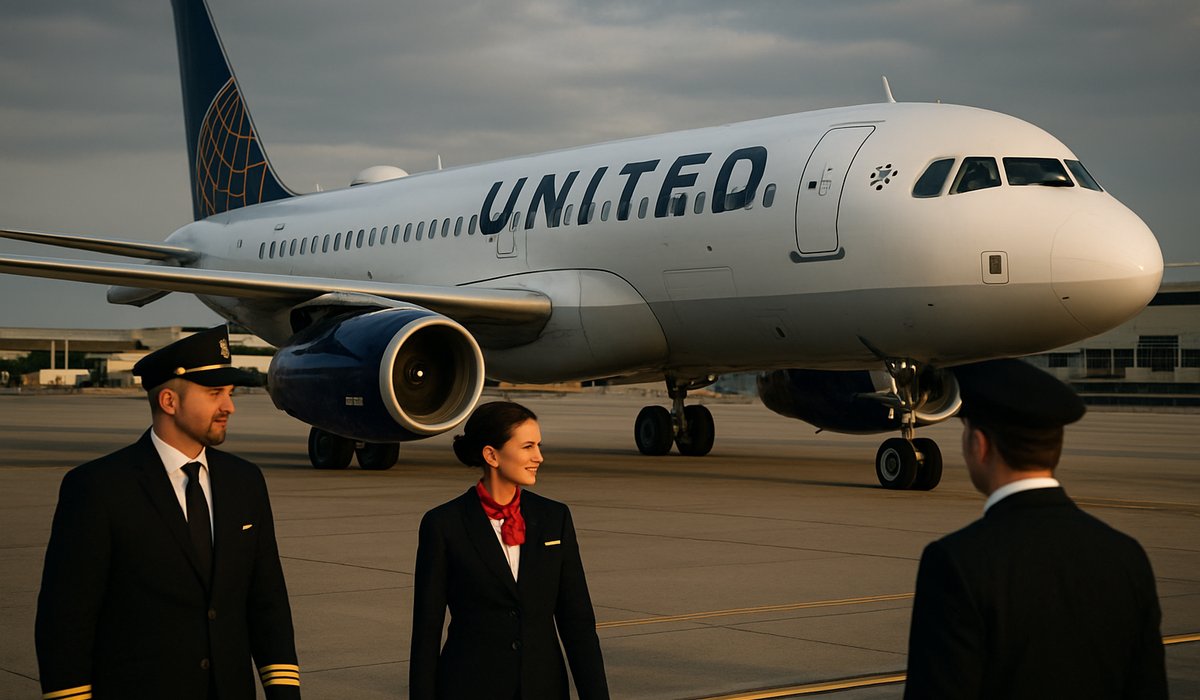
Image generated by AI
United Airlines Reverses Course on Airbus A350 Order After 15 Years
The carrier cancels remaining aircraft purchase in historic shift away from European manufacturer, signaling major implications for fleet strategy and Boeing's competitive position
United Airlines has terminated its remaining order for Airbus A350-900 wide-body jets, marking a dramatic reversal of a landmark 2009 purchasing agreement that once represented a significant breakthrough for the European aircraft manufacturer in the competitive North American market.
A Historic Split Decision Reversed
The cancellation closes the chapter on a controversial dual-aircraft procurement strategy initiated under former CEO Glen Tilton. The 2009 announcement of a mixed fleet acquisition—comprising 25 Boeing 787-8 Dreamliners alongside 25 Airbus A350-900s—had signaled a major strategic win for Airbus, which had struggled to penetrate the US carrier market dominated by Boeing relationships.
However, after operating under this split arrangement for over a decade, United has opted to consolidate its wide-body fleet exclusively around Boeing aircraft, according to industry sources briefed on the decision.
Fleet Consolidation Strategy Takes Center Stage
The move reflects evolving industry priorities around operational efficiency, maintenance standardization, and supply chain management. Airlines increasingly recognize that maintaining parallel fleets of competing aircraft manufacturers introduces complexity and cost pressures that directly impact profitability—a particularly acute concern given volatile jet fuel prices and rising aviation costs across the sector.
By eliminating the A350 orders, United can streamline crew training, spare parts inventory, and maintenance infrastructure, potentially delivering substantial savings in the coming years. Such consolidation strategies have gained prominence as carriers grapple with inflationary pressures on operational expenses.
Broader Industry Implications
The cancellation represents a setback for Airbus's North American strategy and underscores Boeing's sustained dominance among major US carriers. While Airbus has made strides with regional and low-cost operators, securing long-term commitments from legacy carriers like United remains challenging.
The decision also reflects the highly competitive dynamics of aircraft procurement, where financial incentives, technological advantages, and supplier relationships heavily influence purchasing patterns. For Boeing, the move strengthens its position as the preferred supplier for United's long-range international operations.
Financial and Operational Considerations
United's reversal comes amid an industry focused on managing capital expenditure and optimizing fleet economics. The airline industry continues wrestling with elevated maintenance costs, pilot scheduling complexities, and inventory management—factors that make aircraft diversification increasingly untenable for major carriers.
Airbus and United have not yet publicly commented on the cancellation terms or any potential financial settlements resulting from the order termination.
FAQ: Aircraft Orders and Airline Fleet Strategy
Why do airlines cancel aircraft orders? Airlines cancel orders due to changing business priorities, fleet optimization strategies, cost considerations, and shifts in demand forecasting. Consolidating around a single manufacturer reduces operational complexity.
What does a split aircraft order mean? A split order involves purchasing different aircraft models from competing manufacturers—typically Boeing and Airbus—to maintain competitive leverage and diversify supply-chain risks.
How do jet fuel prices affect aircraft purchasing decisions? Fuel efficiency becomes critical during periods of high energy costs. Airlines prioritize aircraft with superior fuel economy, influencing which models they order and retain.
What are the costs of maintaining multiple aircraft types? Parallel fleets require separate crew training programs, distinct maintenance protocols, specialized spare parts inventory, and dedicated technical expertise—significantly increasing operational overhead.
How does this impact Boeing vs. Airbus competition? Major carrier decisions influence market share, production volumes, and negotiating leverage. United's reversal strengthens Boeing's market position while limiting Airbus's footprint among legacy US carriers.
Related Travel Guides
Flight Delay Compensation Guide 2026
Understanding Airline Route Changes
Airport Security Process Updated (2026)
External Resources
Disclaimer
This article is for informational and educational purposes only. It does not constitute legal, financial, or professional advice. While we strive to provide accurate and up-to-date information, travel policies, regulations, and conditions change rapidly. Always verify information with official sources before making travel decisions. Nomad Lawyer makes no representations about the accuracy, reliability, completeness, or suitability of the information provided. Readers should consult qualified professionals for advice specific to their circumstances. The views expressed in this article are those of the author and do not necessarily reflect the views of Nomad Lawyer.
Kunal K Choudhary
Co-Founder & Contributor
A passionate traveller and tech enthusiast. Kunal contributes to the vision and growth of Nomad Lawyer, bringing fresh perspectives and driving the community forward.
Learn more about our team →