
United Airlines Introduces Base Fare Option for Polaris Business Class
United Airlines introduces tiered Base Fare options for Polaris business and Premium Plus cabins in April 2026, unbundling premium perks and reshaping luxury air travel economics.

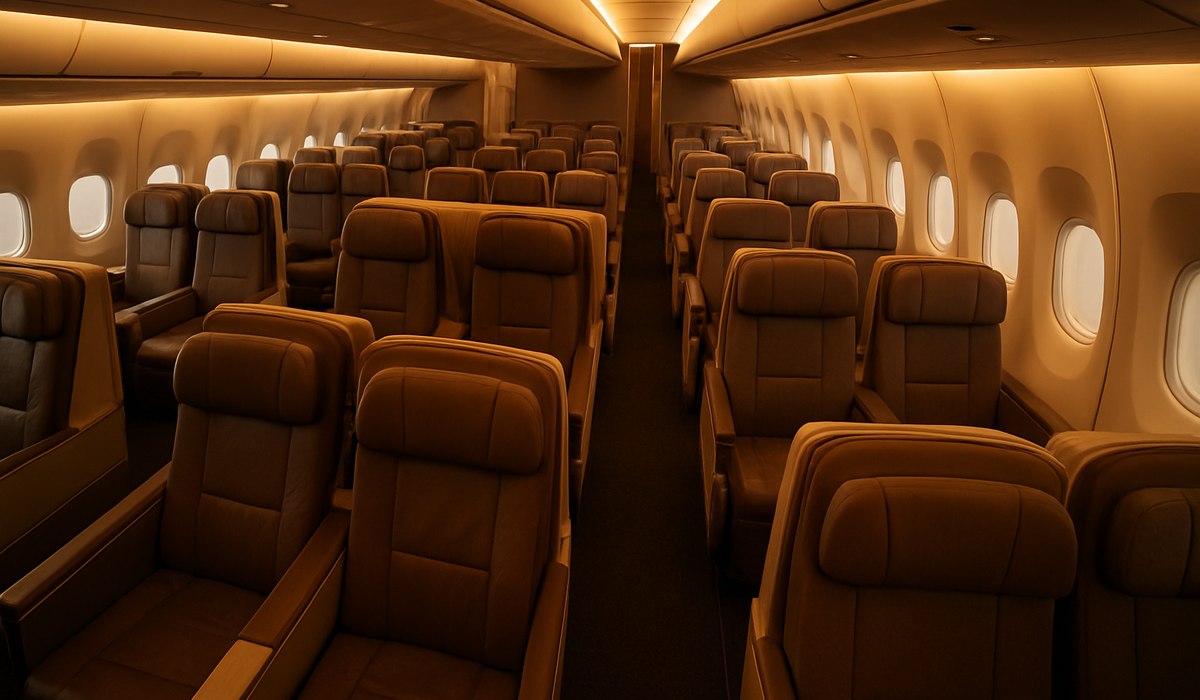
Image generated by AI
United Airlines Introduces Stripped-Down Premium Cabin Pricing Model
United Airlines is fundamentally transforming premium cabin economics by launching a three-tier fare structure for its Polaris business class and Premium Plus premium economy offerings. Announced in early April 2026, this industry-leading strategy applies basic economy logic to front-cabin seats, allowing passengers to select between Base, Standard, and Flexible ticket tiers. The Base Fare option—the most aggressive pricing tier—removes traditionally bundled amenities, marking a watershed moment in how legacy carriers monetize premium travel.
This move represents United's boldest unbundling strategy yet, extending the revenue model that proved successful in economy cabins directly into premium segments. Airlines worldwide are watching closely as United tests whether affluent and business travelers will accept stripped-down premium experiences at lower price points.
United's New Three-Tier Fare Structure
United Airlines introduce this revolutionary pricing framework to maximize revenue while capturing price-sensitive premium passengers. The three tiers function as follows:
Base Fare represents the entry point, offering seat access without traditionally included amenities. Standard Fare restores core premium benefits that passengers expect in business and premium economy cabins. Flexible Fare provides full perks, schedule change privileges, and premium service guarantees.
This stratification allows corporate travel managers and leisure passengers to optimize spend based on trip requirements. A short-haul business traveler might accept Base Fare for a quick connection, while international passengers prioritize Standard or Flexible options for enhanced comfort.
The structure directly mirrors United's successful basic economy rollout, which generated significant ancillary revenue. By applying this framework to premium cabins—where per-seat margins are substantially higher—United positions itself ahead of American Airlines, Delta Air Lines, and Southwest Airlines in premium monetization strategies.
What Perks Are Being Cut From Base Fares?
Base Fare tickets eliminate several traditionally standard amenities across both Polaris and Premium Plus cabins. Passengers purchasing Base tickets typically forfeit priority meal service, advanced seat selection, baggage priority handling, and certain premium ground amenities.
Specifics vary by cabin class. Polaris Base Fare travelers retain lie-flat seats and direct aisle access but lose premium bedding upgrades, priority boarding, and lounge access. Premium Plus Base Fare passengers keep enhanced seating but sacrifice priority baggage handling and preferred meal selections.
United's strategy assumes price-conscious premium passengers—particularly corporate bookers—will accept modest service reductions for meaningful fare reductions. The carrier reports that Base Fares undercut Standard options by 15-25 percent, creating genuine savings for cost-conscious travelers.
This approach represents a calculated risk. Premium cabin passengers traditionally expect comprehensive service; stripping amenities requires careful messaging to avoid brand damage. Industry observers note that United's reputation for customer service could suffer if Base Fare passengers feel nickeled-and-dimed throughout their journeys.
How This Compares to Competitor Offerings
Major U.S. carriers have tested similar unbundling but lack United's aggressive premium cabin restructuring. American Airlines offers basic business class fares with limited perks but maintains traditional bundled options. Delta Air Lines emphasizes premium experience consistency across fare tiers, resisting aggressive unbundling.
International carriers like Lufthansa and Air France employ sophisticated dynamic pricing for premium cabins but maintain service floor standards that prevent aggressive perk stripping. Their approach generates revenue through premium positioning rather than unbundling.
United's move distinguishes itself through transparency and structural clarity. Rather than hidden restrictions or opaque terms, the three-tier system clearly delineates what passengers receive. This transparency—combined with meaningful price differentiation—differentiates United's strategy from competitors' more conservative approaches.
Industry analysts suggest competitors will eventually adopt similar models. The question isn't whether three-tier premium pricing becomes industry standard, but how quickly other carriers implement comparable structures. United's first-mover advantage could establish favorable market positioning if premium passengers embrace the tiered model.
What This Means for Premium Travelers
Premium cabin passengers face expanded decision-making complexity but potentially significant savings opportunities. The three-tier structure rewards strategic purchasing behavior while penalizing passengers accustomed to automatic premium inclusions.
Corporate travel programs must reassess preferred airline relationships and fare negotiation strategies. Travel managers need to understand exactly which perks their employees forfeit when selecting Base Fares versus Standard options. Ambiguity in this space creates operational friction and passenger frustration.
Leisure premium passengers should evaluate their actual service priorities before defaulting to full-service Standard or Flexible fares. Many infrequent premium travelers purchase these options reflexively without utilizing included amenities. Base Fares enable meaningful savings for passengers willing to genuinely prioritize costs over convenience.
For business travelers, the question centers on whether Base Fare restrictions—particularly lounge access and priority boarding—substantially impact overall trip quality. Short-haul flights might accommodate Base Fare restrictions; long-international routes create different cost-benefit calculations.
United's move also signals broader industry direction toward premium cabin à la carte pricing. Expect future innovations that further disaggregate premium experiences into separately priced components, potentially expanding choices while complicating purchasing decisions further.
Key Premium Cabin Pricing Comparison
| Carrier | Polaris/Business Base | Premium Economy Base | Unbundling Strategy | Lounge Access | Priority Meal |
|---|---|---|---|---|---|
| United Airlines | New 2026 Launch | New 2026 Launch | Aggressive three-tier | Base: No | Base: Standard |
| American Airlines | Limited offering | Not standard | Conservative bundling | Yes, standard | Yes, standard |
| Delta Air Lines | Service-consistent | Service-consistent | Bundled approach | Yes, standard | Yes, standard |
| Lufthansa | Premium positioning | Full-service standard | Modest unbundling | Yes, standard | Yes, standard |
| Air France | Experience-focused | Bundled amenities | Service consistency | Yes, standard | Yes, standard |
Traveler Action Checklist
Premium cabin passengers should take these steps to navigate United's new pricing structure:
-
Audit current premium travel patterns — Track which included amenities you consistently use when flying premium cabin. Identify amenities you genuinely value versus those you ignore.
-
Compare actual fare differences — United Airlines introduce Base Fares at meaningful discounts. Calculate total savings versus Standard and Flexible options for upcoming trips.
-
Evaluate trip-specific requirements — Assess whether each specific journey benefits from premium amenities or whether Base Fare restrictions create genuine inconvenience.
-
Review corporate travel policy implications — If you manage company travel, ensure policies clearly address preferred tier selections and when Base Fares are appropriate versus prohibited.
-
Monitor competitor responses — Track whether American, Delta, and Southwest adopt comparable strategies, potentially offering better value in premium cabins during transition periods.
-
Document tier selection criteria — Establish clear personal or corporate guidelines dictating which fare tier fits different trip types, preventing indecisive, expensive-by-default selections.
-
Verify specific amenity exclusions — Before booking, confirm exactly which perks your selected tier includes or excludes, as United's communications continue evolving.
Frequently Asked Questions
What exactly does United Airlines introduce with these Base Fares?
United Airlines introduce three-tier pricing for Polaris business class and Premium Plus premium economy cabins. Base Fares strip amenities like premium meals, lounge access, and baggage priority, offering 15-25 percent savings versus Standard tiers. The structure mirrors successful basic economy unbundling applied to premium cabins.
Will Base Fare passengers still receive proper seating and cabin access?
Yes. Base Fare passengers retain cabin-appropriate seating (lie-flat seats in Polaris, enhanced seating in Premium Plus) and direct aisle access. The unbundling targets service amenities rather than fundamental cabin experiences, maintaining seat comfort and space advantages premium cabins provide.
Kunal K Choudhary
Co-Founder & Contributor
A passionate traveller and tech enthusiast. Kunal contributes to the vision and growth of Nomad Lawyer, bringing fresh perspectives and driving the community forward.
Learn more about our team →