
United Airlines A321XLR Seats 2026
United Airlines blocks two economy seats on its new Airbus A321XLR fleet. View the FAA staffing limits, cabin layouts, and seat upgrade tips.

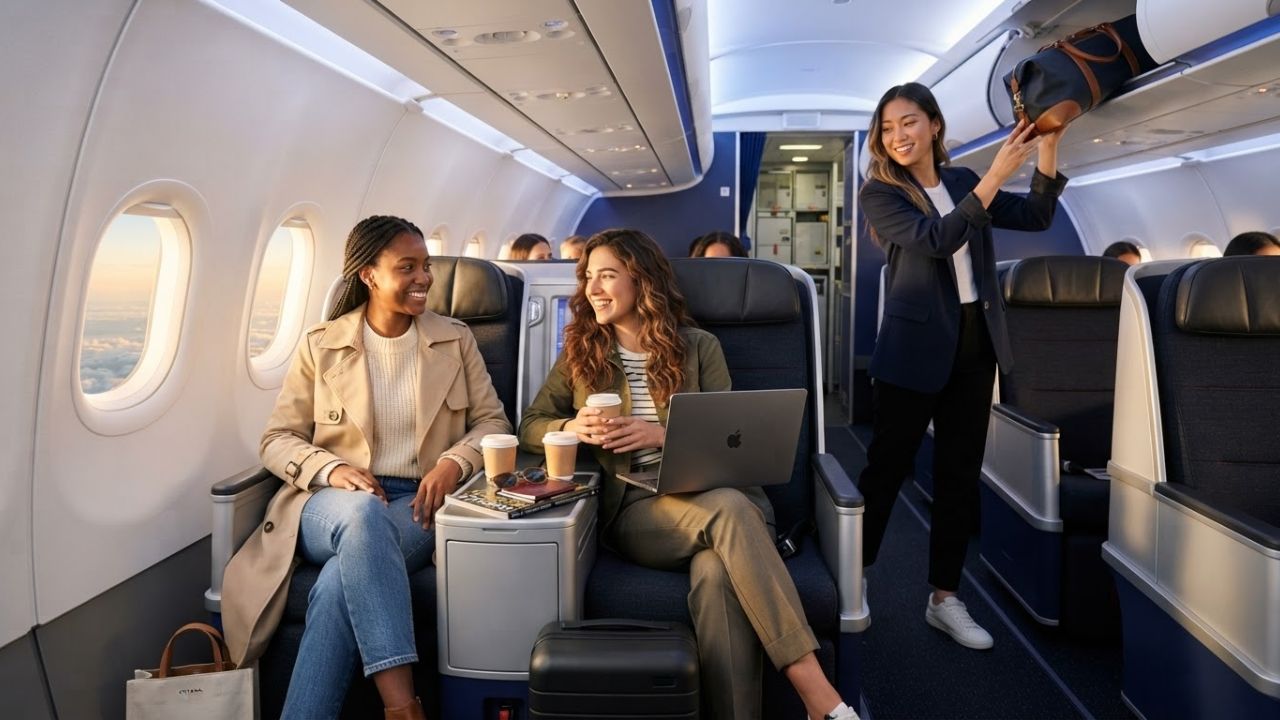
Image generated by AI
United Airlines Redesigns Airbus A321XLR Cabins and Blocks Two Economy Seats to Reduce Flight Crew Staffing Limits Under Federal Rules
United Airlines has adjusted the cabin configuration of its upcoming 50-aircraft Airbus A321XLR fleet, reducing total capacity from 152 to 150 seats. By removing two economy seats and blocking a middle seat row for premium passengers, the carrier reduces its cabin crew requirements under federal aviation rules.
The Core Transit Update
United Airlines has adjusted its aircraft cabin engineering design, revealing that its new fleet of Airbus A321XLR narrow-body passenger jets will feature a reduced seating layout. The Chicago-based international carrier has blocked two economy seats on each of the 50 narrow-body aircraft it has on order from Airbus. When the aircraft begin entering scheduled passenger service in 2026, the certified cabin limit will drop from 152 seats to exactly 150 seats.
This decision reflects a calculated adjustment under flight crew licensing rules managed by the Federal Aviation Administration (FAA). Under federal aviation safety codes, passenger airlines must staff their flights with at least one flight attendant for every 50 passenger seats, or fraction thereof, installed on the aircraft. An aircraft configured with 152 seats requires a minimum of four flight attendants, whereas capping the configuration at 150 seats allows the flight to be operated with only three crew members. This change provides the carrier with crew scheduling flexibility and lower trip operating expenses.
A321XLR Seating and Staffing Configurations
The seating capacities, layout features, and cabin crew requirements for the A321XLR fleet across major U.S. network carriers are compared in the table below:
| Airline Operator | Total Certified Capacity | Economy Seating Configuration | Premium/Blocked Row Features | FAA Crew Staffing Minimums | Primary Transatlantic Target |
|---|---|---|---|---|---|
| United Airlines | 150 seats | 3-3 configuration (modified) | Blocked middle seats with shared table | 3 Flight Attendants | Chicago O'Hare / Newark to Europe |
| American Airlines | 150+ seats (High density) | Standard 3-3 configuration | Standard extra-legroom seats | 4 Flight Attendants | East Coast Hubs to secondary Europe |
Traveler Logistics Guide (Information Gain)
- Seat Selection and Upgrade Timing:
- Economy Plus Upgrades: The new Economy Plus rows featuring the blocked middle seat will be open for bookings later in 2026. Because only a limited number of rows will feature this configuration, passengers should secure their seat assignments during the initial booking window. This is especially true for business travelers seeking additional workspace.
- Aisle Congestion Management: Single-aisle narrow-body aircraft like the A321XLR are prone to aisle bottlenecks during meal service. Passengers are advised to use the lavatories prior to flight attendants deploying service carts.
- Layover and Hub Connection Planning:
- Terminal Transits: Passengers flying transatlantic routes from Chicago O'Hare (ORD) or Newark Liberty (EWR) should verify their arrival terminals. Narrow-body flights from Europe may park at standard domestic concourses rather than international terminals, changing your connecting walk times by up to 20 minutes.
- Regulatory Check-in Disclosures: When checking in digitally or at airport kiosks, ensure your passport details match your airline profile. Under rules set by the United States Department of Transportation (DOT), international passenger lists must be verified at least 60 minutes before departure.
Infrastructure Impact Assessment
The introduction of the Airbus A321XLR represents a shift in long-haul aviation economics. Historically, transatlantic flights were operated by large wide-body aircraft, which require significant passenger volumes to remain profitable. The long-range capability of the A321XLR allows airlines to operate direct point-to-point flights connecting secondary markets that do not generate enough traffic to support a wide-body jet.
By adjusting the seat configuration to 150 seats, United is focusing on passenger yield rather than passenger volume. The premium revenue generated by selling the modified Economy Plus seats is expected to offset the revenue lost from the two removed seats. This capacity management strategy allows airlines to maintain profitable service on thin transatlantic routes, improving international travel connectivity for secondary cities without congesting large global hubs.
FAQ
Why is United Airlines removing two seats from its Airbus A321XLR fleet?
By reducing capacity from 152 to 150 seats, United limits the minimum required cabin crew to three flight attendants under federal rules, saving on operating expenses.
What is the new cabin design for United's Economy Plus?
The design features a modified row where the middle seat is blocked and replaced with a shared center table, providing more workspace and privacy.
When will these A321XLR aircraft enter service?
United's Airbus A321XLR aircraft are scheduled to enter commercial service starting in 2026, with premium Economy Plus seats open for bookings later that year.
Related Travel Guides
10 Best Travel Accessories for Long-Haul Flights, According to Reddit
Disclaimer
This article is for informational and educational purposes only. It does not constitute legal, financial, or professional advice. While we strive to provide accurate and up-to-date information, travel policies, regulations, and conditions change rapidly. Always verify information with official sources before making travel decisions. Nomad Lawyer makes no representations about the accuracy, reliability, completeness, or suitability of the information provided. Readers should consult qualified professionals for advice specific to their circumstances. The views expressed in this article are those of the author and do not necessarily reflect the views of Nomad Lawyer.
Kunal K Choudhary
Co-Founder & Contributor
A passionate traveller and tech enthusiast. Kunal contributes to the vision and growth of Nomad Lawyer, bringing fresh perspectives and driving the community forward.
Learn more about our team →