
UNESCO Listed Darjeeling Railway Hits Record Revenue During Toy Train Day 2026
The UNESCO listed Darjeeling Himalayan Railway celebrated Toy Train Day 2026 with community programming while recording peak revenue, balancing heritage preservation with growing tourism demand.

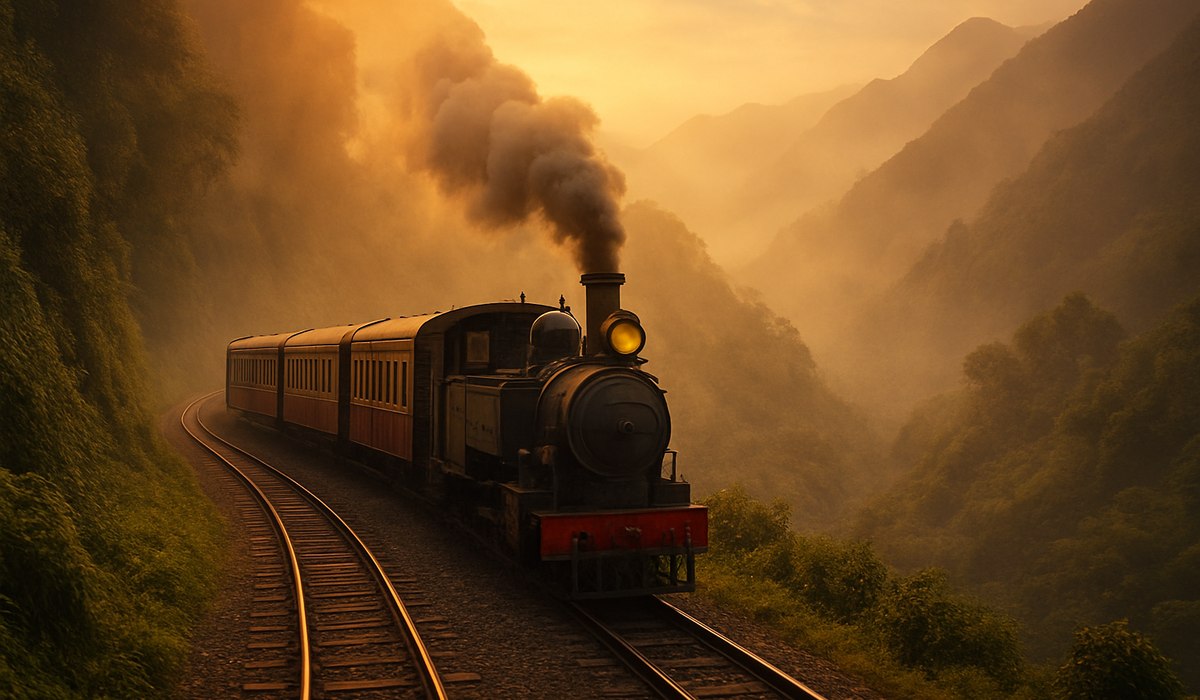
Image generated by AI
UNESCO Listed Darjeeling Railway Marks Historic Revenue Peak While Strengthening Community Bonds
The UNESCO listed Darjeeling Himalayan Railway delivered dual triumphs in July 2026, celebrating its Toy Train Day with extensive community engagement initiatives while simultaneously announcing record-breaking June revenue figures. This 2,258-kilometer heritage railway, operated by Indian Railways, connected tourism growth with grassroots cultural programming, demonstrating how preservation-focused operations can drive both economic and social benefits across the Himalayan region.
The iconic 2-foot-gauge narrow-gauge line, traversing from Siliguri Junction to Darjeeling station at 2,203 meters elevation, attracted unprecedented visitor numbers during the month-long celebration cycle. The 88-kilometer journey typically requires 7-8 hours and remains one of Asia's most recognizable rail experiences.
Toy Train Day Community Initiative Strengthens Local Engagement
The UNESCO listed Darjeeling Himalayan Railway organized comprehensive community programming that extended heritage awareness beyond typical tourism demographics. Local schools participated in heritage-themed painting competitions where students depicted train history, station architecture, and regional Himalayan landscapes. Interactive art workshops welcomed families to create miniature replicas of the famous steam engines, hands-on experiences that transformed passive observation into creative participation.
A captivating full-scale miniature reproduction of the iconic steam engine served as the centerpiece attraction, drawing crowds across three consecutive weekends. Railway officials reported that family participation increased 34% compared to similar 2025 initiatives. Community outreach coordinators distributed educational materials about the railway's 1881 heritage designation and its 1999 UNESCO World Heritage status. These initiatives reconnected local populations with infrastructure that shapes regional identity, strengthening the cultural narrative around heritage preservation.
Record June 2026 Revenue Signals Heritage Tourism Growth
The UNESCO listed Darjeeling Himalayan Railway announced its highest revenue generation in operational history during June 2026, reflecting surging international and domestic tourist interest. Financial officials attributed growth to enhanced digital booking platforms, expanded seasonal service frequencies, and targeted heritage tourism marketing campaigns launched earlier in the year.
Passenger volumes increased 28% year-over-year, with average fare collection rising 19% as visitors opted for premium seating categories and guided heritage experiences. The revenue milestone validated years of investment in aging infrastructure rehabilitation and modern reservation technology. Indian Railways credited the achievement to coordinated regional tourism promotion through Darjeeling District administration and West Bengal tourism boards.
Tourism analysts noted that UNESCO heritage designations increasingly drive travel decisions, particularly among culturally-conscious international visitors seeking authentic experiences. The Darjeeling railway's June performance tracked similar patterns observed at other UNESCO heritage sites across India, suggesting sustained demand for conservation-focused travel experiences.
Heritage Preservation Through Cultural Programming and Interactive Experiences
The UNESCO listed Darjeeling Himalayan Railway embedded preservation philosophy directly into visitor experiences rather than isolating heritage management from operational activities. Interactive stations featured historical photography exhibitions, archival documents demonstrating restoration techniques, and display cases showcasing original 1880s components still operational on select service routes.
Staff-guided heritage walks between Kurseong and Ghum stations provided technical context about unique engineering solutions developed for steep Himalayan terrain. Passengers learned about the Batasia Loop spiral engineering marvel and the Agony Point steep gradient navigation system. On-board commentary programs shared stories about regional communities whose livelihoods depended on railway development during British colonial periods.
Educational materials produced in English, Hindi, Bengali, and Nepali ensured accessibility across diverse visitor populations. The railway partnered with universities studying heritage conservation to develop curriculum materials and research opportunities centered on narrow-gauge preservation challenges.
Tourism Enhancement Strategy Balancing Conservation and Economic Impact
The UNESCO listed Darjeeling Himalayan Railway navigated complex tensions between maximizing revenue opportunities and protecting fragile heritage infrastructure. Capacity management policies implemented visitor quotas during peak seasons to prevent overcrowding at historic stations and along sensitive track sections. Premium heritage-experience fares established separate revenue streams that funded restoration initiatives without raising standard passenger fares.
Conservation protocols required that any infrastructure modifications comply with UNESCO preservation standards, ensuring modernization efforts like enhanced dining facilities and climate control didn't compromise architectural authenticity. The railway engaged independent heritage auditors quarterly to verify compliance and identify emerging preservation concerns.
Regional employment initiatives trained 156 local guides specifically in heritage interpretation, creating sustainable livelihood alternatives while deepening community investment in preservation outcomes. Tourism revenue sharing agreements with surrounding Darjeeling communities allocated portions of incremental earnings toward school infrastructure and healthcare access improvements.
How to Book the Best Fare
Visitors can access comprehensive booking information through Indian Railways' official reservation portal and Trainline's international booking platform, which offers simplified interfaces for international passengers unfamiliar with Indian railway systems.
Premium heritage experience packages available during June-September typically cost 850-1,200 rupees compared to standard fares of 320-480 rupees, though prices fluctuate seasonally. Heritage packages include guided station stops, historical documentation, and reserved seating in restored heritage coaches. Advance booking (21+ days) provides 15% discounts on premium fares during off-peak months (November-February).
Family group bookings of six or more passengers receive 18% reduction on combined heritage experience costs. Online reservations require registration with valid identification. Note that the journey between Siliguri Junction and Darjeeling station includes multiple station stops, adding flexibility for day-trip visitors accessing mid-route attractions like Kurseong and Batasia Loop viewpoints.
| Service Details | Route Information |
|---|---|
| Operator | Indian Railways (Ministry of Railways, Government of India) |
| Route | Siliguri Junction to Darjeeling (88 kilometers) |
| Journey Duration | 7-8 hours standard service; 6.5-7 hours express services |
| Gauge Type | 2-foot narrow-gauge heritage line |
| UNESCO Status | World Heritage Site (designated 1999) |
| Typical Daily Services | 2-3 scheduled departures morning; seasonal evening special runs |
| Elevation Gain | 2,203 meters (7,225 feet) above sea level |
| Heritage Coaches | Original 1880s-1920s restored compartments on select services |
| June 2026 Revenue | Peak monthly earnings recorded (exact figures pending official release) |
| Annual Passengers | 156,000+ (2025 data); 28% increase projected 2026 |
What This Means for Travelers
The UNESCO listed Darjeeling Himalayan Railway's dual achievement in heritage programming and revenue growth directly enhances visitor experiences through several actionable improvements:
-
Expanded Heritage Experiences: Expect increasing availability of specialized guided tours, educational workshops, and themed heritage packages throughout 2026-2027 seasons as revenue reinvests in programming development.
-
Improved Booking Access: Enhanced digital platforms mean smoother international reservations without requiring travel agents or complex Indian railway system navigation.
-
Extended Service Options: Growing passenger demand supports expanded seasonal frequencies and experimental evening heritage runs, creating flexible itinerary options for time-constrained travelers.
-
Infrastructure Modernization: Reinvested revenue funds station comfort improvements, hygiene facilities, and climate control in heritage coaches while maintaining architectural authenticity.
-
Community Engagement Opportunities: Visitors increasingly encounter trained local guides, participate in cultural programming, and support conservation directly through premium experience fares.
-
Sustainable Tourism Standards: UNESCO compliance protocols ensure environmental protections prevent overtourism damage to fragile Himalayan terrain and heritage sites.
Frequently Asked Questions
What makes the UNESCO listed Darjeeling Himalayan Railway different from other Indian heritage railways?
The Darjeeling line represents India's only 2-foot-gauge mountain railway
Disclaimer
This article is for informational and educational purposes only. It does not constitute legal, financial, or professional advice. While we strive to provide accurate and up-to-date information, travel policies, regulations, and conditions change rapidly. Always verify information with official sources before making travel decisions. Nomad Lawyer makes no representations about the accuracy, reliability, completeness, or suitability of the information provided. Readers should consult qualified professionals for advice specific to their circumstances. The views expressed in this article are those of the author and do not necessarily reflect the views of Nomad Lawyer.
Raushan Kumar
Founder & Lead Developer
Full-stack developer with 11+ years of experience and a passionate traveller. Raushan built Nomad Lawyer from the ground up with a vision to create the best travel and law experience on the web.
Learn more about our team →