
Ukrainian Drone Strike Hits TANECO Refinery in Tatarstan: Russia Industrial Heartland Travel Alert 2026
A Ukrainian drone strike targeting the TANECO refinery in Nizhnekamsk, Tatarstan, raises security concerns for Russia's industrial heartland, potentially impacting regional airspace and fuel logistics.

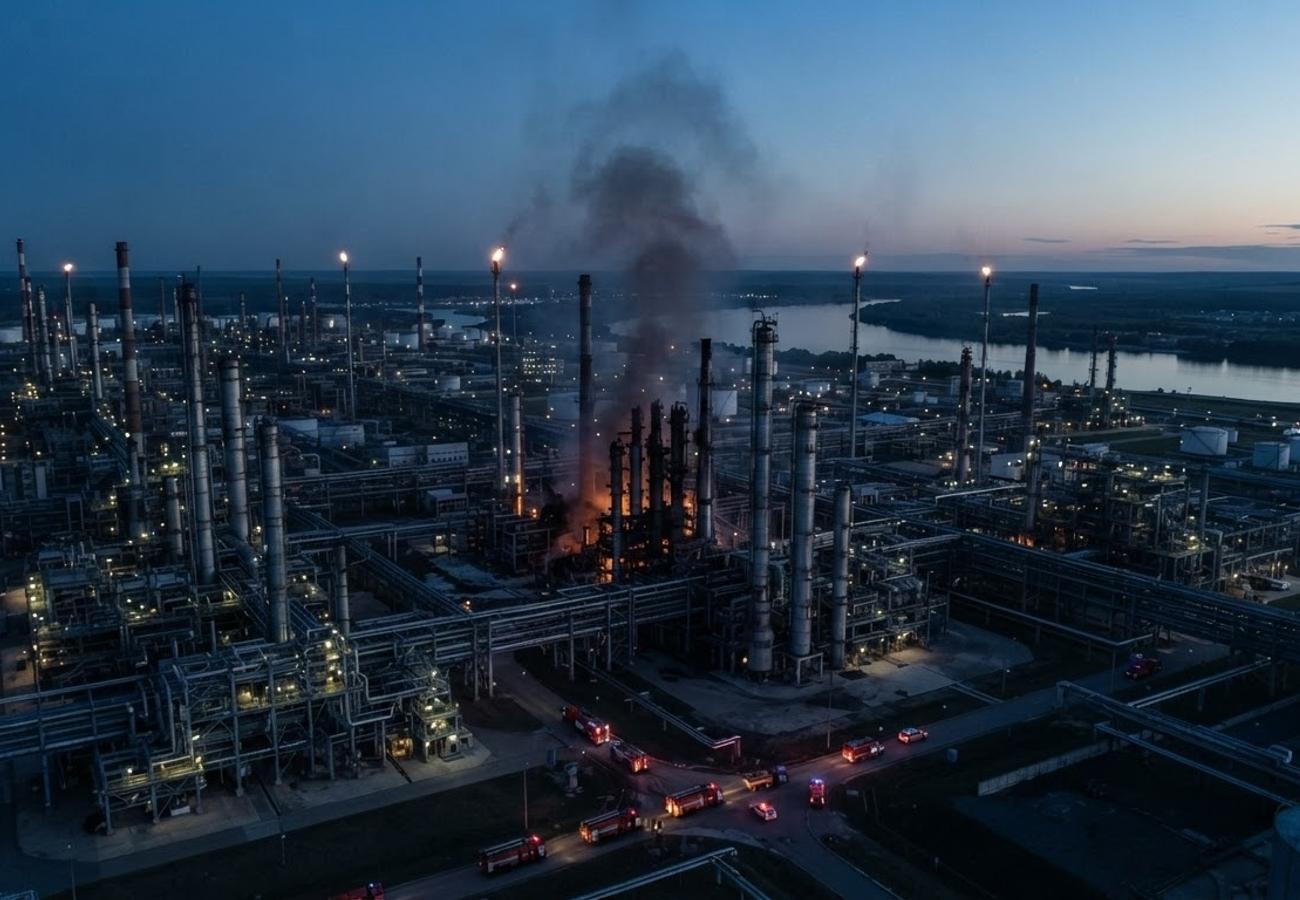
Image generated by AI
Security alerts are active for the Republic of Tatarstan following a Ukrainian drone strike on the TANECO oil refinery in Nizhnekamsk. While major airport shutdowns are not currently reported, the incident signals a heightened risk of airspace restrictions and logistical disruptions deep within Russian territory.
Industrial Strike in Nizhnekamsk
On August 10, 2026, Ukrainian drone activity was reported over the industrial zone of Nizhnekamsk, specifically targeting the TANECO oil refinery. The facility is a critical piece of Russia's energy infrastructure, with an annual design capacity exceeding 16 million tonnes.
The attack occurred in the early hours of Monday, marking a significant escalation in the geographical reach of long-range drone operations. Tatarstan is located approximately 1,400 kilometres from Ukrainian-held territory, indicating that industrial hubs far from the frontline are now active targets.
While some unverified reports suggest 12 fatalities and 39 casualties, our analysis indicates these figures are unsubstantiated. Data suggests these numbers may be conflated with a separate industrial fire at the Nizhnekamskneftekhim plant that occurred earlier this year. No official confirmation of casualties for the August 10 strike has been released by authoritative sources.
Aviation and Infrastructure Impact Breakdown
Flight tracking systems and local reports indicate that while passenger flights have not been broadly suspended, the security environment remains volatile.
- Airspace Risk: Drone activity often triggers temporary "no-fly" zones or sudden airspace closures. This can result in holding patterns, diversions, or departure delays for flights into Kazan and other regional hubs.
- Airport Status: Begishevo Airport (serving Nizhnekamsk) and Kazan's international gateways remain operational, but security screenings may be intensified.
- Fuel Logistics: TANECO is a primary refining hub. Previous strikes in June led to the suspension of crude processing. Repeated hits to this infrastructure can create regional fuel shortages and pressure diesel/petrol distribution for road transport.
- Ground Transport: Access to industrial zones in Nizhnekamsk may be restricted by security forces, affecting business travel and freight movements.
| Incident Metric | Status |
|---|---|
| Drone Attack Location | Nizhnekamsk, Tatarstan |
| Primary Target | TANECO Refinery |
| Date of Occurrence | 10 August 2026 |
| Casualty Reports | Unverified / Not Independently Confirmed |
| Airport Status | Operational (with potential for short-term delays) |
| Regional Risk Level | Elevated (Industrial/Airspace) |
Passenger Rights & Advisory
For passengers traveling to or through the Republic of Tatarstan, the current security climate necessitates a proactive approach to travel management.
Air Travel and Rebooking If your flight is diverted or canceled due to airspace closures resulting from security threats, our analysis of aviation policy suggests the following:
- For the affected passenger, this means that while "extraordinary circumstances" (such as military action or security threats) often exempt airlines from paying cash compensation under frameworks like EU261, the airline is still obligated to provide a "duty of care." This includes meals, communications, and hotel accommodation if you are stranded overnight.
- Rebooking Rights: You are entitled to a choice between a full refund or re-routing to your final destination at the earliest opportunity.
Operational Recommendations
- Verification: Check flight status via official airline apps or FlightAware immediately before departing for the airport.
- Documentation: Maintain offline copies of all travel documents and hotel vouchers, as mobile connectivity can be intermittently restricted during security alerts.
- Buffer Time: Allow an additional 2-3 hours for airport security and check-in procedures to account for heightened screening.
- Fuel Planning: For those utilizing rental cars or private transport, plan refueling in advance, as refinery disruptions can lead to localized queues at fuel stations.
Industry Analyst View
The strike on TANECO represents a strategic shift in the conflict's geography. By targeting facilities 1,400 kilometres from the front, the operational risk has shifted from "border-zone" to "industrial-core."
From a travel disruption perspective, the primary risk is no longer just ground combat, but the "ripple effect" of infrastructure failure. When a refinery of TANECO's scale is compromised, the impact manifests as fuel price volatility and logistical bottlenecks. Furthermore, the unpredictability of drone incursions makes the airspace over the Volga region unstable, increasing the likelihood of sudden tactical closures that disrupt commercial aviation schedules.
Monitoring of regional aviation notices (NOTAMs) is advised for all operators in the Russian interior.
Related Travel Guides
Disclaimer
This article is for informational and educational purposes only. It does not constitute legal, financial, or professional advice. While we strive to provide accurate and up-to-date information, travel policies, regulations, and conditions change rapidly. Always verify information with official sources before making travel decisions. Nomad Lawyer makes no representations about the accuracy, reliability, completeness, or suitability of the information provided. Readers should consult qualified professionals for advice specific to their circumstances. The views expressed in this article are those of the author and do not necessarily reflect the views of Nomad Lawyer.
Kunal K Choudhary
Co-Founder & Contributor
A passionate traveller and tech enthusiast. Kunal contributes to the vision and growth of Nomad Lawyer, bringing fresh perspectives and driving the community forward.
Learn more about our team →