
UK Tourism to Peru Expands 12% in 2026 as British Travelers Average 15-Day Stays and $2,259 Spend
British travelers to Peru grew 12% to 43,918 arrivals between January and July 2026, averaging 15 days and $2,259 spend across Cusco, Lima, and Kuélap.

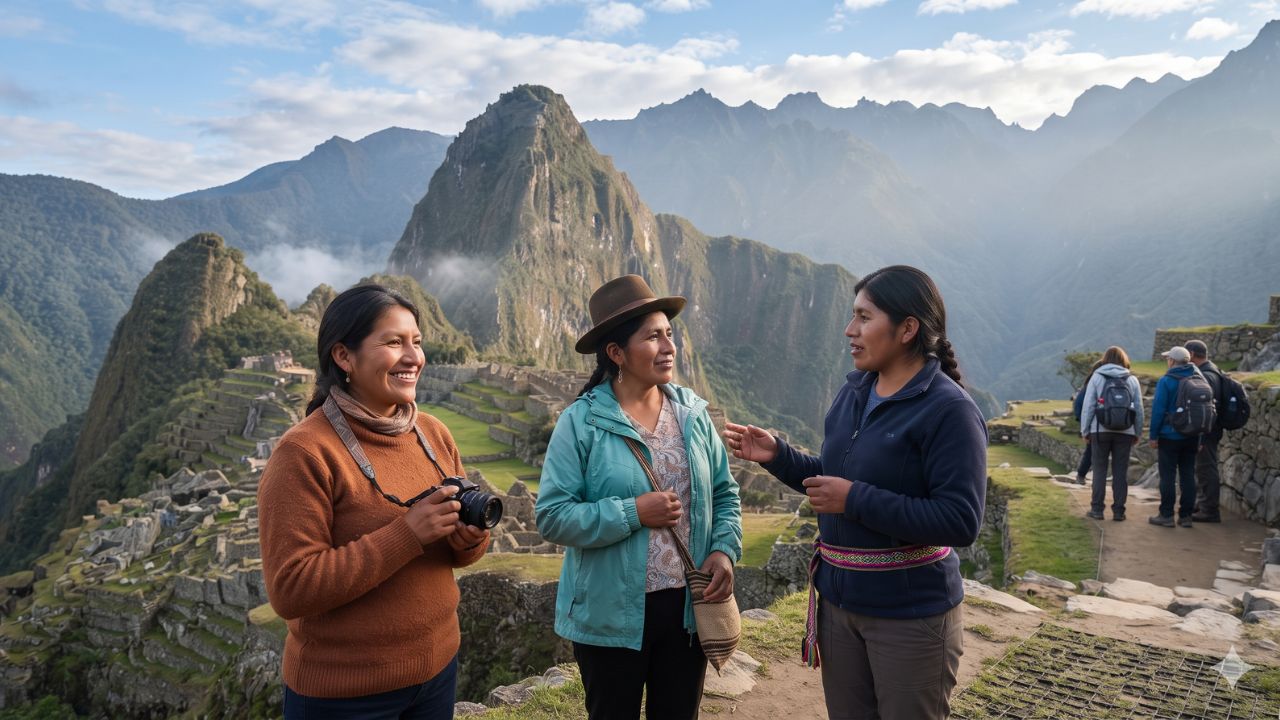
Machu Picchu in Peru anchoring high-yield international leisure tourism and conservation quotas
Averaging 15 days per journey and spending an extraordinary $2,259 (£1,680) per traveler, British visitors drove a 12% year-on-year surge to reach 43,918 arrivals across Peru between January and July 2026. Outpacing the international global baseline of 10 nights, the United Kingdom market has crystallized into one of South America’s most lucrative inbound demographics. Stimulated by targeted aviation capacity and the international rollout of the flagship "Peru Wow" global promotional campaign by PROMPERÚ, British vacationers are reshaping travel spending throughout the Andes and the Amazon basin.
The UK's double-digit expansion coincides with a broader macroeconomic recovery across Peru’s visitor economy. Following post-pandemic lows of just 444,000 foreign arrivals in 2021, nationwide international visitation climbed steadily to 2.01 million in 2022, 2.52 million in 2023, and reached 3.42 million visitors in 2025, generating $5.35 billion in foreign exchange receipts. Long-term labor projections from the World Travel & Tourism Council (WTTC) indicate that tourism activity now sustains over 1.17 million Peruvian jobs—an 8.4% expansion above pre-2020 employment benchmarks.
The High-Yield Traveler: Decoding the Economics of the 15-Day Itinerary
What sets British travelers apart in South American tourism accounting is their spending distribution. Rather than booking compressed, high-speed 48-hour city breaks, UK travelers dedicate more than two full weeks to in-country exploration. During July 2026—the peak dry-season trekking window in the high Andes—monthly international entries into Peru surpassed 327,000, driven heavily by European long-haul vacationers.
By distributing time across multi-day walking expeditions and community homestays, British travel spend filters directly into rural transport collectives, certified trekking porters, regional artisanal cooperatives, and family-operated eco-lodges. While American travelers frequently concentrate spending in luxury international hotels in Lima and Cusco, British itineraries incorporate extensive rail journeys, community conservation zones in Lake Titicaca, and backcountry Amazonian research stations.
Aviation logistics remain heavily centered on Lima’s Jorge Chávez International Airport (LIM), which handles nearly four out of every five international arrivals (roughly 80%). The coastal capital acts as an essential culinary buffer, where visitors spend multiple days exploring world-renowned dining in Miraflores and architectural conservation in Barranco before acclimating to Andean altitudes.
Macro Recovery Metrics and Regional Dispersal: Classic vs. Emerging Circuits
While historic strongholds retain overwhelming market dominance, managing environmental carrying capacity has become a primary national priority. Cusco and the Sacred Valley of the Incas capture approximately 37% of all foreign tourist room nights, anchored by the UNESCO World Heritage citadel of Machu Picchu, which welcomed over 1.54 million visitors in 2025 alone.
To counter structural wear and overcrowding at Machu Picchu, Peruvian authorities and the UNESCO World Heritage Centre have instituted strict circuit ticketing rules, fixed time slots, and non-negotiable daily capacity caps. Concurrently, PROMPERÚ’s "Peru Wow" initiative is aggressively diverting foot traffic toward northern and central heritage corridors.
| Tourism Metric / Corridor | Official Statistical Benchmark | Geographic Concentration | Infrastructure & Management Controls |
|---|---|---|---|
| UK Arrivals (Jan–Jul 2026) | 43,918 travellers (+12% YoY) | Nationwide inbound entries | Direct long-haul & European hub flights |
| Average UK Trip Spend | $2,259 USD (£1,680 GBP) | High-yield decentralized spend | Distributed across rural guides, lodging, crafts |
| Average Length of Stay | 15 days (vs. 10-day global average) | Multi-region circuit itineraries | Extended trekking routes & regional homestays |
| National Foreign Revenue (2025) | $5.35 Billion (+4.9% growth) | 3.42 million total foreign arrivals | Foundational post-pandemic economic recovery |
| Tourism Sector Employment | Over 1.17 Million Peruvian Jobs | WTTC labor market benchmark | 8.4% expansion above pre-2020 levels |
| Cusco & Sacred Valley Share | Captures ~37% of all foreign stays | Southern Andean tourist circuit | Machu Picchu: 1.54M visitors; strict circuit caps |
| Lima Transit Concentration | Nearly 4 in 5 overseas travelers (80%) | Jorge Chávez International Airport | Primary hub for Miraflores dining & flights |
| Kuélap Fortress (Amazonas) | 6th-century Chachapoya settlement | 3,000-metre limestone mountain ridge | High-altitude cable car; structural wall stabilization |
| Sacred City of Caral | Over 5,000 years old (pre-ceramic) | Supe Valley coastal desert | UNESCO archaeological site; low-density access |
| Choquequirao Backcountry | High-altitude Apurímac Canyon | Multi-day wilderness trekking trail | Uncrowded alternative; proposed tram debated |
Prominent among these alternative routes is Kuélap Fortress in the Amazonas region. Perched on a 3,000-metre limestone ridge, this 6th-century walled city built by the Chachapoya civilization has reopened key archaeological sectors following extensive slope stabilization and masonry reconstruction. Accessible via high-altitude aerial cable car, Kuélap provides an awe-inspiring alternative to Cusco without the acute crowding. Nearby, the Gocta Waterfall—one of the world's tallest cataracts—features community-managed trails protecting endemic wildlife like the Marvellous Spatuletail hummingbird.
Expert Analysis: The Carrying Capacity Paradox at Machu Picchu
The explosive growth of high-spending European tourism creates a delicate policy dilemma for Peruvian tourism authorities: how to expand inbound tourism revenue while enforcing physical preservation limits on fragile archaeological assets.
For travelers booking this route, the direct consequence is an operational imperative to secure Machu Picchu circuit permits up to six months in advance or face strict exclusion under rigorous dynamic entry quotas. The National Ministry of Culture has eliminated open-ended roaming on the citadel, dividing visits into rigid, timed circuits. A traveler arriving in Aguas Calientes without a confirmed pre-booked circuit reservation cannot purchase same-day access at the gate.
The pricing pressure this creates means that luxury rail tickets on the Belmond Hiram Bingham and boutique hacienda rates in the Sacred Valley escalate rapidly during the May-to-September Andean dry season. As affluent British travelers compete for finite permit allocations and high-end hotel rooms in Ollantaytambo and Urubamba, price inflation pushes independent backpackers toward strenuous alternative treks like the multi-day wilderness route to Choquequirao in the Apurímac Canyon.
Simultaneously, the proposed construction of an aerial cable car to Choquequirao remains intensely debated. While infrastructure investors view a tramway as the ultimate solution to disperse mass tourism away from Machu Picchu, conservationists caution that rapid industrial access could replicate Cusco's commercial congestion within a delicate alpine ecosystem.
Regional Travel Planning and Altitude Management
Planning a comprehensive 15-day Peruvian journey requires understanding the country's extreme geographical variation. Coastal Lima, high-altitude Andean passes exceeding 4,000 meters, and humid Amazonian river basins in Madre de Dios demand distinct preparation.
Travelers arriving via Jorge Chávez International Airport should spend 48 hours at intermediate elevations—such as Arequipa (2,325 meters) or the Sacred Valley (2,870 meters)—before ascending to Cusco (3,400 meters) or Lake Titicaca (3,812 meters). Proper acclimatization mitigates acute mountain sickness (soroche), protecting travel investments.
International visitors must also verify health regulations. Yellow fever vaccinations are recommended for travelers heading to Tambopata National Reserve or Manu Biosphere Reserve via Puerto Maldonado, while routine travel insurance covering high-altitude trekking evacuation remains essential for hikers on the Inca and Salkantay trails.
Key Takeaways
- Double-Digit UK Inbound Growth: British arrivals rose 12% to 43,918 travelers between January and July 2026, establishing the UK as a premier high-value market.
- Extended Stays & High Expenditure: UK vacationers average 15 days in Peru and spend $2,259 (£1,680), far exceeding the 10-night global traveler norm.
- Macroeconomic Tourism Recovery: Peru welcomed 3.42 million visitors in 2025, generating $5.35 billion and supporting over 1.17 million jobs (+8.4% over pre-2020 levels).
- Machu Picchu Capacity Limits: Enforcing rigid timed circuit quotas at Machu Picchu protects archaeological integrity, driving travelers toward Kuélap and Choquequirao.
- Northern Circuit Expansion: The "Peru Wow" campaign successfully diverts long-haul visitors to northern jewels, including the restored 6th-century fortress of Kuélap and Gocta Waterfall.
FAQ: UK Travel to Peru 2026
How many British tourists visited Peru in 2026?
Between January and July 2026, 43,918 British travelers visited Peru, marking a 12% increase compared to the same period in 2025.
What is the average trip duration and spend for UK travelers in Peru?
British visitors stay an average of 15 days—compared to the 10-day global average—and spend an average of $2,259 (£1,680) per traveler.
Why are permits for Machu Picchu strictly regulated?
Peruvian authorities enforce timed circuit entry quotas to protect the UNESCO World Heritage site from structural erosion and overcrowding, requiring reservations months in advance.
What alternative ruins are open for visitors seeking to avoid crowds?
Kuélap Fortress in the Amazonas region offers restored 6th-century Chachapoya architecture accessible by cable car, while Choquequirao provides a rugged, multi-day wilderness trek.
[From the cloud forests of Kuélap to the historic terraces of the Sacred Valley, Peru's 2026 tourism boom proves that cultural depth and extended exploration create South America's most rewarding journeys.]
Related Travel Guides
- Colombia Dominates 2026 World Travel Awards as Boyacá, Cartagena, and Bogotá Sweep Top Regional Honours
- JetBlue Inaugurates Daily Fort Lauderdale–Cali Flights on Airbus A320 as Colombian Footprint Expands to Four Cities
- Top 10 High Altitude Treks and Ancient Ruins in Northern Peru According to Reddit
Disclaimer
This article is for informational and educational purposes only. It does not constitute legal, financial, or professional advice. While we strive to provide accurate and up-to-date information, travel policies, regulations, and conditions change rapidly. Always verify information with official sources before making travel decisions. Nomad Lawyer makes no representations about the accuracy, reliability, completeness, or suitability of the information provided. Readers should consult qualified professionals for advice specific to their circumstances. The views expressed in this article are those of the author and do not necessarily reflect the views of Nomad Lawyer.
Kunal K Choudhary
Co-Founder & Contributor
A passionate traveller and tech enthusiast. Kunal contributes to the vision and growth of Nomad Lawyer, bringing fresh perspectives and driving the community forward.
Learn more about our team →