
Uganda and South Africa Lead African MICE Tourism Expansion with Massive 2026 Infrastructure Investments
Uganda, South Africa, and Angola are aggressively expanding MICE (Meetings, Incentives, Conferences, and Exhibitions) infrastructure in 2026 to capture high-value corporate travel and diversify economic growth.

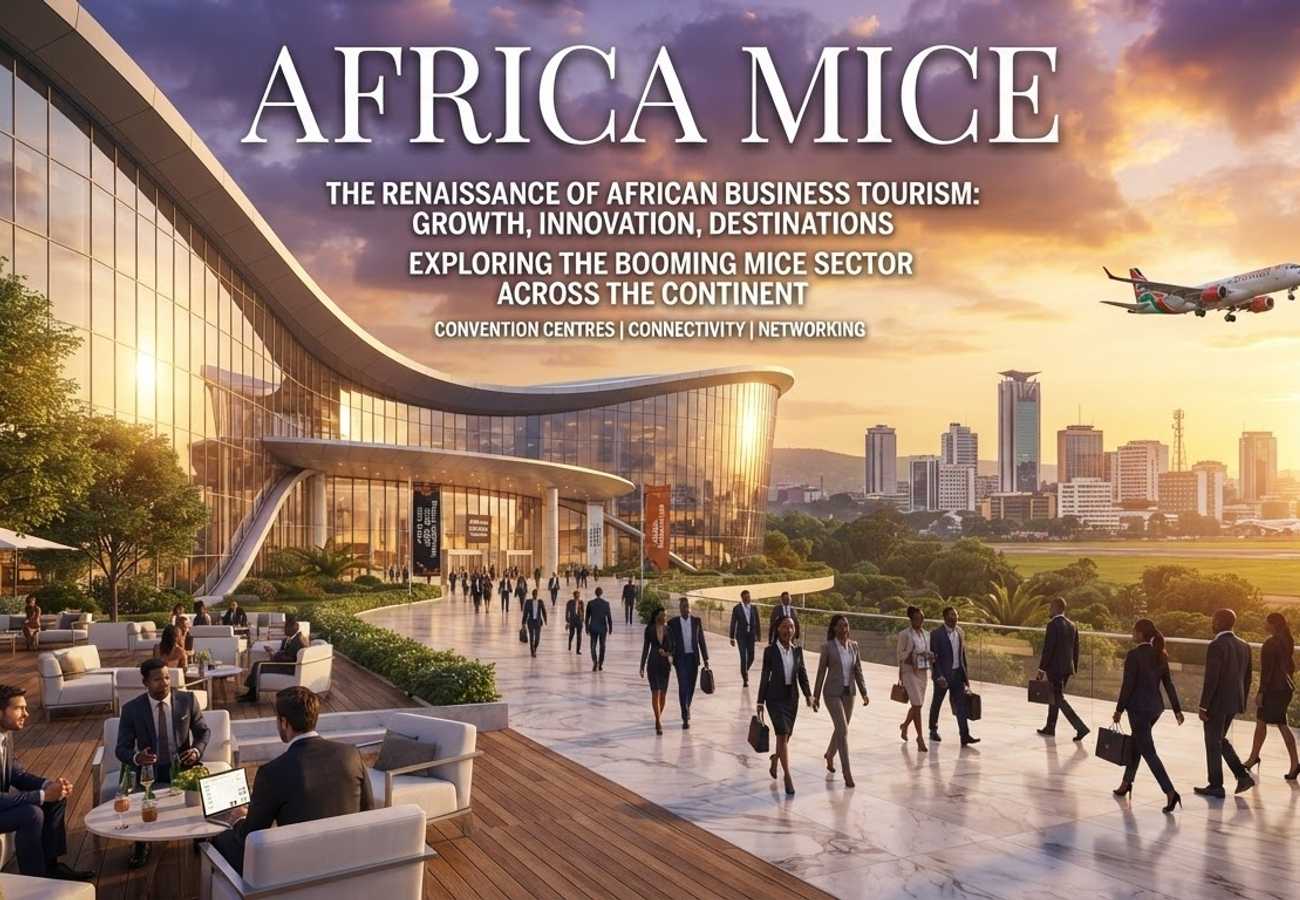
Image generated by AI
African nations are pivoting toward high-yield corporate travel, moving beyond traditional leisure models to capture the lucrative MICE (Meetings, Incentives, Conferences, and Exhibitions) market. From multibillion-dollar agribusiness links in Uganda to massive new convention hubs in Angola, the continent is redesigning its infrastructure to attract global delegates.
Uganda Leverages Coffee Exports and Aviation Expansion
Uganda is redefining its business tourism narrative by linking two powerhouse sectors: agribusiness and aviation. The country has transformed its coffee industry into a primary driver for commercial travel, exporting approximately 8.8 million 60-kilogram bags valued at US$2.4 billion in the year ending April 2026.
This economic surge provides a unique foundation for "origin experiences." By hosting investment forums, processing tours, and specialized coffee events, Uganda is converting agricultural success into high-spend corporate tourism.
Supporting this growth is a strategic expansion of Uganda Airlines. In August 2026, the carrier launched scheduled services to Kigali (daily) and Accra (four times weekly). The Accra route is particularly vital, as it bridges East and West Africa, positioning Kampala and Entebbe as competitive hubs for pan-African corporate gatherings.
South Africa Capitalizes on Scale and Leisure Integration
South Africa continues to dominate the region through sheer scale and an established corporate ecosystem. Between January and June 2026, the nation recorded 5,584,473 international arrivals, a 12.3% year-on-year increase. Notably, arrivals from within Africa grew by 14.3%, while overseas tourism rose by 5.6%.
The strategy here is "bleisure"—the blending of business and leisure. By utilizing world-class infrastructure in Johannesburg, Cape Town, and Durban, South Africa encourages delegates to extend professional trips into luxury safaris, vineyard tours, and coastal excursions.
Angola’s Bold Leap into International Events
Angola has officially entered the high-stakes conference market with the inauguration of the Luanda Convention Palace on August 24, 2026. Located in Chicala and opened by President João Lourenço, the 80,000-square-meter complex represents a shift away from a reliance on temporary hotel facilities.
The facility includes:
- A multipurpose theatre for 3,000 attendees.
- A dedicated 375-seat conference hall.
- 12 specialized working rooms for simultaneous diplomatic or corporate sessions.
- Comprehensive catering and parking infrastructure.
This investment positions Luanda as a primary destination for political summits and scientific forums, though the long-term success will depend on the parallel growth of local hotel capacity and aviation links.
Diversification Strategies in Zanzibar and The Gambia
In East Africa, Zanzibar is shifting its focus from pure resort tourism to an integrated business ecosystem. With agriculture contributing 24.3% of the GDP in 2024 and supporting 70% of the population, the island is targeting sustainable tourism conferences and agricultural investment meetings.
Meanwhile, The Gambia is looking to diversify away from European winter-sun seasonality by targeting the West African corporate market. The primary target is Nigeria, specifically the dense corporate hub of Lagos. By offering executive retreats and incentive programs, The Gambia aims to attract Nigerian firms seeking compact, coastal locations for strategy sessions.
Strategic MICE Investment Mapping 2026
| Destination | 2026 Business Tourism Driver | Strategic Opportunity |
|---|---|---|
| Angola | New Luanda Convention Palace | International conferences, summits and corporate events |
| South Africa | 12.3% H1 international tourism growth | Expand established MICE and incentive market |
| Tanzania/Zanzibar | Tourism and productive-sector integration | Investment, sustainability and incentive events |
| Uganda | New Accra and Kigali flights | Stronger African corporate connectivity |
| Uganda | Coffee exports worth about US$2.4 billion | Agribusiness travel and specialist events |
| The Gambia | Regional corporate-market opportunity | West African meetings and incentive tourism |
The Economic Impact of MICE Tourism
The shift toward MICE tourism is driven by the higher spending patterns of business travelers compared to leisure tourists. A single international delegate generates revenue across multiple sectors:
- Professional Services: Demand for audiovisual production, simultaneous interpretation, and security.
- Hospitality: Increased occupancy for high-end hotels and specialized catering.
- Logistics: Higher utilization of airport transfers and corporate transport.
- Seasonality Hedge: Business events often occur during traditional leisure off-peaks, ensuring year-round revenue for hotels and resorts.
Africa's strategic pivot toward corporate infrastructure marks a transition from being a destination for sightseers to a global hub for decision-makers.
Related Travel Guides
Disclaimer
This article is for informational and educational purposes only. It does not constitute legal, financial, or professional advice. While we strive to provide accurate and up-to-date information, travel policies, regulations, and conditions change rapidly. Always verify information with official sources before making travel decisions. Nomad Lawyer makes no representations about the accuracy, reliability, completeness, or suitability of the information provided. Readers should consult qualified professionals for advice specific to their circumstances. The views expressed in this article are those of the author and do not necessarily reflect the views of Nomad Lawyer.
Preeti Gunjan
Contributor & Community Manager
A passionate traveller and community builder. Preeti helps grow the Nomad Lawyer community, fostering engagement and bringing the reader experience to life.
Learn more about our team →