
Türkiye and Switzerland Align on Global Aviation Safety Standards at 2026 IATA World Safety Conference
Turkish Airlines and international regulators convene in Istanbul to balance AI-driven flight automation with human oversight as global transit volumes hit record highs.

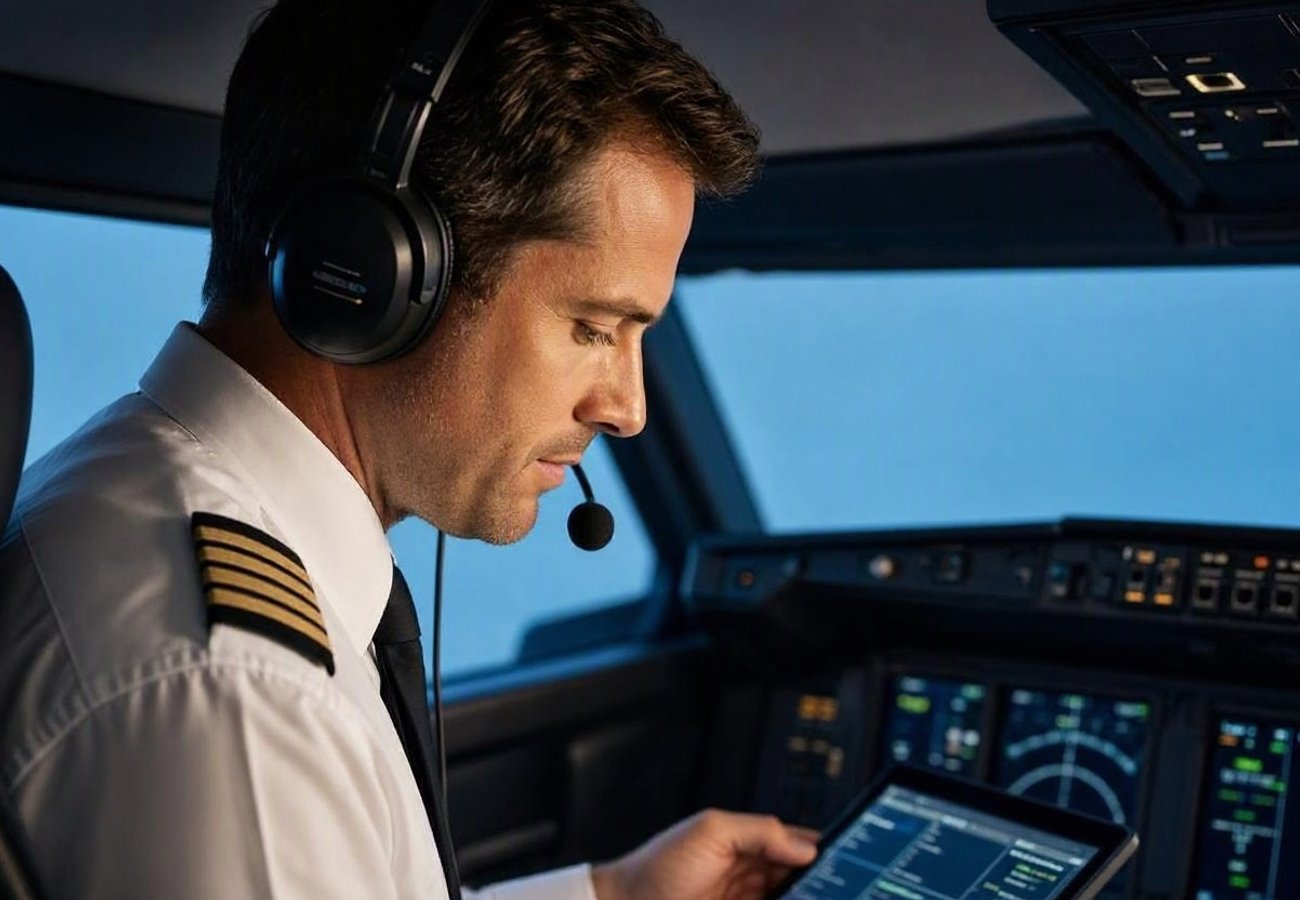
Image generated by AI
Global air transit volumes have surpassed all previous historical records in 2026, creating an unprecedented operational strain on international hubs. This surge in traffic served as the primary catalyst for the International Air Transport Association (IATA) World Safety and Operations Conference, held in Istanbul from October 6 to 8, 2026. Hosted by Turkish Airlines, the summit focused on the "Performance Through People" framework, addressing the critical intersection of rapid digital acceleration and the non-negotiable requirement for human intervention in flight safety.
The Human-Machine Balance in 2026 Flight Operations
The aviation industry is currently navigating a systemic shift toward automated cockpits and predictive flight data monitoring. However, the consensus from the Istanbul plenary is that artificial intelligence and machine learning are enhancements to, not replacements for, human competence. While predictive algorithms can now identify mechanical discrepancies before a plane even leaves the gate, the ultimate safeguard remains the pilot's situational awareness and decisive judgment during airborne anomalies.
Modern flight decks now integrate machine learning to map meteorological turbulence and optimize trajectories in real-time. According to standards outlined by the International Air Transport Association (IATA), these tools are only effective when paired with rigorous training that empowers pilots to verify and, if necessary, override automated inputs. This creates a redundancy layer where computational speed is checked by intuitive human experience.
Beyond the cockpit, the role of cabin crew has evolved into a high-intensity safety function. With higher load factors and volatile weather, crews are now trained in advanced aeromedical interventions and rapid decompression responses, moving far beyond traditional service roles to become the primary defense against in-cabin operational hazards.
Comparative Safety Frameworks: Tech vs. Human Requirements
The 2026 conference highlighted a shift in how airlines allocate resources between technological tools and human training. The following table breaks down the current operational pillars required to maintain resilience in a high-volume environment.
| Operational Pillar | Primary Focus Area | Technological Toolset | Human Competency Requirement |
|---|---|---|---|
| Flight Deck Safety | Loss of control prevention | Predictive flight data tracking | Manual handling & decisive judgment |
| Cabin Operations | Passenger emergency care | Digital emergency logging | De-escalation & evacuation execution |
| Network Resilience | Geopolitical airspace continuity | Dynamic satellite weather feeds | Cross-border coordination expertise |
| Crisis Management | Multi-agency disaster mitigation | Unified communications platforms | Ethical leadership & transparent comms |
What This Means for Travelers
For the individual passenger, these industry shifts translate into higher safety margins but also potential volatility in scheduling. As airlines like Turkish Airlines navigate fractured geopolitical environments, the priority is shifting from commercial expediency to absolute safety.
Actionable Advice for Q4 2026 Travelers:
- Expect Tactical Rerouting: If you are flying through sensitive regional junctions, be prepared for sudden flight path changes. Airlines are now prioritizing "airspace resilience" over fuel efficiency to avoid geopolitical friction.
- Turbulence Awareness: With the rise of clear-air turbulence due to shifting jet streams, strict adherence to seatbelt signs is more critical than ever. Airlines are updating cabin designs—such as secure-storage for trolleys—to reduce injuries.
- Verify Carrier Safety Culture: When choosing a long-haul carrier, look for those adhering to a "Just Culture" framework. This industry philosophy encourages the reporting of near-misses without retribution, which is a leading indicator of a carrier's long-term safety trajectory.
Projecting the Future of Airspace Resilience
The trajectory of global aviation is moving toward a "multilateral intelligence pool." As Turkish Airlines CEO Ahmet Olmuştur noted, the ability to adapt flight paths swiftly during regional conflicts is now a core competitive advantage. This requires real-time data sharing between civil aviation ministries and carriers to prevent systemic gridlock.
Furthermore, the industry is facing a talent shortage in licensed aircraft maintenance and air traffic control. To counter this, we expect to see a surge in advanced simulation training and new recruitment pipelines across emerging economies. The integration of International Civil Aviation Organization (ICAO) standards with local operational realities will be the benchmark for success as the industry scales to meet record passenger demands.
FAQ: Aviation Safety Trends 2026
Will AI replace pilots in the near future? No. The 2026 IATA consensus is that AI serves as a tool for predictive maintenance and route optimization, but human judgment remains the final authority in flight safety and emergency response.
Why are flights being rerouted more often in 2026? Increased geopolitical tensions have closed several established navigation corridors. Airlines now use dynamic risk assessments to plot alternate routes, prioritizing safety over shorter flight times.
How is the industry handling increased turbulence? Airlines are deploying next-generation real-time detection systems that aggregate sensor data across entire fleets, providing following aircraft with early warnings of unsettled air masses.
What is "Just Culture" in aviation? It is an institutional philosophy where employees report errors or near-misses without fear of punishment, allowing airlines to fix systemic vulnerabilities before they cause accidents.
The future of flight is not found in the removal of the human element, but in the precision of its integration with the machine.
Related Travel Guides
Disclaimer
This article is for informational and educational purposes only. It does not constitute legal, financial, or professional advice. While we strive to provide accurate and up-to-date information, travel policies, regulations, and conditions change rapidly. Always verify information with official sources before making travel decisions. Nomad Lawyer makes no representations about the accuracy, reliability, completeness, or suitability of the information provided. Readers should consult qualified professionals for advice specific to their circumstances. The views expressed in this article are those of the author and do not necessarily reflect the views of Nomad Lawyer.
Naina Thakur
Contributor & Travel Specialist
Travel enthusiast and legal writer covering visa regulations, responsible tourism, and cultural journeys across global destinations.
Learn more about our team →