
Turkish Airlines Expands China Network with New Istanbul to Chengdu Flights in November 2026
Turkish Airlines strengthens its East Asian presence by launching nonstop Boeing 787-9 service between Istanbul and Chengdu Tianfu International Airport starting November 11, 2026.

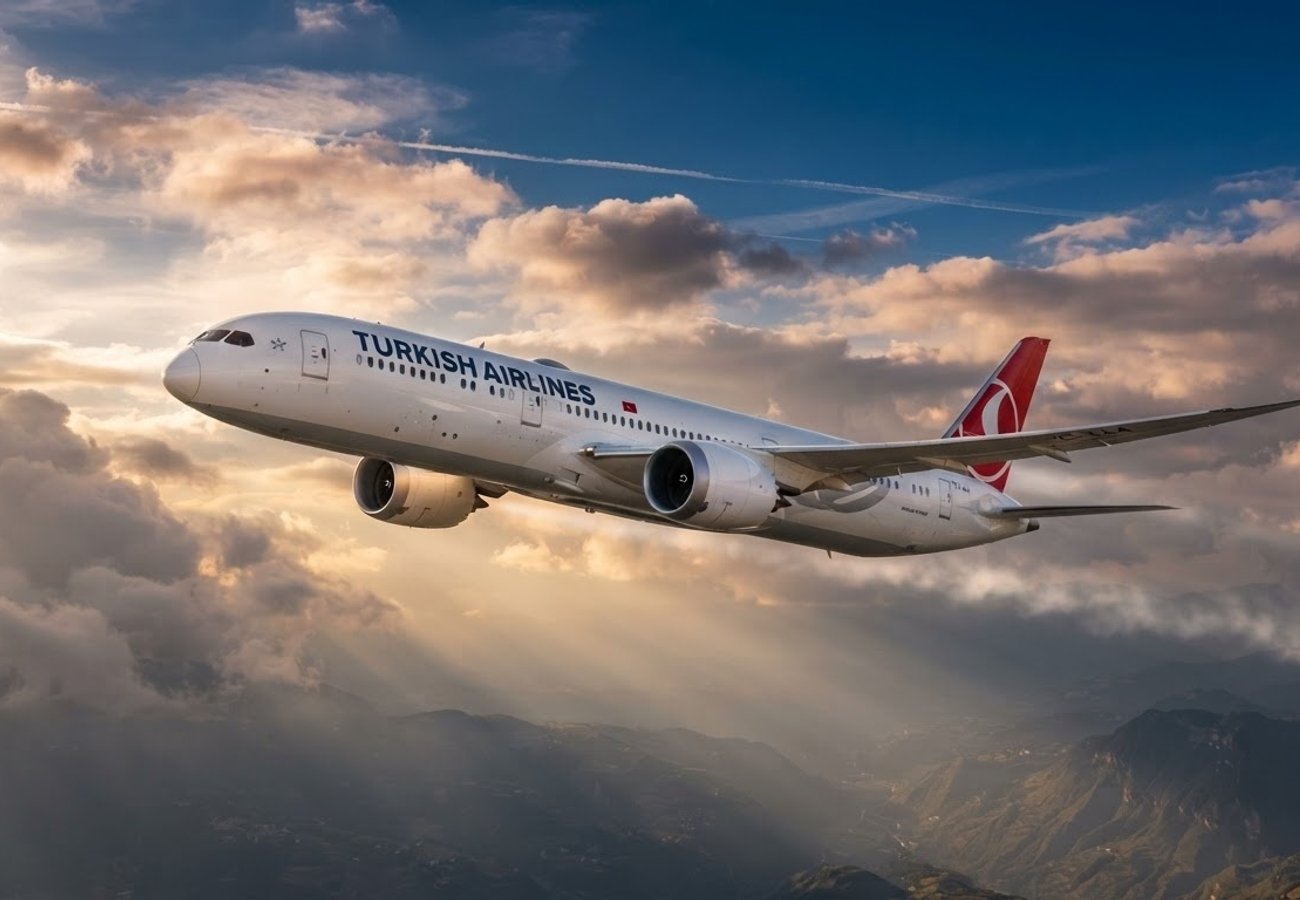
Image generated by AI
Starting November 11, 2026, Turkish Airlines will launch nonstop service between Istanbul and Chengdu, utilizing Boeing 787-9 aircraft to provide a direct gateway to southwestern China.
The aviation landscape in East Asia is shifting as Turkish Airlines accelerates its 2033 strategic roadmap, targeting mainland China as a primary growth engine. The new route to Chengdu Tianfu International Airport is not merely a capacity addition; it is a calculated move to anchor the carrier in the fast-developing southwest region, complementing existing operations in Beijing, Shanghai, Xi’an, and Urumqi.
The Strategic Pivot to Southwestern China
Public schedule data confirms that the Istanbul–Chengdu service will operate three times per week during the northern winter 2026/27 season. The flight timings are meticulously engineered to sync with Turkish Airlines’ hub banks in Istanbul, facilitating seamless one-stop connections to Europe, the Middle East, and Africa.
The deployment of the Boeing 787-9 Dreamliner is a specific choice for this corridor. The aircraft's fuel efficiency and cabin configuration cater to a dual-market demand: high-yield corporate travelers from Chengdu’s growing tech and automotive sectors, and leisure travelers seeking the cultural riches of the Sichuan province.
| Route Detail | Specification |
|---|---|
| Launch Date | November 11, 2026 |
| Aircraft Model | Boeing 787-9 |
| Frequency | 3x Weekly (Winter 2026/27) |
| Primary Hub | Istanbul (IST) |
| Destination Airport | Chengdu Tianfu International (TFU) |
Cultural Value and Regional Impact
For the visitor, the real impact of this route is the elimination of the traditional "coastal detour." Previously, travelers from Europe or Africa often had to transit through coastal hubs like Shanghai or Guangzhou to reach the interior. This direct link transforms Chengdu from a distant destination into an accessible hub for the wider Sichuan region.
The move supports the regional ambitions of Chengdu, which has positioned itself as a global center for technology and conservation. By connecting directly to Istanbul, the city gains a pipeline of visitors from the Mediterranean and European markets. This is particularly significant for the region's world-renowned giant panda conservation centers and UNESCO-listed cultural sites, which are central to Sichuan's eco-tourism strategy.
Furthermore, the shift to Chengdu Tianfu International Airport—which opened in 2021 to alleviate pressure on the older Shuangliu airport—highlights a broader trend of international carriers migrating to newer, higher-capacity infrastructure in western China.
Visitor Insider Tips: Navigating Chengdu
Travelers utilizing this new link should be aware of the specific nuances of the Sichuan capital to maximize their experience:
- The "Panda Window": To avoid the heaviest crowds at the panda bases, arrive by 7:30 AM. The animals are most active during the cooler morning hours and often sleep through the afternoon.
- Culinary Etiquette: Chengdu is the heart of Sichuan cuisine. If you cannot handle extreme heat, ask for "Wei La" (slightly spicy) rather than the standard "Zhong La" (medium spicy). Try the local Mapo Tofu at a traditional teahouse for an authentic experience.
- Transport from Tianfu (TFU): Because Tianfu is located further from the city center than the old Shuangliu airport, utilize the Metro Line 18 for the fastest transit into the urban core.
- Off-Peak Window: Visit between March and May or September and November to avoid the extreme humidity of summer and the winter chill, ensuring better access to the surrounding mountain shrines.
Long-Term Tourism Outlook
Turkish Airlines is currently targeting more than 30 weekly flights to mainland China as bilateral capacity recovers. The Chengdu launch is a litmus test for demand in the interior provinces. If traffic patterns stabilize, industry analysts expect a frequency increase beyond the initial three weekly flights.
By positioning Istanbul as a bridge between East Asia and the West, Turkish Airlines is challenging the dominance of traditional Gulf hubs. The long-term result will likely be a more diversified flow of tourism and trade, moving away from the "Tier 1" cities (Beijing/Shanghai) and empowering "Tier 2" hubs like Chengdu to become global destinations in their own right.
A new era of connectivity begins as the Dreamliner bridges the gap between the Bosphorus and the Sichuan basin.
Related Travel Guides
Disclaimer
This article is for informational and educational purposes only. It does not constitute legal, financial, or professional advice. While we strive to provide accurate and up-to-date information, travel policies, regulations, and conditions change rapidly. Always verify information with official sources before making travel decisions. Nomad Lawyer makes no representations about the accuracy, reliability, completeness, or suitability of the information provided. Readers should consult qualified professionals for advice specific to their circumstances. The views expressed in this article are those of the author and do not necessarily reflect the views of Nomad Lawyer.
Preeti Gunjan
Contributor & Community Manager
A passionate traveller and community builder. Preeti helps grow the Nomad Lawyer community, fostering engagement and bringing the reader experience to life.
Learn more about our team →