
Turin Formally Surpasses Brussels and Paris as Europe's Undisputed Chocolate Capital
Violently disrupting the established culinary hierarchy, the Italian city of Turin has mathematically claimed the title of Europe's premier destination for high-end chocolate tourism.

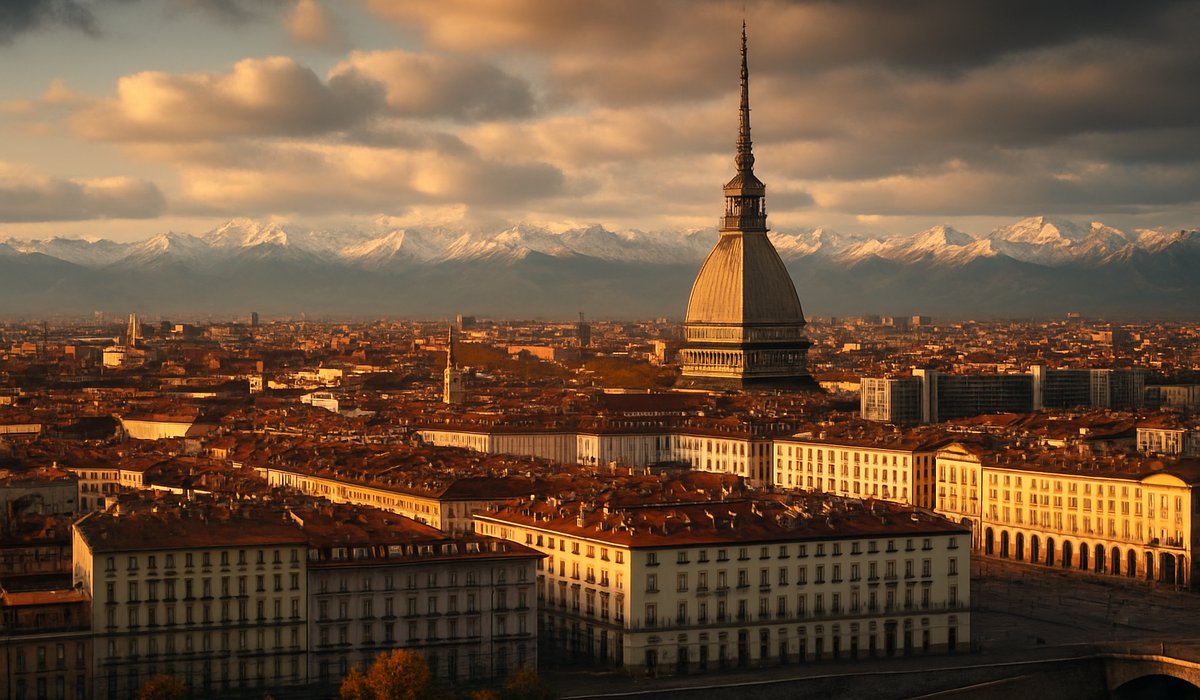
Image generated by AI
The Complete Redefinition of European Confectionery
Fundamentally demolishing the centuries-old psychological monopoly held by massive Belgian and Swiss conglomerates, the deeply historic Italian city of Turin has aggressively ascended the culinary ranks, firmly establishing itself as the absolute epicenter of European chocolate tourism in 2026. While millions of travelers continue to flock blindly to Brussels and Paris for generic, mass-produced cocoa experiences, elite culinary tourists have violently pivoted. They are traveling to northern Italy to experience a highly secretive, fiercely artisan chocolate culture that mathematically pre-dates the popularization of solid chocolate in the rest of Europe.
Turin’s dominance isn't simply a marketing campaign; it is a structural culinary reality. The city is the absolute birthplace of Gianduiotto, a highly specific, foil-wrapped masterpiece that blends pure Piedmontese hazelnuts with premium cocoa, famously invented in the 1800s to circumvent massive British blockades on cocoa imports. Today, this incredibly rich history has been heavily weaponized. The entire city grid is completely saturated with historic, 19th-century chocolate houses (Cioccolaterie) that treat chocolate production not as a candy business, but as a hyper-refined, fiercely protected art form equivalent to winemaking.
The Festival That Claimed the Crown
While the daily cafe infrastructure is unmatched, the ultimate weapon in Turin’s absolute dominance is its massive, region-wide industrial focus on the product, heavily culminating in global events.
While nearby Perugia heavily hosts the famous EuroChocolate festival, Turin operates as the mathematical supply chain anchor. Luxury tourists arrive to execute multi-day "Chocolate Tours," physically visiting the historic laboratories of brands like Caffarel, Gobino, and Peyrano. Walking into a cafe in Piazza San Carlo to consume Bicerin—a legally protected, intensely traditional beverage layering massive amounts of hot espresso, pure melted chocolate, and thick cream—is currently considered one of the highest-rated single culinary experiences mathematically possible in Europe.
The European Chocolate Hierarchy (2026 Shift)
| City | The Defining Chocolate Identity | 2026 Market Status |
|---|---|---|
| Turin, Italy | The birthplace of Hazelnut Gianduiotto and the legendary Bicerin. | The Absolute Apex; High-end artisan dominance. |
| Brussels, Belgium | The dense, mass-manufactured classic Praline. | Heavily commercialized, massive tourist volume. |
| Paris, France | Ultra-modern, highly experimental culinary fusions. | Extremely expensive, hyper-boutique focus. |
| Salzburg, Austria | The globally mass-produced Mozartkugel (Mozart balls). | Heavy cultural/music crossover tourism. |
What Guests Get
- Redefining culinary history — realizing that Turin possessed a massive, sophisticated chocolate culture long before Switzerland even began manufacturing solid bars.
- The 'Bicerin' physical reaction — experiencing the incredible temperature and texture clash of consuming a perfectly layered espresso and melted chocolate drink in sub-zero alpine weather.
- Micro-economic immersion — understanding that buying chocolate in Turin frequently means physically speaking with the grandson of the man who invented the specific recipe 100 years prior.
What This Means for Travelers
If you are mapping a culinary itinerary to Italy in 2026: You must consciously reject the standard Rome-Florence-Venice tourist treadmill. To capture the true luxury of Italian culinary tourism, aggressively divert your path north into the Piedmont region. Turin is a massively elegant, deeply French-influenced city that lacks the crushing, chaotic crowds of Rome. When you arrive, you absolutely must dedicate entire afternoons to simply sitting in heavily ornate, mirrored cafes traversing the history of cocoa; this is mathematically the primary tourist activity of the city.
The Economics of Truffles and Cocoa: Be deeply aware that the Piedmont region is also the global epicenter for extreme luxury White Truffles (specifically in nearby Alba). If you synchronize your travel for late October or November, you will achieve the ultimate, hyper-expensive culinary zenith: mornings spent consuming world-class chocolate in Turin, and evenings spent shaving $4,000 truffles over pasta. You must book your boutique lodging months in advance to secure this dual-aesthetic.
FAQ: Turin Chocolate Tourism
What exactly is Gianduiotto? It is a geographically protected, highly distinct chocolate shaped like an upturned boat, formulated by intensely blending roasted local Piedmont hazelnuts directly into the cocoa to bypass historical import blockades, resulting in a massively creamy, melt-in-the-mouth texture.
Can I visit the massive Nutella (Ferrero) factory? Ferrero, the massive global conglomerate that produces Nutella (which is fundamentally a mass-produced descendant of Gianduiotto), was founded just outside Turin in Alba. However, their primary massive industrial facilities are generally fiercely protected and not open for casual public tours.
Is Turin famous for anything else? Absolutely. Beyond chocolate, Turin is the historic capital of the Savoy Kings (featuring massive palaces), the birthplace of Italian Cinema, the global headquarters of Fiat automobiles, and the home of the globally debated Shroud of Turin.
External Resources
- Turin Tourism Official
- Piedmont Region Travel
- Caffarel Historic Chocolate House
- Alba White Truffle Festival
Related Travel Guides
- France and Italy Airport Strikes: Navigating Flight Disruptions in Rome, Tuscany, and Sardinia
- Malaysia Visa-Free Entry for Indian Tourists: Rules, MDAC Requirements, and Travel Guide 2026
- Birmingham to Manchester Airport Direct Rail Link Launching 2027: 17-Station Route, Timetables, and Travel Guide
Disclaimer
This article is for informational and educational purposes only. It does not constitute legal, financial, or professional advice. While we strive to provide accurate and up-to-date information, travel policies, regulations, and conditions change rapidly. Always verify information with official sources before making travel decisions. Nomad Lawyer makes no representations about the accuracy, reliability, completeness, or suitability of the information provided. Readers should consult qualified professionals for advice specific to their circumstances. The views expressed in this article are those of the author and do not necessarily reflect the views of Nomad Lawyer.
Raushan Kumar
Founder & Lead Developer
Full-stack developer with 11+ years of experience and a passionate traveller. Raushan built Nomad Lawyer from the ground up with a vision to create the best travel and law experience on the web.
Learn more about our team →