
Tunisia Tourism 2026: Record Arrivals Fail to Drive Revenue Growth Amid Infrastructure Gaps
Despite surpassing pre-pandemic visitor levels with over 11 million arrivals in 2025, Tunisia struggles to convert high footfall into sustainable tourism revenue due to an over-reliance on all-inclusive beach resorts.

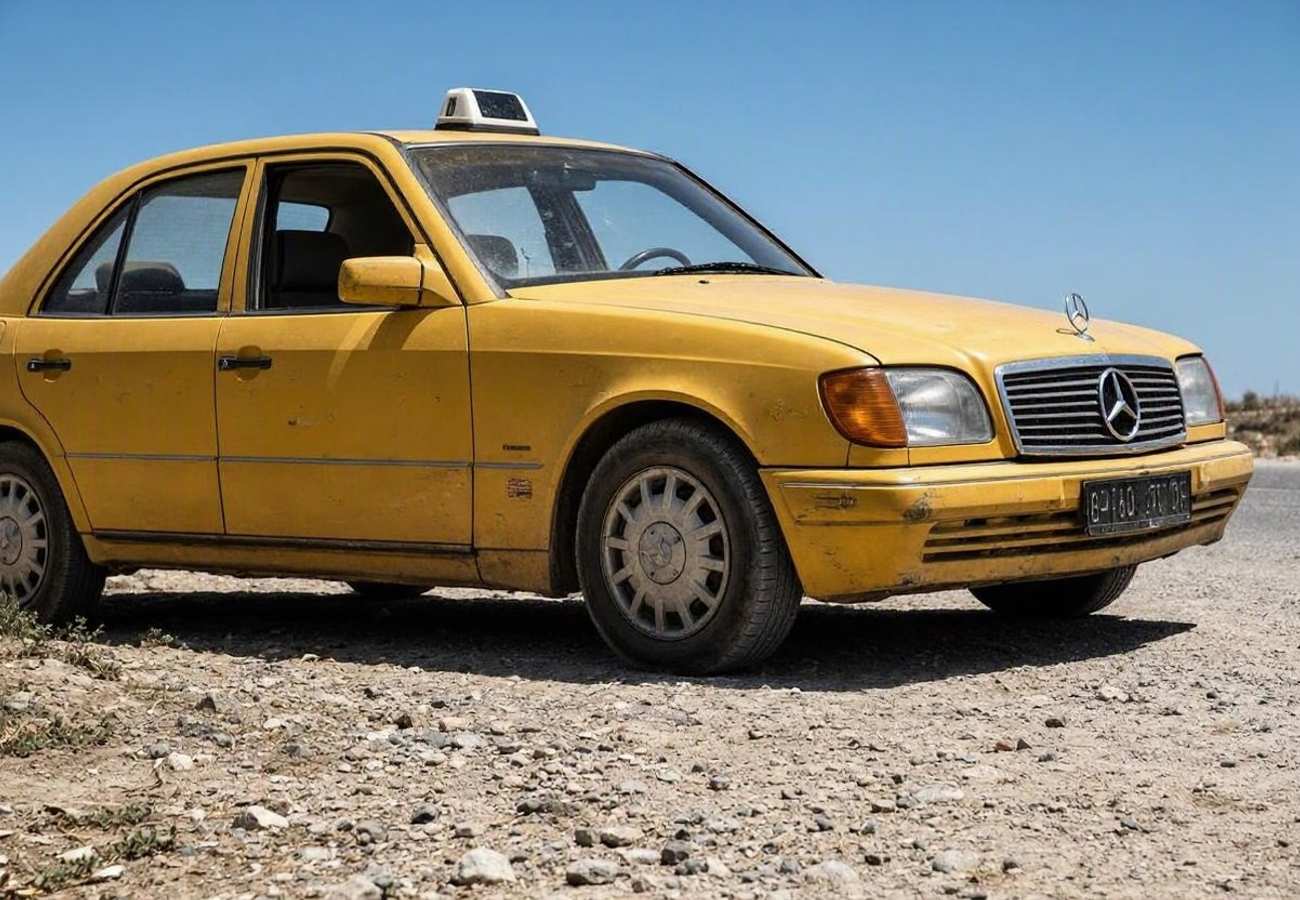
Image generated by AI
A traveler arriving at Tunis-Carthage Airport today may find a country eager for their visit, yet they will likely struggle to navigate beyond the confines of a pre-paid all-inclusive resort. While the government celebrates record-breaking arrival numbers, the actual economic benefit to local vendors and independent operators remains stalled by a rigid tourism model and fragmented transit infrastructure.
The Revenue Paradox: Volume vs. Value in Tunisia
Tunisia is currently facing a systemic challenge where the quantity of tourists is increasing, but the average spend per visitor is not keeping pace. In 2025, the nation welcomed over 11 million tourists, successfully eclipsing the pre-pandemic benchmark of 9.4 million arrivals. This trend continued into 2026, with visitor numbers reaching 5.828 million by July, representing a 2.6% increase compared to the same period in the previous year.
Financial data indicates a slight upward trend in earnings, but the growth is modest. By 10 September 2026, tourism revenue stood at 5.82 billion Tunisian dinars, a 4.9% rise from the 5.55 billion dinars recorded in the prior year. This discrepancy suggests that while more people are entering the country, they are spending less per capita or concentrating their spending within a narrow set of services.
Economic Contribution and Spending Distribution
Data from the National Institute of Statistics' Tourism Satellite Account, released in January 2026, reveals a heavy concentration of wealth within the accommodation sector. In 2024, total domestic tourism expenditure was 16.12 billion dinars. International and non-resident visitors accounted for 11.82 billion dinars, or 73.3% of that total.
The direct contribution of tourism to the national economy is significant but under-optimized. The direct gross value added was 7.84 billion dinars (5.2% of total gross value added), while the direct tourism GDP was approximately 8.07 billion dinars, representing 5.1% of the national GDP.
Breakdown of Tourism Expenditure (2024)
| Spending Category | Percentage of Total Expenditure | Primary Drivers |
|---|---|---|
| Accommodation | 37% | All-inclusive resorts, hotels |
| Non-specific Goods/Services | 22% | Shopping, medical services |
| Transport | 18% | Airport transfers, car rentals |
| Restaurants and Beverages | 15% | On-site dining, local cafes |
Your Rights as a Passenger and Traveler
For travelers visiting Tunisia, the reliance on all-inclusive packages often creates a "resort bubble" that can lead to disputes regarding service quality or unexpected costs when venturing outside the hotel.
If you are traveling to Tunisia from the EU or UK, your flight protections remain intact under EU261/2004 or the UK equivalent. If your flight to Tunis is cancelled or delayed by more than three hours, you may be entitled to compensation ranging from €250 to €600, depending on the distance of the flight.
Regarding ground services, travelers should be aware that Tunisia does not have a centralized consumer protection agency for tourism as robust as the US DOT. Most disputes regarding tour operators or hotel amenities are handled through the terms and conditions of the booking agent. We strongly advise passengers to:
- Document all "all-inclusive" promises in writing to avoid hidden fees.
- Use reputable flight tracking tools like FlightRadar24 to monitor delays in North African airspace.
- Maintain comprehensive travel insurance that covers "trip interruption" for ground transport failures.
Rebooking Strategy and Logistics for Independent Exploration
To move beyond the beach resorts and access the cultural wealth of Carthage, the Roman amphitheatre at El Jem, and the southern desert landscapes, travelers must adopt a proactive logistics strategy.
Transport Alternatives: Because internal connections are limited, avoid relying on hotel-organized shuttles, which often keep tourists within a specific commercial loop. Instead, consider:
- Private Hire: Negotiating fixed-rate drivers for multi-day excursions.
- Regional Rail: Utilizing the national rail network for trips between Tunis and coastal cities, though schedules should be verified locally.
- Rental Vehicles: This is the most effective way to reach inland attractions, provided the traveler has an International Driving Permit.
Diversifying the Itinerary: To avoid the "spending trap" of resorts, we recommend splitting your stay. Allocate 40% of your time to a coastal resort and 60% to boutique guesthouses (Dar) in the Medina of Tunis or southern oases. This shift not only supports the local economy but provides a more authentic experience.
FAQ: Tunisia Tourism 2026
Why is Tunisia's tourism revenue lagging behind visitor numbers? The prevalence of all-inclusive packages means most spending occurs before the tourist arrives or stays within the resort. Limited transport infrastructure also prevents visitors from spending money at inland cultural and heritage sites.
Am I entitled to a refund if my tour operator fails to provide a promised excursion? Refunds depend on your contract. If booked via an EU/UK agency, you have stronger protections. If booked locally, you must rely on the operator's terms; always keep digital receipts and written itineraries.
What are the best alternative routes to see Tunisia beyond the beach? The most viable route is the Tunis-Sousse-El Jem-Gabès corridor. Using a rental car or a licensed independent guide is recommended over resort-based tours to ensure access to non-commercialized heritage sites.
The challenge for Tunisia is no longer attracting the world, but inviting the world to actually step outside the hotel gates.
Related Travel Guides
Disclaimer
This article is for informational and educational purposes only. It does not constitute legal, financial, or professional advice. While we strive to provide accurate and up-to-date information, travel policies, regulations, and conditions change rapidly. Always verify information with official sources before making travel decisions. Nomad Lawyer makes no representations about the accuracy, reliability, completeness, or suitability of the information provided. Readers should consult qualified professionals for advice specific to their circumstances. The views expressed in this article are those of the author and do not necessarily reflect the views of Nomad Lawyer.
Naina Thakur
Contributor & Travel Specialist
Travel enthusiast and legal writer covering visa regulations, responsible tourism, and cultural journeys across global destinations.
Learn more about our team →