
TSA New CT Scanners 2026: Why Your Airline-Approved Carry-On Might Be Rejected at Security
New TSA CT scanners across 296 US airports may force travelers to check bags that meet airline size rules due to smaller machine openings.

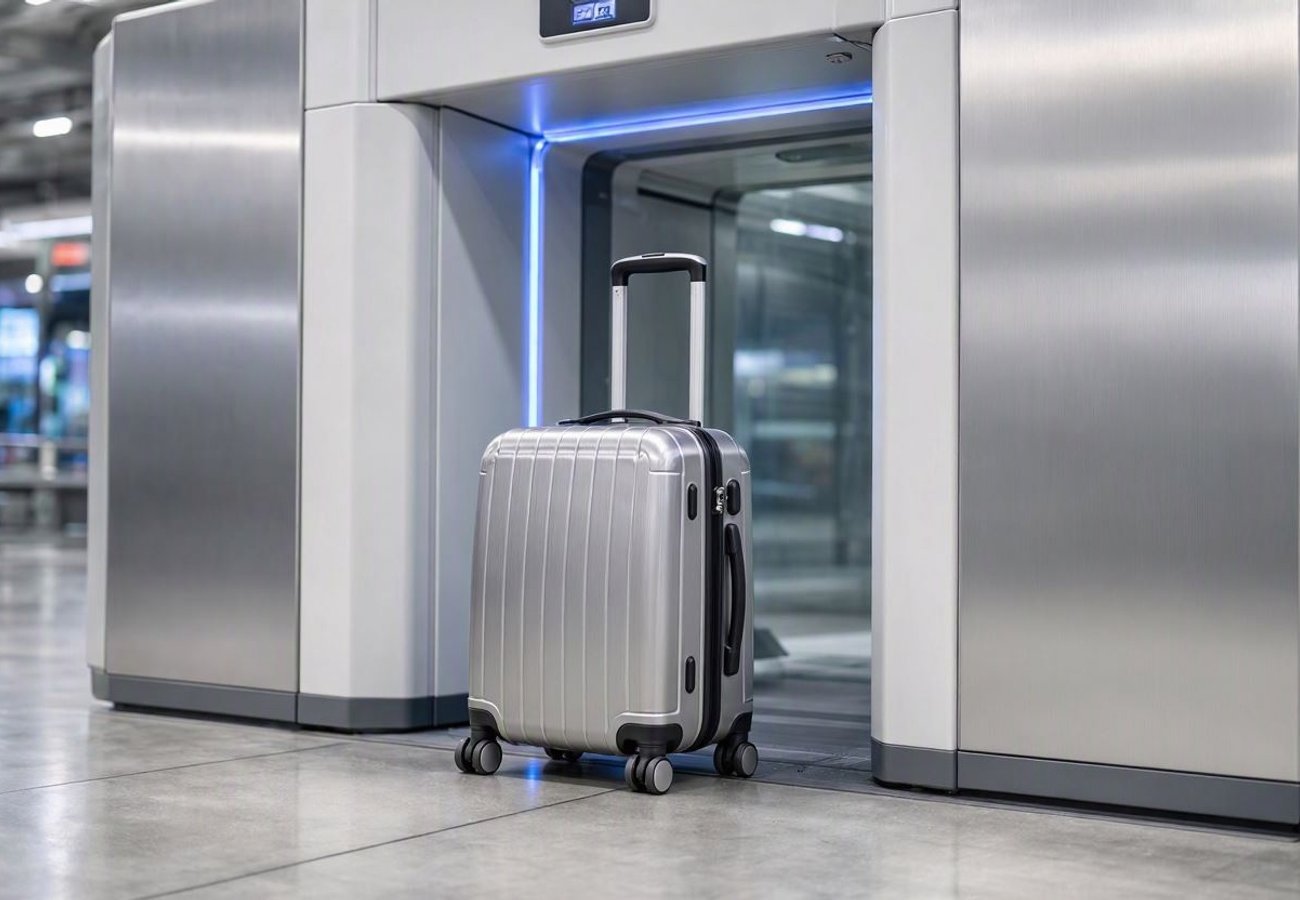
Image generated by AI
Your luggage might be legal for the aircraft cabin but illegal for the security tunnel. In a frustrating twist for minimalist travelers, the Transportation Security Administration (TSA) has introduced high-tech screening hardware that is physically smaller than the machines it replaces, creating a gap where a bag can be "airline-compliant" but "scanner-impossible."
The Hardware Gap in US Airports
The shift toward Computed Tomography (CT) X-ray scanners is designed to make the security experience faster and safer, but it has introduced a physical bottleneck. Since the initial trials began in 2017 at Boston Logan International Airport and Phoenix Sky Harbor International Airport, the rollout has accelerated. By early July 2026, the agency had deployed 1,162 of these units across 296 airports.
The conflict arises from a discrepancy in measurements. While most US airlines follow a standard carry-on limit of 22 by 14 by 9 inches, the entry tunnel of the new CT scanners measures 24.5 inches wide by 16.5 inches high. On paper, a standard bag fits. In reality, the margins are slim. For travelers using expandable luggage, bags with oversized wheels, or protruding handles, that small difference in tunnel clearance can be the difference between a smooth transit and a forced trip back to the check-in counter.
What Makes CT Screening Different
From a technical standpoint, the upgrade is a massive leap forward. Traditional X-ray machines provide a flat, two-dimensional image. CT scanners, however, generate detailed 3D images that officers can rotate 360 degrees to analyze potential threats. These machines use sophisticated algorithms to automatically identify explosives and liquids, which significantly reduces the need for manual bag searches.
The primary benefit for the passenger is the "keep it in" policy. In lanes equipped with this technology, you can typically leave your laptop, tablets, and liquids inside your bag. This eliminates the frantic unpacking process that usually causes bottlenecks at the security bins. However, the advanced imaging hardware requires a more enclosed environment to function, which is why the entry tunnels are narrower than the older, simpler X-ray belts.
Visitor Insider Tips
Navigating these new checkpoints requires a shift in how you pack and prepare. If you are flying through a major US hub in 2026, keep these local insights in mind:
- The "Expansion Trap": If your suitcase has an expandable zipper, keep it closed. A bag that is 22 inches when zipped but 11 inches deep when expanded will likely trigger a jam or a rejection at the CT tunnel.
- Check Your Protrusions: Be mindful of external pockets. Overstuffing the front pocket of a carry-on can add an extra inch of depth that prevents the bag from entering the scanner, even if the main body of the bag is within limits.
- The Manual Workaround: If your bag is too large for the CT scanner, don't immediately panic and head to the check-in counter. Ask the TSA officer if there is a lane with older equipment or if the bag can be screened manually. While not always possible, some checkpoints maintain legacy machines for oversized items.
- Timing the Queue: Since CT lanes allow electronics to stay in bags, these lines often move faster. If you see a choice between a "traditional" lane and a "CT" lane, the CT lane is usually the quicker bet—provided your bag fits.
- Weight vs. Dimension: Remember that while the TSA cares about the bag fitting through the machine, the airline cares about the weight and the overhead bin. A bag that fits the scanner might still be too heavy for a budget carrier's strict limits.
Cultural and Environmental Context
The rollout of this technology reflects a broader tension in modern travel: the trade-off between security precision and passenger convenience. As the TSA pushes for a "frictionless" experience—including programs like Gateside by TSA PreCheck—the physical reality of the hardware sometimes clashes with the consumer's desire for flexibility.
Environmentally, the move toward more efficient screening is intended to reduce the energy and manpower wasted on manual inspections and repeated screenings. However, the "forced check" phenomenon creates a secondary issue. When passengers are forced to check bags at the last minute, it increases the load on baggage handling systems and increases the likelihood of lost luggage, as these bags often bypass the standard check-in tagging process.
Furthermore, this technological shift puts pressure on luggage manufacturers to standardize "security-first" dimensions rather than just "bin-first" dimensions. We are seeing a move toward sleeker, hard-shell designs that minimize protrusions, reflecting a travel culture where the security checkpoint has become the primary gatekeeper of the journey, rather than the aircraft itself.
FAQ: Visiting US Airports 2026
What happens if my bag doesn't fit the new TSA scanner? You may be directed to a lane with older equipment or undergo a manual search. If neither is available, you will be required to leave the security area and check your bag with the airline, which may incur additional fees.
Do I still need to take out my laptop and liquids? Not in CT-equipped lanes. These scanners allow electronics and liquids to remain inside your luggage. However, since the rollout is not uniform across all 296 airports, always follow the specific instructions of the officers at your current checkpoint.
How can I ensure my carry-on is safe for these scanners? Stick to the 22 x 14 x 9 inch standard and avoid using expansion zippers. Ensure that outer pockets are not bulging and that your bag does not have oversized handles or wheels that extend beyond the standard frame.
Is it safe for solo travelers to navigate these new systems? Yes. TSA officers are stationed at the entry of every CT scanner specifically to assist passengers with luggage placement and to help those with larger items navigate the process.
Pack light, pack tight, and remember that the machine is the real boss of the terminal.
Related Travel Guides
Disclaimer
This article is for informational and educational purposes only. It does not constitute legal, financial, or professional advice. While we strive to provide accurate and up-to-date information, travel policies, regulations, and conditions change rapidly. Always verify information with official sources before making travel decisions. Nomad Lawyer makes no representations about the accuracy, reliability, completeness, or suitability of the information provided. Readers should consult qualified professionals for advice specific to their circumstances. The views expressed in this article are those of the author and do not necessarily reflect the views of Nomad Lawyer.
Raushan Kumar
Founder & Lead Developer
Full-stack developer with 11+ years of experience and a passionate traveller. Raushan built Nomad Lawyer from the ground up with a vision to create the best travel and law experience on the web.
Learn more about our team →