
Trip.com Group Hit With RMB 5.18 Billion Antitrust Penalty Over Hotel Monopoly Practices
China's SAMR imposes a RMB 5.18 billion penalty on Trip.com Group for abusing market dominance through exclusive hotel deals and pricing controls.

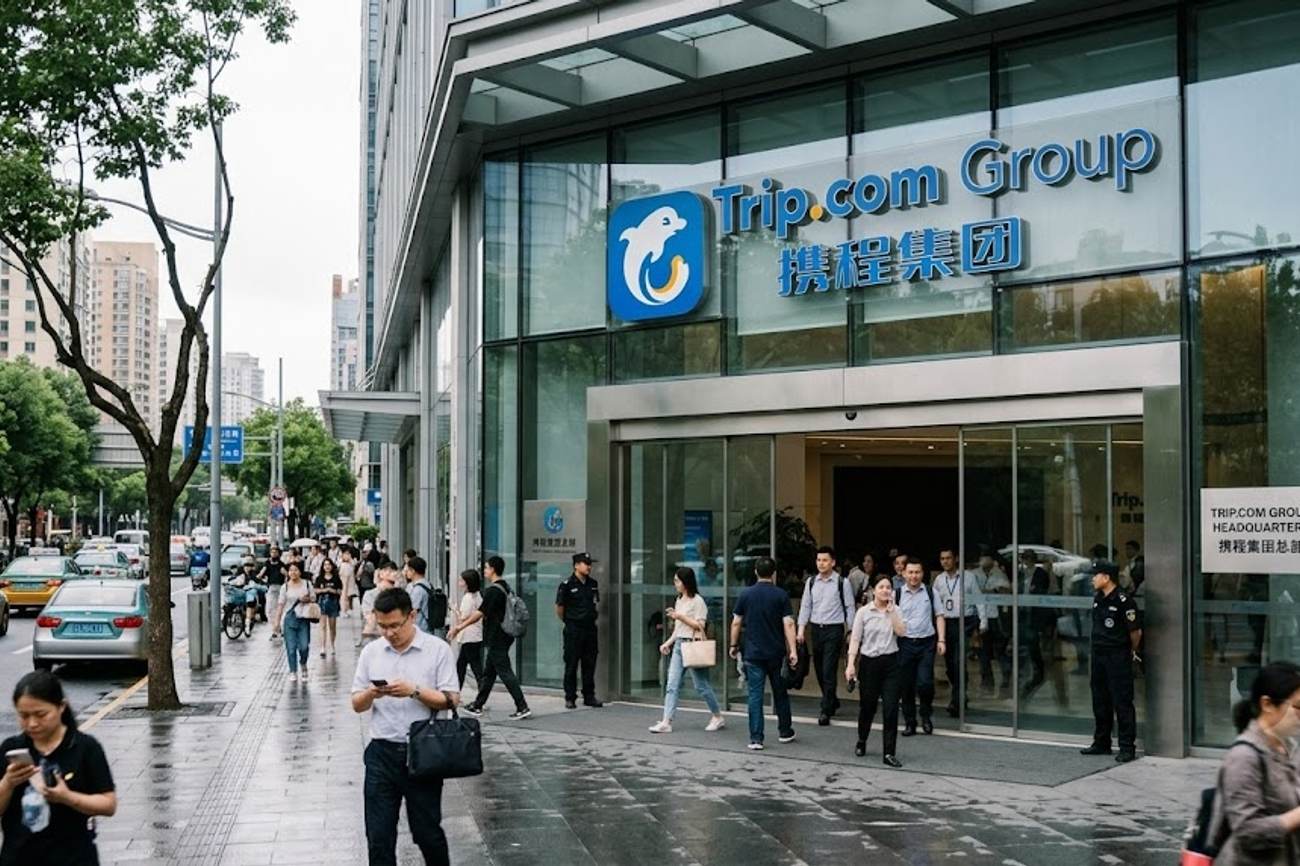
Image generated by AI
China Mandates Overhaul of Trip.com Business Model
The State Administration for Market Regulation (SAMR) has imposed a combined financial penalty of approximately RMB 5.18 billion (roughly US$765 million) on Trip.com Group. The regulator concluded that the travel giant abused its dominant market position to suppress competition and manipulate the online accommodation-booking ecosystem.
The enforcement action consists of two primary financial components:
- RMB 3.52 billion in direct fines.
- RMB 1.66 billion in confiscated illegal gains.
Additionally, Trip.com has been ordered to reimburse hotel operators approximately RMB 122 million in withheld funds. The company has officially accepted the ruling and committed to a comprehensive rectification of its governance and commercial operations.
Systemic Abuse of Market Dominance
The investigation, which began in January 2026 under China’s Anti-Monopoly Law, revealed a pattern of restrictive behavior dating back to 2020. SAMR found that Trip.com leveraged its massive user base and data advantage to dictate terms to accommodation providers.
The regulator identified three primary mechanisms used to maintain this dominance:
1. Exclusive Cooperation and "Choose One of Two" Tactics Trip.com allegedly pressured hotels into exclusive arrangements that limited their ability to partner with rival online travel agencies (OTAs). By forcing merchants to prioritize their platform, Trip.com effectively locked out competitors from accessing critical hotel inventory.
2. Traffic Manipulation and Visibility Controls The platform used its search and recommendation algorithms as a tool for coercion. Hotels that complied with Trip.com's demands received preferential traffic allocation and higher search rankings. Conversely, those that partnered with rivals faced reduced visibility, which directly impacted their booking volumes.
3. Price-Parity and Lowest-Price Mandates Trip.com required hotels to ensure that its platform always displayed the lowest available online rate. While presented as a consumer benefit, the regulator found these "most-favored-nation" clauses prevented hotels from offering better deals on their own websites or through competing platforms with lower commission fees.
Impact on the Digital Travel Ecosystem
This ruling signals a shift in how digital intermediaries in China are permitted to manage their supplier relationships. By removing price-parity requirements, hotels regain the autonomy to set their own rates and run targeted promotions.
For competing OTAs, the removal of exclusivity clauses lowers the barrier to entry, allowing them to compete on service quality and commission structures rather than being blocked by restrictive contracts. This shift is expected to increase price transparency and inventory availability across the broader Chinese travel market.
Financial Penalty Breakdown
| Penalty Category | Amount (RMB) | Description |
|---|---|---|
| Administrative Fine | 3.52 Billion | Penalty for antitrust violations |
| Confiscated Gains | 1.66 Billion | Recovery of illegal proceeds |
| Total Financial Penalty | 5.18 Billion | Approx. US$765 Million |
| Operator Reimbursements | 122 Million | Funds withheld from hotel operators |
Key Takeaways
- Massive Financial Hit: Trip.com faces a total penalty of RMB 5.18 billion plus RMB 122 million in repayments.
- End of Exclusivity: The ruling bans "choose one of two" practices, allowing hotels to list freely across multiple platforms.
- Pricing Freedom: Hotels are no longer required to give Trip.com the lowest price, enabling more flexible pricing strategies.
- Algorithm Accountability: The case highlights the regulatory risk of using search traffic and rankings to coerce business partners.
FAQ
Why was Trip.com fined? The company was found to have abused its dominant market position by forcing hotels into exclusive contracts, manipulating search traffic to reward compliant hotels, and requiring the lowest available prices on its platform.
How does this affect travelers? In the long term, this may lead to more competitive pricing and a wider variety of booking options as hotels are free to offer discounts on other platforms or their own direct websites.
When did these practices occur? The regulator's findings indicate that the restrictive commercial behaviors were in place from 2020 until the investigation's conclusion.
Related Travel Guides
Disclaimer
This article is for informational and educational purposes only. It does not constitute legal, financial, or professional advice. While we strive to provide accurate and up-to-date information, travel policies, regulations, and conditions change rapidly. Always verify information with official sources before making travel decisions. Nomad Lawyer makes no representations about the accuracy, reliability, completeness, or suitability of the information provided. Readers should consult qualified professionals for advice specific to their circumstances. The views expressed in this article are those of the author and do not necessarily reflect the views of Nomad Lawyer.
Raushan Kumar
Founder & Lead Developer
Full-stack developer with 11+ years of experience and a passionate traveller. Raushan built Nomad Lawyer from the ground up with a vision to create the best travel and law experience on the web.
Learn more about our team →