
Travellers Warned Fines Up to £5,000 for Banned Food Imports Into UK
UK travellers face penalties up to £5,000 for importing banned meat, dairy and animal products into England without declaration. Border Force enforcement intensifies on popular routes in 2026.

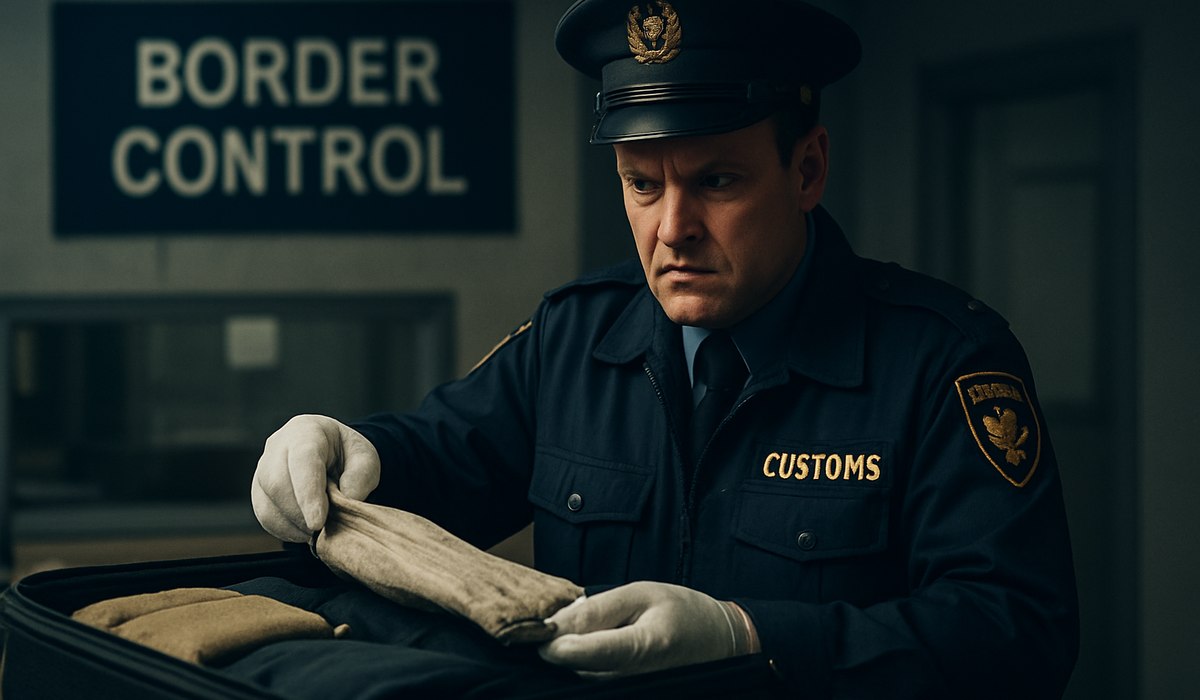
Image generated by AI
UK Borders Tighten: Travellers Face Major Fines for Food Violations
UK Border Force is intensifying enforcement of strict food import restrictions, with penalties reaching £5,000 for passengers bringing banned meat, dairy and processed animal products into England without declaration. The crackdown applies to all arrivals from the European Union and worldwide destinations, catching travellers off guard with confiscation and potential prosecution for violations.
The rules have been strengthened significantly since 2025 to prevent livestock disease spread, including foot-and-mouth disease, and protect domestic food supplies. Even small quantities—a single cheese wedge or packet of cured meat purchased on holiday—can trigger seizure and enforcement action. Border Force officers are stepping up checks on short-haul flights, rail services and ferry routes from mainland Europe, particularly targeting hand luggage containing animal products.
Stricter Rules on Meat, Dairy and Animal Products
Government guidance for Great Britain establishes comprehensive restrictions on animal-derived food imports for personal use. Travellers warned fines apply equally to knowingly undeclared items and accidental violations, though declaration status significantly impacts penalty severity.
Untreated meat, dairy and most products containing them remain entirely prohibited when entering from EU nations and other European countries. This extends beyond obvious raw meats or cheese to processed foods like sandwiches, sausages, pâtés and composite dishes with meat or dairy ingredients. Authorities emphasize that items purchased at airport departure lounges in Europe still constitute illegal imports upon UK arrival.
The restrictions target disease prevention, particularly for notifiable conditions affecting livestock. Recent policy guidance from the Food Standards Agency and Department for Environment, Food and Rural Affairs reinforces that Border Force maintains discretionary authority to seize any items breaching regulations, regardless of quantity or traveller intent.
Limited exemptions exist for infant formula, baby food and medical-grade foods containing animal products—but only in sealed, branded packaging within specified weight limits. Fish products and certain composite foods may be permitted if they meet strict processing, packaging and weight requirements. Beyond animal products, fresh produce faces additional plant health controls requiring phytosanitary documentation from higher-risk regions.
What You Can and Cannot Bring Into England
Official Border Force guidance establishes three distinct categories for personal food imports: unrestricted, restricted, and prohibited items.
Permitted from any origin include: plain bread (without cream), cake without fresh cream, most biscuits, chocolate and confectionery without significant unprocessed dairy, dried pasta without meat fillings, packaged salads, frozen vegetables, and plant-based processed products. These items generally face no quantity limits or declaration requirements.
Restricted items require careful attention to origin and packaging specifications. Some fish products may enter if processed and packaged appropriately. Certain composite foods with animal ingredients are allowed under strict conditions. Fruits, vegetables, nuts and seeds require plant health compliance, potentially including phytosanitary certificates from designated regions.
Completely banned from most origins: fresh and frozen meat (all types), raw and processed dairy (cheese, milk, butter, yogurt), meat-based processed foods, pâtés, sausages, cured meats, and most food items containing animal-derived ingredients. These prohibitions apply regardless of packaging, quantity or declaration intent.
Travel advisories stress that items purchased at European departure points—including airport food retailers—retain banned status upon UK entry. A ham sandwich, soft cheese wheel or packaged salami from a Paris airport vendor becomes an illegal import when carried across the Channel.
Border Force Enforcement and Penalties Explained
Border Force exercises broad seizure authority under current regulations. When prohibited food is detected, confiscation and destruction occur automatically, with penalty determination based on declaration status and violation severity.
Declared items: Passengers who voluntarily present banned food typically face confiscation only, though civil penalties may apply in discretionary circumstances. This reduces maximum fine exposure and often avoids prosecution.
Undeclared items: Attempting to conceal prohibited food triggers maximum enforcement action. Border Force can impose civil penalties up to £5,000 in England or pursue criminal prosecution across Great Britain. Serious or repeated violations may result in prosecution with additional court-imposed penalties.
Recent enforcement campaigns highlight that checks have intensified on popular European routes, with particular focus on hand luggage and carry-on bags where most violations occur. Intelligence suggests travellers underestimate detection likelihood, assuming small quantities or "harmless" items escape notice.
Officials have published case studies showing travellers prosecuted for carrying minimal contraband—demonstrating that quantity provides no legal defence. The £5,000 maximum reflects regulatory severity and deterrence messaging, signalling that even single-item violations can trigger substantial penalties.
How to Stay Compliant at UK Borders
Travellers can navigate these restrictions by following practical pre-departure and border procedures.
Before packing: Review official Border Force guidance on gov.uk to confirm any food items you plan to carry. When in doubt, assume animal-derived products are banned. Purchase food locally after arrival rather than carrying items purchased abroad.
At the border: If you're uncertain about items in your luggage, declare them proactively to Border Force officers. Declaration transforms potential serious violations into administrative confiscation, minimizing fine exposure.
Documentation: Keep receipts and product labels for any restricted items (especially special foods or medical items) to establish compliance with weight and packaging specifications.
Question airline staff: Before departure from European airports, confirm that items you've purchased comply with UK entry rules—many airport retailers now display warning signage about food bans.
Travel insurance: Consider policies covering legal expenses, as prosecutions for food violations can require solicitor representation and court costs exceeding the initial fine.
The simplest approach: assume all meat, dairy and animal-derived processed foods are banned unless official Border Force guidance explicitly permits them with specific conditions.
Key Border Rules and Penalties at a Glance
| Rule Category | Items Affected | Origin Restrictions | Penalty for Violation | Declaration Impact |
|---|---|---|---|---|
| Fresh/Frozen Meat | All types including poultry, game, prepared dishes | All countries | Up to £5,000 fine or prosecution | Reduces to confiscation only |
| Dairy Products | Cheese, milk, butter, yogurt, cream | EU and most countries | Up to £5,000 fine or prosecution | Reduces to confiscation only |
| Processed Animal Products | Sausages, pâté, cured meats, ham, salami | All countries | Up to £5,000 fine or prosecution | Reduces to confiscation only |
| Fish Products | Fresh, frozen, smoked (if certain specs met) | Limited EU countries | Confiscation + possible fine | Required for compliance |
| Infant Formula & Baby Food | Sealed branded packaging only | All countries | Permitted under 5kg limit | Declaration recommended |
| Plant Products | Fresh produce without pest risk | Most countries | Possible confiscation + fine | Phytosanitary cert may be needed |
What This Means for Travellers
The 2026 enforcement crackdown requires immediate behavioural adjustment for anyone traveling between Europe and the UK:
-
Stop bringing food from Europe. Purchasing items at departure airports, train stations or markets in France, Belgium, Netherlands or other EU nations—even at retailer checkouts—creates legal violation risk upon UK entry. This includes prepared foods, cheese, cured meats and sandwiches.
-
Declare immediately if you have banned items. If you realize you're carrying prohibited food when approaching Border Force, declare it proactively. This typically results in confiscation only, avoiding £5,000 fine exposure or prosecution.
-
Plan meal timing around travel. Consume food before airport security or after UK arrival rather than carrying it through borders. Budget for purchasing compliant meals at UK airports and train stations.
-
Review special food exceptions carefully. Infant formula, medical foods and certain fish products have narrow exem
Disclaimer
This article is for informational and educational purposes only. It does not constitute legal, financial, or professional advice. While we strive to provide accurate and up-to-date information, travel policies, regulations, and conditions change rapidly. Always verify information with official sources before making travel decisions. Nomad Lawyer makes no representations about the accuracy, reliability, completeness, or suitability of the information provided. Readers should consult qualified professionals for advice specific to their circumstances. The views expressed in this article are those of the author and do not necessarily reflect the views of Nomad Lawyer.
Kunal K Choudhary
Co-Founder & Contributor
A passionate traveller and tech enthusiast. Kunal contributes to the vision and growth of Nomad Lawyer, bringing fresh perspectives and driving the community forward.
Learn more about our team →