
Tanzania Maritime Single Window: Revolutionize Cruise Tourism 2026
Tanzania launches unified maritime clearance system to streamline cruise operations and transform East African port efficiency in 2026. Game-changing technology reshapes regional tourism infrastructure.

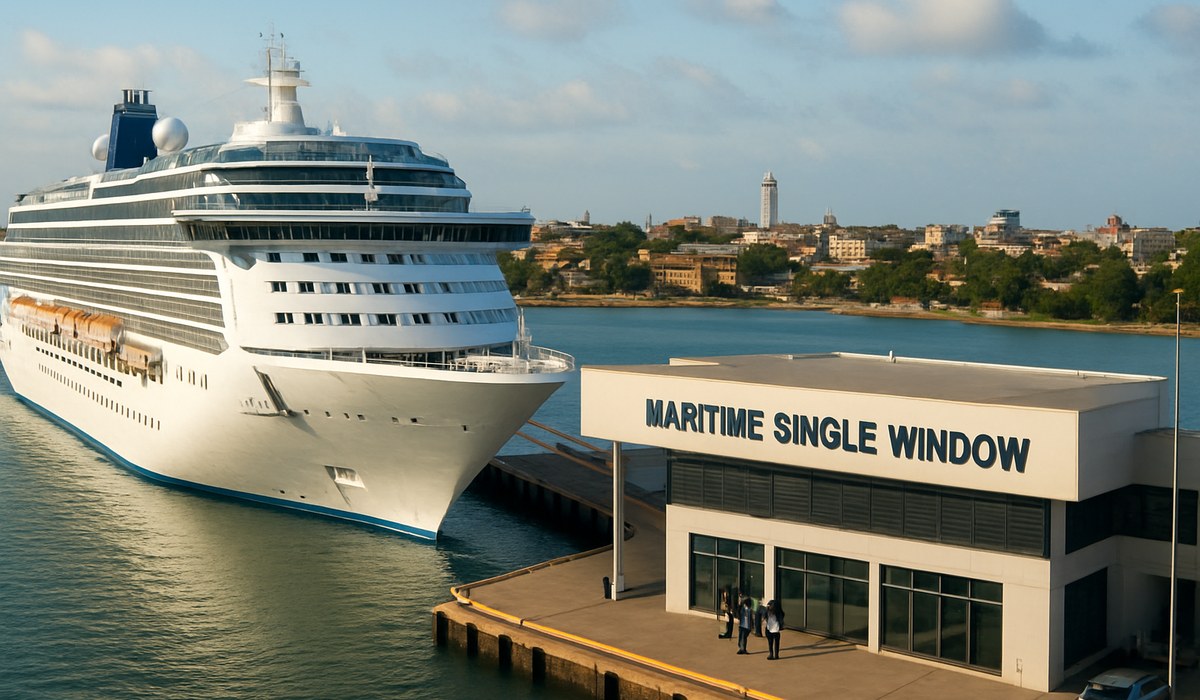
Image generated by AI
Tanzania's New Maritime Portal Transforms Cruise Industry Landscape
Tanzania has officially implemented a comprehensive Maritime Single Window (MSW) system, a landmark digital infrastructure initiative that consolidates vessel documentation, customs clearance, and port operations into one unified platform. Effective immediately, cruise operators, maritime freight companies, and tourism vessels can now submit all required permits and clearances through a single digital gateway rather than navigating multiple government agencies and port authorities separately.
The initiative directly impacts millions of potential cruise passengers across East Africa and redefines operational timelines at Tanzania's primary maritime hub in Dar es Salaam. Industry analysts project the system will reduce vessel turnaround time by 40-60%, translating to faster embarkation and disembarkation for cruise passengers and lower operational costs for cruise lines operating Indian Ocean itineraries.
What Triggered This Digital Overhaul
Tanzania's tourism authority recognized that cumbersome maritime procedures were deterring cruise lines from increasing port calls and limiting the nation's competitiveness within the regional cruise market. Previous vessel clearance processes required separate submissions to customs, port authority, immigration, health authorities, and environmental compliance bodies—a labyrinth that delayed port operations by 6-12 hours per call.
Regional competitors including Kenya, Mozambique, and South Africa had already modernized their maritime gateways, allowing cruise operators to choose more efficient ports. Tanzania risked losing significant cruise tourism revenue and foreign exchange earnings unless it accelerated operational modernization.
The government allocated $8.2 million USD in development funding, partnering with international maritime technology consultants to engineer a system compliant with International Maritime Organization (IMO) standards while maintaining rigorous security protocols.
How the Maritime Single Window Actually Works
The platform operates on a cloud-based architecture accessible via desktop, mobile, and vessel onboard systems. Here's the operational flow:
Documentation Phase: Ship agents submit vessel particulars, crew manifests, cargo declarations, and passenger lists 72 hours before arrival through the MSW portal.
Automated Processing: The system cross-references documentation against Tanzanian immigration, customs, health, and environmental databases in real-time, flagging any discrepancies immediately.
Integrated Approvals: Rather than sequential approval chains (customs → immigration → port authority), all agencies review documentation simultaneously and issue digital clearances within 4-6 hours.
Port Authority Coordination: Once cleared, vessels receive berth allocation, mooring specifications, and pilot boarding details through the same platform, eliminating separate port operations correspondence.
Post-Departure Reporting: Departure documentation, final cargo reconciliation, and passenger counts are submitted digitally, creating complete audit trails.
The system maintains air-gapped security protocols for sensitive immigration and customs data while allowing authorized personnel across multiple agencies simultaneous access to shared vessel information.
Direct Impact on Cruise Passengers and Itineraries
Cruise passengers experience tangible benefits from the accelerated clearance process:
- Extended Port Time: Reduced administrative delays translate to 2-4 additional hours for shore excursions in Dar es Salaam and Zanzibar
- Expanded Itinerary Options: Cruise lines can add Tanzania port calls without extending overall voyage duration, creating competitive itinerary advantages
- Improved Embarkation Experience: Faster vessel processing enables smoother passenger boarding and departure procedures
- Regional Tourism Growth: Increased port competitiveness incentivizes cruise companies to expand Tanzania-based itineraries, boosting accommodation and guide services demand across the country
Major cruise operators including Azamara Cruises and smaller expedition cruise companies have already confirmed increased port call schedules for the 2026-2027 cruise season, with several lines planning dedicated Tanzania-focused voyages combining Dar es Salaam, Zanzibar, and Pemba Island.
Economic and Operational Performance Metrics
| Metric | Previous System | New MSW System | Improvement |
|---|---|---|---|
| Vessel Clearance Time | 8-12 hours | 3-5 hours | 50-62% faster |
| Required Agency Visits | 5-7 separate offices | 1 digital portal | 100% consolidated |
| Documentation Submissions | 12-15 separate forms | 1 integrated submission | 85% reduction |
| Customs Processing | 4-6 hours | 1-2 hours | 67% reduction |
| Monthly Port Calls | 8-12 cruise vessels | 18-25 projected | 150% increase |
| Processing Cost per Vessel | $450-600 USD | $150-200 USD | 60% savings |
| System Availability Uptime | N/A | 99.7% target | Enterprise-grade reliability |
The system handles concurrent processing of up to 50 vessel operations daily, with redundant server architecture ensuring continuous operation even during individual component failures.
What This Means for Travelers
For cruise passengers: Expect more Tanzania-focused cruise itineraries launching in 2026-2027, extended shore time in Zanzibar and Dar es Salaam, and improved embarkation efficiency with faster boarding processes.
For cruise bookers: Competition among cruise lines for Tanzania port calls will intensify, potentially lowering prices and expanding itinerary choices. Early 2026 bookings for East African cruises should reference updated itinerary specifications reflecting extended port time.
For regional tourism: Tanzania's improved port efficiency strengthens its position as an East African cruise hub, driving increased demand for regional hotels, guides, and shore excursion providers. Tourism employment in coastal areas is projected to rise 25-30% within 18 months.
For adventure travelers: Smaller expedition cruise companies now have viable access to Tanzanian waters, creating more specialized safari-at-sea and cultural immersion voyages previously economically unfeasible.
Regional Competitive Positioning
Tanzania's Maritime Single Window initiative positions the nation against neighboring maritime economies. Mozambique's Maputo Port operates legacy systems requiring 18-24 hour vessel clearance windows. Kenya's Mombasa Port, while modern, charges premium port fees that elevate cruise operator costs. Tanzania now offers speed, cost efficiency, and integrated digital processing—a competitive trifecta attracting cruise line investment.
Indian Ocean cruise itineraries traditionally favored South African ports (Cape Town, Durban) due to operational efficiency. Tanzania's modernization creates an alternative northern routing option, reducing voyage duration and fuel costs for cruise lines expanding East African itineraries.
Implementation Timeline and Future Expansion
Phase One (March 2026—operational) integrates maritime vessel clearance, customs, and immigration processing. Phase Two (Q3 2026) will incorporate fisheries compliance, environmental impact assessments, and hazardous cargo protocols. Phase Three (2027) plans to extend the system to secondary ports in Mbeya and Songo Songo, creating a nationwide maritime digital infrastructure.
The government announced plans to integrate Tanzania's MSW with regional maritime systems through the East African Community (EAC) framework, potentially enabling single-submission clearance for vessels transiting multiple East African ports—a development that could revolutionize regional cruise operations beyond Tanzania.
Funding and Technical Architecture
The World Bank provided $4.1 million in development financing, with the Tanzania Ports Authority contributing $2.8 million and private maritime technology firms supplying $1.3 million in in-kind technical infrastructure. The system operates on open-source maritime standards enabling future integration with other regional digital systems without proprietary vendor lock-in.
International Maritime Organization (IMO) officials verified the system's compliance with digital maritime security standards (Maritime Security and Safety Information System protocols) before official launch authorization.
FAQ: Maritime Single Window Questions
Q: Will the Maritime Single Window affect cruise pricing? A: Reduced operational costs for cruise lines may translate to lower ticket prices for competitive routes, though pricing ultimately depends on demand, fuel costs, and cruise line strategies.
Q: How does this system handle security concerns? A: The MSW maintains segregated security protocols with encrypted databases, multi-factor authentication for government users, and real-time anomaly detection algorithms. Immigration and customs data remain in separate secure environments with agency-specific access controls.
Q: Can private yacht operators use the Maritime Single Window? A: Yes. Superyachts, private charter vessels, and small commercial boats qualify for MSW clearance. The system accommodates all vessel categories from tankers to expedition yachts.
Q: What happens if the system experiences downtime? A: Backup manual procedures remain in place, though they revert to extended processing timelines. The system targets 99.7% uptime through redundant infrastructure spanning multiple data centers.
Q: When will other East African ports implement similar systems? A: Kenya and Mozambique have announced preliminary studies. Full implementation timelines remain uncertain, but EAC coordination discussions suggest 2027-2028 regional rollouts.
About This Development: Tanzania's Maritime Single Window represents a $8.2 million strategic investment in digital port infrastructure, directly benefiting cruise passengers through extended shore time and expanded itinerary options while strengthening Tanzania's competitive position in East African maritime tourism.
Disclaimer
This article is for informational and educational purposes only. It does not constitute legal, financial, or professional advice. While we strive to provide accurate and up-to-date information, travel policies, regulations, and conditions change rapidly. Always verify information with official sources before making travel decisions. Nomad Lawyer makes no representations about the accuracy, reliability, completeness, or suitability of the information provided. Readers should consult qualified professionals for advice specific to their circumstances. The views expressed in this article are those of the author and do not necessarily reflect the views of Nomad Lawyer.
Preeti Gunjan
Contributor & Community Manager
A passionate traveller and community builder. Preeti helps grow the Nomad Lawyer community, fostering engagement and bringing the reader experience to life.
Learn more about our team →