
Travel Outfit Warning: Why Your Plane Clothing Choice Matters in 2026
Aviation safety experts warn that synthetic leggings and tight athleisure worn on planes can melt in emergencies, potentially worsening burn injuries. Here's what travelers should wear instead in 2026.

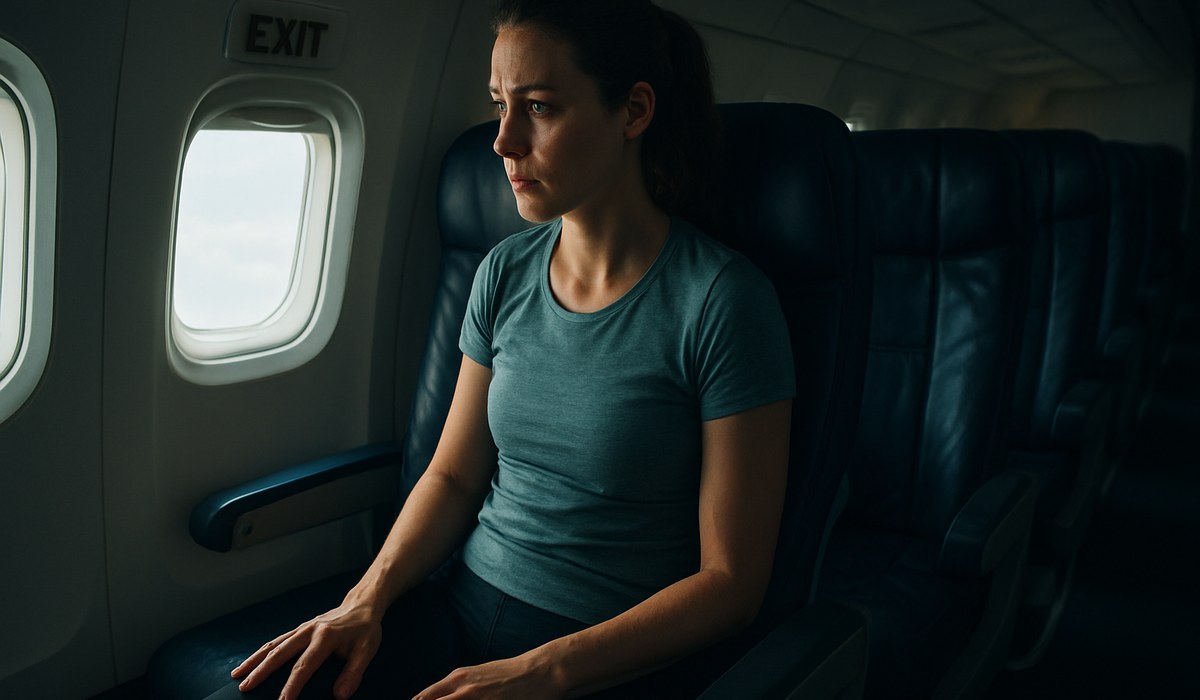
Image generated by AI
The Trending Plane Outfit That Safety Experts Are Flagging
Leggings and synthetic athleisure dominate airport terminals worldwide, but aviation safety organizations are raising fresh concerns about this viral travel trend. Influencers and travel bloggers have normalized wearing form-fitting polyester and nylon activewear as the standard long-haul uniform, citing comfort and packability. However, publicly available fire safety guidance reveals that synthetic fabrics commonly used in popular leggings can melt when exposed to extreme heat, potentially fusing to skin during emergencies. This disconnect between social media's aesthetic and actual in-flight safety protocols has prompted renewed discussion among passengers and carriers. The core issue isn't about fashion shaming—it's about understanding how fabric behavior changes during evacuation scenarios or cabin fires at 35,000 feet.
Synthetic Fabrics Behave Dangerously at High Temperatures
Synthetic materials used in standard travel leggings—polyester, nylon, and rayon—have documented thermal vulnerabilities that natural fibers do not share. Fire safety research submitted to aviation regulatory bodies consistently shows that non-treated synthetic fabrics ignite quickly and continue burning after heat exposure stops. When lightweight polyester or nylon activewear comes into contact with intense temperatures during an onboard emergency, the fabric doesn't simply char like cotton or wool. Instead, it softens and melts, adhering directly to skin and deepening thermal injuries far beyond what the heat alone would cause.
A published aviation safety guide notes that synthetic hosiery and fine activewear can shrink or liquefy when heated. Molten fabric embedding into skin complicates emergency medical treatment and leaves passengers with more severe injuries. Natural fiber alternatives—cotton, wool, denim, and leather—generally char rather than melt, providing better thermal protection during brief, high-heat exposure events. For daily travelers, this means figure-hugging leggings made primarily from synthetics offer minimal protection in worst-case scenarios. Their close fit eliminates the insulating air gap between fabric and skin, while their fiber composition directly contributes to thermal injury severity.
Movement Restriction and Circulatory Health Concerns
Beyond fire risk, tight synthetic clothing creates a secondary travel outfit warning that affects passenger health during extended flights. Medical professionals specializing in travel medicine frequently flag deep vein thrombosis (DVT) risk—a blood clot condition developing during prolonged immobility. While dehydration, pre-existing conditions, and sitting duration all influence clot formation, clothing choice directly impacts leg circulation and movement patterns.
Health organizations recommend either loose, unrestricted garments or properly fitted medical-grade compression wear used correctly. Casual high-compression leggings from waist to ankle can restrict blood flow and create pressure points, potentially increasing DVT risk rather than preventing it. Non-medical shapewear and snug athleisure stacked in multiple layers discourage passenger movement during flights—exactly what circulatory health demands to prevent. Travel medicine specialists consistently suggest pairing properly fitted compression socks with looser trousers rather than stacking multiple tight layers. The goal balances venous support without constricting blood flow. Fashion-focused outfits that prioritize silhouette over circulation function work against evidence-based health guidance for long-haul travel.
What Airlines and Safety Organizations Actually Recommend
Major carriers and aviation safety bodies converge on similar clothing recommendations for optimal in-flight protection. Natural fiber garments—cotton, wool, denim, and leather—provide superior heat resistance without melting characteristics. Long trousers and long-sleeved tops protect larger body surface areas from potential abrasions, hot surfaces, spilled liquids, or flame exposure during evacuations.
[Federal Aviation Administration (FAA) guidance](https://www.faa.gov/passengers/) emphasizes roomy, breathable clothing that permits easy movement through narrow cabin aisles and over seat rows during emergency exits. Fabrics that fit properly—neither dangerously tight nor excessively loose—minimize snagging on armrests, seatbelts, or exposed cabin hardware during rapid evacuations. Lightweight, breathable layers enable passengers to adjust to varying cabin temperatures without restrictive wrapping. Airlines like United Airlines and Delta Air Lines publish passenger safety briefings acknowledging that clothing choice influences evacuation efficiency and injury severity. The emerging message shifts from appearance-focused packing to risk-management-focused preparation.
Specific Fabric Choices and Thermal Performance Data
Understanding specific materials helps travelers make informed plane clothing choices. This comparison table shows how common travel fabrics perform under thermal stress:
| Fabric Type | Thermal Behavior | Melting Point | Burn Risk Level | Recommended for Flying |
|---|---|---|---|---|
| 100% Cotton | Chars gradually | No melt point | Low | Yes |
| Wool Blends | Chars with shrinking | No melt point | Low | Yes |
| Denim (Cotton) | Chars slowly | No melt point | Very Low | Excellent |
| Leather/Suede | Hardens when heated | No melt point | Moderate | Yes |
| Polyester (100%) | Melts and adheres to skin | 250–290°C (482–554°F) | High | Avoid for base layers |
| Nylon | Melts quickly | 215–225°C (419–437°F) | High | Avoid entirely |
| Rayon | Melts and ignites | 190–210°C (374–410°F) | Very High | Avoid |
| Spandex/Elastane Blends | Melts into skin | 180–200°C (356–392°F) | Very High | Avoid |
Synthetic-heavy activewear combines multiple high-risk materials in single garments. A typical "athleisure" legging labeled 88% polyester / 12% spandex creates dual melting hazards with the lowest combined melting points on this spectrum.
Emergency Evacuation Scenarios and Real-World Impact
Cabin fire emergencies remain statistically rare, but when they occur, fabric choice determines injury severity outcomes. Aircraft accident investigations from the past two decades document cases where passenger clothing—particularly synthetic tight-fitting garments—worsened thermal injuries during evacuations. Smoke inhalation combined with heat exposure creates compound injuries that synthetic fabric adhesion substantially complicates.
Flight crew safety protocols explicitly forbid tight synthetic base layers during professional duty hours. Cabin crew members wear natural fiber uniforms with specific thermal properties validated through testing. This professional standard reflects decades of incident analysis showing that fabric composition directly influences survival and recovery outcomes. Passengers boarding the same aircraft don't face crew-level safety mandates, but the underlying physics of fabric behavior applies equally across the cabin. A detailed safety analysis published by the National Transportation Safety Board references clothing-related injury complications in post-incident medical reports. Every major international carrier's safety documentation now mentions clothing choice in passenger briefing materials, signaling industry-wide acknowledgment of this risk factor.
Practical Travel Outfit Solutions for 2026 and Beyond
Smart travelers can maintain comfort while reducing in-flight safety risks through deliberate fabric selection. Start with base layers made entirely from cotton or merino wool instead of polyester or nylon blends. Choose loose-fitting or gently tapered trousers rather than skin-tight leggings—comfort and safety align perfectly here. Add a natural fiber cardigan or lightweight jacket rather than synthetic hoodies; wool and cotton provide warmth without thermal hazards.
For footwear, slip-on shoes remain convenient, but ensure they're constructed from leather or canvas rather than synthetic mesh materials. Compression socks for circulation support should be specifically labeled as medical-grade and properly sized; casual compression leggings don't provide equivalent benefit and create melting risks. Pack a change of clothes in carry-on luggage rather than wearing your athletic outfit through the entire journey. This strategy lets you change into more protective garments before boarding while keeping your preferred comfort clothes accessible at your destination.
Airlines including Southwest Airlines and American Airlines increasingly offer passenger education about cabin safety gear, including clothing recommendations. Some travelers now pack a simple linen or cotton change of clothes specifically for flights, reserving athletic wear for airport gym use before departure.
What This Means for Travelers
Actionable steps to protect yourself through clothing choices:
-
Replace synthetic leggings with natural-fiber alternatives – Cotton, wool, or denim trousers offer equal comfort with significantly better thermal protection during emergencies.
-
Layer with natural fibers only – Swap polyester hoodies and spandex jackets for cotton cardigans or wool sweaters that won't adhere to skin if exposed to heat.
-
Prioritize proper fit over appearance – Loose or gently tapered clothing permits faster evacuation movement and eliminates circulation-restricting pressure points linked to DVT risk.
-
Invest in medical-grade compression socks if needed – These specifically designed garments support circulation without the melt risks of casual high-compression leggings.
-
Pack a dedicated flight outfit – Keep natural-fiber clothes in carry-on luggage to change into before boarding, reserving synthetic activewear for pre-flight or post-arrival activities.
-
Check airline safety guidance – Review your carrier's official passenger safety recommendations before packing; many now address fabric composition explicitly.
Frequently Asked Questions About Travel Outfit Warnings
What is the main travel outfit warning experts are issuing in 2026? Aviation safety organizations warn that synthetic leggings and tight polyester activewear can melt and adhere to skin during cabin fires or heat emergencies, causing severe thermal injuries. Natural fibers like cotton and wool char rather than melt, offering superior protection during high-temperature evacuation scenarios.
Can tight leggings really increase the risk of blood clots during plane flights? Non-medical compression leggings can restrict blood flow and discourage passenger movement during flights, both factors that increase deep vein thrombosis risk. Medical professionals recommend either loose clothing or properly fitted medical-grade compression socks paired with looser trousers for optimal circulation support during long-haul travel.
Which fabrics should I wear instead of polyester and nylon when flying? Choose 100% cotton, wool blends, denim, or leather for base layers and main garments. These natural fibers resist melting and generally char rather than liquefy when exposed to heat, protecting skin from adhesion injuries and severe burns during emergency scenarios.
Does the travel outfit warning apply to all flights or only long-haul routes? The primary concern—fabric melting behavior during heat emergencies—applies equally to all flight durations and routes. However, circulation concerns related to tight clothing primarily affect passengers on flights lasting four or more hours with extended periods of immobility.
Related Travel Guides
Ultimate Packing Guide for Long-Haul Flights 2026 Aviation Safety Tips Every Passenger Should Know Deep Vein Thrombosis Prevention: Travel Health Essentials
Disclaimer
This article is for informational and educational purposes only. It does not constitute legal, financial, or professional advice. While we strive to provide accurate and up-to-date information, travel policies, regulations, and conditions change rapidly. Always verify information with official sources before making travel decisions. Nomad Lawyer makes no representations about the accuracy, reliability, completeness, or suitability of the information provided. Readers should consult qualified professionals for advice specific to their circumstances. The views expressed in this article are those of the author and do not necessarily reflect the views of Nomad Lawyer.
Raushan Kumar
Founder & Lead Developer
Full-stack developer with 11+ years of experience and a passionate traveller. Raushan built Nomad Lawyer from the ground up with a vision to create the best travel and law experience on the web.
Learn more about our team →