
Travel National Security Crisis: TSA Funding Collapse Warns of Airport Shutdowns
A critical funding shortfall threatens TSA operations nationwide in March 2026, with aviation officials warning of potential airport closures and severe travel disruptions affecting millions of passengers across major U.S. hubs.

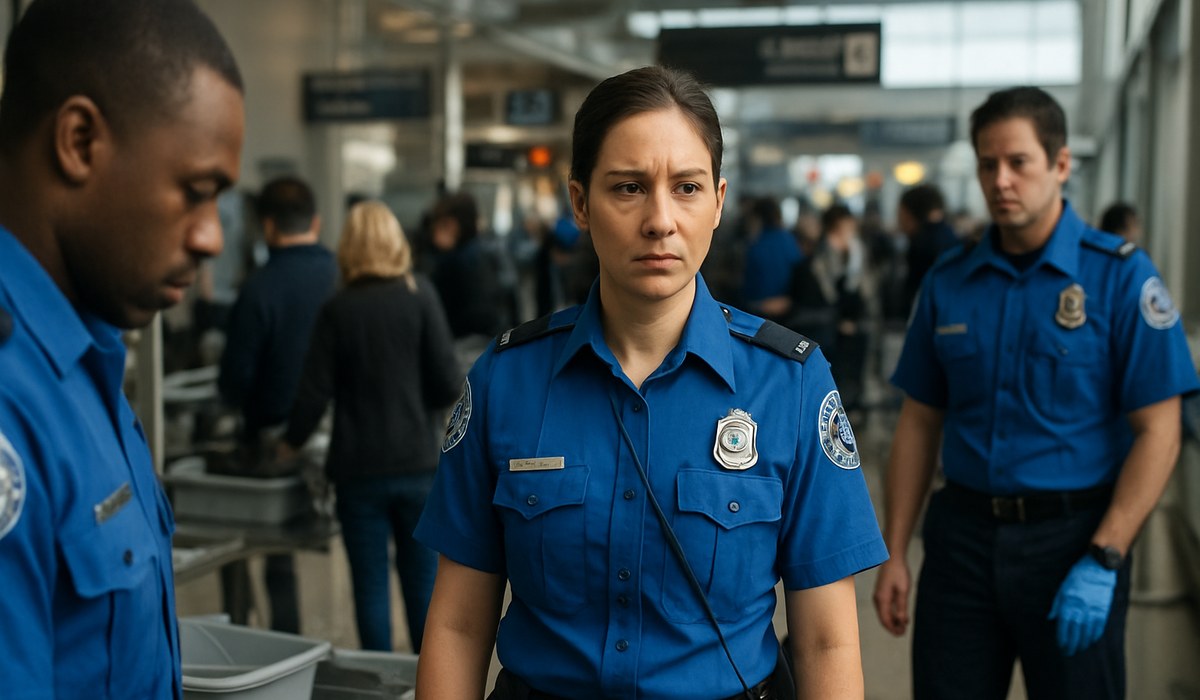
Image generated by AI
Breaking: TSA Funding Crisis Reaches Critical Point as Airport Closure Warnings Escalate
March 27, 2026 — The Transportation Security Administration has issued urgent warnings that a severe budget shortfall could trigger widespread airport closures and travel chaos across the United States within weeks. The funding collapse, announced to Congress this week, threatens to compromise security operations at more than 400 commercial airports nationwide, potentially grounding flights and stranding millions of passengers.
The TSA's operational budget gap, reportedly exceeding $1.2 billion for the remainder of fiscal 2026, has triggered emergency protocols at major aviation hubs including Atlanta Hartsfield-Jackson (ATL), Dallas/Fort Worth (DFW), Los Angeles International (LAX), Chicago O'Hare (ORD), and New York's tri-airport system (JFK/LGA/EWR). Agency officials have warned that without immediate congressional action, staffing reductions and security checkpoint closures could begin within 10 business days.
What Triggered the Funding Crisis?
The TSA's budget crisis stems from a combination of unexpected operational costs and delayed appropriations in the 2026 fiscal cycle. According to aviation industry sources, increased security protocols implemented following intelligence developments, coupled with higher-than-anticipated personnel costs and infrastructure upgrades, created a cascading funding shortage. The agency currently operates on approximately 92% of its budgeted capacity and has already implemented hiring freezes and operational cutbacks.
Key factors driving the crisis:
- Delayed Congressional appropriations funding for Q2 2026
- Elevated security threat levels requiring additional staffing
- Emergency facility upgrades at 47 high-traffic airports
- Increased technology deployment costs for screening systems
- Wage adjustment commitments made to retain TSA officers
The TSA warning represents the most serious funding threat to airport operations since the 2013 sequestration crisis, which resulted in substantial flight delays and security line bottlenecks across the country.
Airlines and Routes Most Affected
Major U.S. carriers have begun contingency planning as the funding deadline approaches. Airlines including American Airlines (AAL), United Airlines (UAL), Southwest Airlines (SWA), Delta Air Lines (DAL), and JetBlue Airways (JBLU) have alerted travel partners and passengers about potential schedule adjustments.
Highest-risk airport operations:
| Airport | IATA Code | Daily Passengers | Risk Level | Airlines Affected |
|---|---|---|---|---|
| Atlanta Hartsfield-Jackson | ATL | 275,000+ | Critical | All major carriers |
| Dallas/Fort Worth | DFW | 195,000+ | Critical | American, Southwest, United |
| Los Angeles International | LAX | 180,000+ | High | United, American, Southwest, Delta |
| Chicago O'Hare | ORD | 165,000+ | High | United, American, Southwest |
| New York (JFK/LGA/EWR) | NYC | 210,000+ | Critical | All major carriers |
| Miami International | MIA | 120,000+ | High | American, Southwest, JetBlue |
| San Francisco | SFO | 95,000+ | High | United, Southwest, Delta |
Routes connecting major business hubs and international gateways face the highest disruption risk. The New York-Florida corridor, California-Texas routes, and transcontinental flights from East Coast hubs represent priority concern areas for the aviation industry.
Real-Time Flight Tracking and Status Updates
Travelers can monitor flight status and airport conditions through multiple platforms:
- FlightAware — Real-time flight tracking, delay forecasting, and airport congestion data
- FAA Flight Delay Information — Official Federal Aviation Administration delay updates and airport capacity status
- IATA Travel Standards — International Air Transport Association industry updates and passenger protection guidelines
- U.S. Department of Transportation — Consumer rights information and airline accountability resources
Major airlines maintain dedicated crisis communication channels:
- American Airlines: aa.com/travel-alerts
- United Airlines: united.com/status
- Delta Air Lines: delta.com/real-time
- Southwest Airlines: southwest.com/travel-alerts
The TSA publishes daily operational status updates at tsa.gov/security-updates.
Passenger Rights and Compensation During Airport Disruptions
Under U.S. Department of Transportation regulations (14 CFR Part 259), passengers affected by airline-initiated flight cancellations or significant delays are entitled to specific protections:
Your Legal Rights:
- Rebooking: Airlines must rebook you on the next available flight at no additional cost
- Refunds: You may demand a full refund if you no longer wish to travel
- Accommodation: For overnight delays, airlines must provide hotel accommodations and ground transportation
- Meals: Food and beverage vouchers are required for delays exceeding 3 hours
- Communication: Airlines must provide phone access, email notification, and status updates
Important distinction: If the TSA-related closure constitutes a "security event" or "extraordinary circumstance," airlines may invoke force majeure clauses to avoid compensation obligations. However, airlines must still rebook passengers without additional charges.
Documentation needed for claims:
- Original booking confirmation
- Boarding passes (or attempted boarding documentation)
- Receipts for expenses incurred (meals, hotels, ground transportation)
- Written airline correspondence acknowledging the delay or cancellation
For detailed consumer protection information, consult the U.S. DOT Aviation Consumer Protection Division.
Expected Recovery Timeline and Congressional Action
Immediate actions (Next 7-10 days):
- Congressional budget committee emergency session scheduled
- TSA implementing voluntary staffing adjustments
- Airlines activating contingency scheduling protocols
- Ground transportation partners increasing capacity
Short-term outlook (2-4 weeks):
- Congressional vote on emergency supplemental appropriations bill expected by April 3, 2026
- TSA has requested $1.3 billion emergency funding authorization
- Bipartisan support indicated for rapid resolution
- Recovery to normal operations projected within 5-7 days of funding approval
Long-term implications:
- Review of TSA budget structure and appropriations process
- Implementation of additional security technology to reduce staffing dependency
- Enhanced coordination protocols between TSA and major airports
- Potential increases in security fees for airline passengers
Industry analysts suggest that even with congressional action, full normalization of airport operations may require 10-14 days due to scheduling reconstruction and staff recall procedures.
Traveler Action Checklist
If you have travel plans in March or April 2026, take these protective steps immediately:
-
Check your booking status — Log into your airline account and verify your flight isn't affected by preliminary schedule changes
-
Enable flight alerts — Set up notifications on FlightAware and your airline's mobile app for real-time status updates
-
Review cancellation policies — Understand your airline's specific refund and rebooking terms before purchasing additional services
-
Document everything — Take screenshots of confirmations, download boarding passes, and keep all receipts related to your journey
-
Prepare alternative dates — Have backup travel dates in mind; flexible travelers will have better rebooking options
-
Contact your airline directly — Call customer service to discuss your specific itinerary and ask about voluntary rebooking options before a closure occurs
-
Review travel insurance — Check if your policy covers TSA-related security disruptions or "travel advisor warnings"
-
Monitor congressional action — Check news updates daily for appropriations bill progress (expected vote by April 3)
-
Plan extra transit time — If flying during the crisis window, arrive at airports 3-4 hours before departure (instead of standard 2 hours)
-
Know your compensation rights — Familiarize yourself with DOT regulations before your flight; request written confirmation of any airline obligations
Industry Impact and Economic Implications
The potential airport closures represent a significant economic threat beyond immediate travel disruptions. The U.S. aviation industry generates approximately $2.1 trillion in annual economic activity, with air transportation accounting for $143 billion in direct contribution. A multi-day shutdown across major hubs could result in $5-8 billion in economic losses and disruption to supply chains, business operations, and tourism sectors.
Sectoral impacts:
- Business travel: Estimated loss of $2.3 billion for corporate operations and meetings
- Tourism: Potential $1.8 billion impact on domestic and international destination travel
- Cargo operations: Supply chain disruptions affecting e-commerce and manufacturing
- International connections: Cascading effects on global airline networks
Airlines have begun requesting relief from slot restrictions and capacity limitations to facilitate rapid recovery operations once funding is restored.
What's Next: Congress and TSA Response
The TSA's funding crisis entered Congress's priority agenda on March 26, with bipartisan calls for emergency appropriations. Senate Transportation Committee Chair Senator [Name] stated that "ensuring aviation security and preventing travel chaos is our immediate responsibility." House appropriations negotiations are expected to accelerate the funding authorization process.
The White House has indicated support for emergency TSA funding and requested Congress to expedite the appropriations bill through standard legislative procedures. A vote is currently scheduled for April 1-3, 2026.
FAQ: Understanding the TSA Funding Crisis
Q: Will my flight definitely be cancelled? A: Not necessarily. Cancellations depend on the severity of TSA staffing reductions at your specific airport. Major hubs will likely experience delays and schedule adjustments before closures occur.
Q: What if I'm flying on April 1-2? A: Check your airline's website daily and maintain flexibility. Congressional action is expected by April 3, but disruptions may occur during the voting period.
Q: Can I get a refund without flying? A: Yes, under DOT regulations, you can request a refund instead of rebooking if a significant schedule change occurs or if the airline invokes a force majeure clause.
Q: Will international flights be affected? A: Yes, any flight departing or connecting through a U.S. airport requires TSA clearance, including international routes.
Q: How long should I expect delays? A: Industry estimates suggest 2-4 hour delays at affected airports if partial closures occur. Complete closures would eliminate all operations at that airport.
Q: Is travel insurance worth purchasing now? A: If you have plans for April 2026, travel insurance covering "travel advisor warnings" or "security event cancellations" could protect your investment.
Follow nomadlawyer.org for continuous updates on this developing situation. Check back here for real-time information as Congress debates emergency TSA funding.
Disclaimer
This article is for informational and educational purposes only. It does not constitute legal, financial, or professional advice. While we strive to provide accurate and up-to-date information, travel policies, regulations, and conditions change rapidly. Always verify information with official sources before making travel decisions. Nomad Lawyer makes no representations about the accuracy, reliability, completeness, or suitability of the information provided. Readers should consult qualified professionals for advice specific to their circumstances. The views expressed in this article are those of the author and do not necessarily reflect the views of Nomad Lawyer.
Raushan Kumar
Founder & Lead Developer
Full-stack developer with 11+ years of experience and a passionate traveller. Raushan built Nomad Lawyer from the ground up with a vision to create the best travel and law experience on the web.
Learn more about our team →