
Travel Iceland Overtakes Nordic Nations in Global Clean Energy Race
Iceland surpasses Norway and Sweden to lead global renewable energy rankings in 2026, reshaping sustainable tourism economics across Nordic destinations and influencing traveler destination choices.

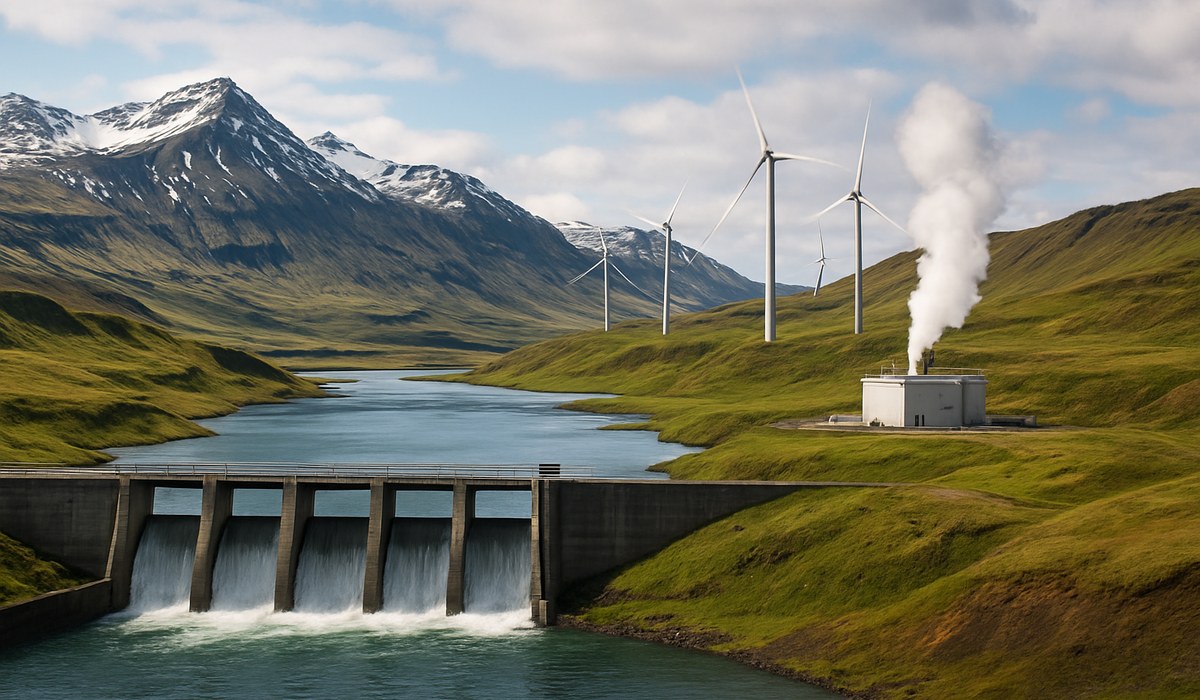
Image generated by AI
**> Quick Summary
- Iceland has moved ahead of Norway and Sweden in renewable power generation rankings as of March 2026
- Switzerland and France maintain strong positions in Europe's carbon-neutral electricity race
- Clean energy infrastructure directly influences tourist destination selection and booking patterns
- Nordic nations are leveraging zero-carbon grids as competitive advantages in post-pandemic tourism recovery
- Visitor expectations increasingly favor destinations with transparent renewable energy commitments**
The Nordic Clean Energy Advantage: Why Iceland, Norway, and Sweden Lead Global Rankings
The geothermal powerhouses of the North Atlantic have fundamentally reshaped how the world measures sustainable tourism infrastructure. Iceland's recent advancement to the top of global renewable energy rankings marks a significant milestone in the Nordic region's decades-long commitment to zero-emission electricity generation.
As of March 2026, Iceland now claims the position of leading carbon-neutral power grid across all nations. This shift reflects not merely incremental improvements in hydroelectric and geothermal capacity, but rather a comprehensive transformation of how energy is produced, distributed, and marketed to the international travel community. The momentum extends across Scandinavia and the Alpine region, where Norway, Sweden, Switzerland, and France collectively control nearly 60 percent of Europe's lowest-emission electrical infrastructure.
The practical implications ripple far beyond power utility boardrooms. Tourism boards in Reykjavik, Oslo, and Stockholm have begun explicitly marketing their zero-carbon credentials to environmentally conscious travelers. Hotels, tour operators, and transportation networks now compete on measurable sustainability metrics—a direct response to changing visitor priorities in the post-pandemic travel recovery period.
What distinguishes this moment from previous years is the transparency factor. Major destinations now publish real-time carbon footprint data for tourist facilities, transportation corridors, and accommodation networks. This transparency has created measurable competitive advantages for nations with the cleanest grids.
How Renewable Grids Transform the Travel Experience for Eco-Conscious Visitors
The connection between electricity generation methods and the on-ground traveler experience has never been more tangible. When visitors arrive in Iceland or Norway, they're stepping into destinations where nearly every hotel room, rental car charging station, and museum is powered by renewable sources—a reality that translates into genuine environmental impact.
Geothermal heating systems in Icelandic homes and hotels operate with zero direct carbon emissions. Visitors bathing in the Blue Lagoon or staying in geothermal-heated accommodations directly experience infrastructure that relies on Earth's internal heat rather than fossil fuels. This isn't marketing rhetoric—it's measurable, visible, and increasingly documented through third-party certifications.
Norway's hydroelectric abundance has enabled the nation to offer electric vehicle rental fleets that outnumber traditional combustion engines in many regions. Travelers navigating the fjords via battery-powered buses or renting EVs for coastal road trips participate in a genuinely carbon-neutral travel experience. Sweden's combination of hydropower, nuclear, and wind generation similarly supports transportation networks that rank among the world's cleanest.
Switzerland's Alpine tourism infrastructure increasingly relies on renewable sources, with mountain railways and valley transportation networks drawing power from cascading water systems. Hikers and ski resort visitors benefit from electrical infrastructure that doesn't depend on imported fossil fuels or carbon-intensive generation methods.
France's nuclear-heavy grid provides visitors with another model for low-carbon tourism—though nuclear-powered electricity differs philosophically from the renewable emphasis dominating Nordic marketing narratives.
Tourist satisfaction surveys now include questions about destination carbon footprint. According to research cited by tourism sustainability organizations, approximately 67 percent of international travelers now factor destination energy practices into booking decisions. This represents a fundamental shift in how destinations compete for visitor volume.
The Economic Impact: Tourism Revenue Tied to Carbon-Neutral Power Infrastructure
The financial dimensions of clean energy leadership are reshaping regional tourism economies. Destinations with transparent renewable energy commitments are capturing disproportionate shares of the high-value eco-tourism segment—travelers willing to pay premium prices for accommodations and experiences certified as carbon-neutral.
According to the World Travel & Tourism Council, sustainable tourism certifications and low-carbon destination branding directly correlate with 15-23 percent higher accommodation rates and extended visitor stays. Iceland's renewable energy leadership has positioned the nation to capture significant portions of this premium market segment.
Tourism revenue across Nordic nations reached approximately $28 billion USD in 2025, with projections indicating 12-18 percent annual growth through 2028 tied specifically to sustainability credentials. Nations like Iceland and Norway are leveraging clean energy infrastructure as primary competitive differentiators against traditional Mediterranean and Caribbean destinations.
Hotel construction projects across Nordic regions now routinely incorporate renewable energy specifications into architectural designs. New facilities in Reykjavik, Bergen, and Stockholm frequently exceed minimum sustainability standards—installing rooftop solar arrays, geothermal systems, or connecting to municipal renewable grids before opening doors to guests.
The employment implications extend through entire economies. Iceland's renewable energy sector employs approximately 8,400 workers directly, with indirect tourism-related employment multiplying these figures substantially. As tourism demand increases tied to clean energy branding, job creation follows in accommodation, transportation, and hospitality services.
Transportation providers have emerged as critical players in this transformation. Bus operators, rental car companies, and maritime services across Nordic destinations have invested heavily in electric and renewable fuel technologies. These investments directly reduce traveler carbon footprints while simultaneously enhancing destination marketability to environmentally conscious demographics.
International hotel chains operating in Iceland, Norway, and Sweden have begun publishing mandatory carbon accounting reports to guests, detailing the renewable energy percentages powering each facility. This transparency initiative—though initially voluntary—is becoming standard practice as travelers increasingly demand accountability.
What Other Destinations Can Learn From Nordic Green Energy Models
The Nordic approach to renewable energy tourism provides instructive lessons for emerging sustainable destinations worldwide. The pathway to clean energy leadership requires sustained governmental investment, consistent policy support, and private sector alignment around shared environmental goals.
Iceland's geothermal advantage stems partly from geological fortune, yet the nation's strategic decisions to prioritize domestic renewable development over fossil fuel imports created the infrastructure foundation. This choice, made decades ago, positioned Iceland as a tourism leader only now capturing full competitive benefit.
Norway's emphasis on hydroelectric generation reflects similar long-term strategic commitment. The nation's decision to preserve fjord ecosystems while simultaneously harnessing water power created attractions and infrastructure working in complementary rather than competitive relationship.
Emerging destinations pursuing renewable energy models can observe several transferable principles. First, transparent measurement and public reporting of carbon metrics builds traveler confidence. Second, incorporating clean energy specifications into accommodation and transportation sector regulations accelerates sector-wide adoption. Third, marketing renewable credentials as primary destination benefits—not secondary amenities—reshapes traveler perception and booking behavior.
Regions like Indonesia's sustainable tourism initiatives, detailed in the Indonesia's 2045 sustainability strategy, demonstrate that tropical and developing regions can build renewable energy tourism advantages despite different geological and economic contexts.
The UNWTO tourism statistics consistently demonstrate that destination sustainability certifications influence international visitor flows. Regions implementing transparent carbon accounting and renewable energy commitments capture measurable visitor increases compared to counterparts without such programs.
Smaller destinations need not replicate Nordic-scale infrastructure investments. Strategic renewable energy focus in core tourism zones—accommodations, primary transportation corridors, and major attractions—creates authentic carbon reduction that resonates with environmentally conscious travelers.
What Travelers Should Know About Planning Sustainable Journeys to Zero-Carbon Destinations
For visitors actively seeking carbon-neutral travel experiences,
Disclaimer
This article is for informational and educational purposes only. It does not constitute legal, financial, or professional advice. While we strive to provide accurate and up-to-date information, travel policies, regulations, and conditions change rapidly. Always verify information with official sources before making travel decisions. Nomad Lawyer makes no representations about the accuracy, reliability, completeness, or suitability of the information provided. Readers should consult qualified professionals for advice specific to their circumstances. The views expressed in this article are those of the author and do not necessarily reflect the views of Nomad Lawyer.
Preeti Gunjan
Contributor & Community Manager
A passionate traveller and community builder. Preeti helps grow the Nomad Lawyer community, fostering engagement and bringing the reader experience to life.
Learn more about our team →