
Travel Frustration Reaches Crisis Point: 899 Flights Delayed, 70 Cancelled
Travel frustration reaches new heights in March 2026 as 899 flights delayed and 70 scrapped across Texas, Florida, California, and New York—Spirit and United hardest hit.

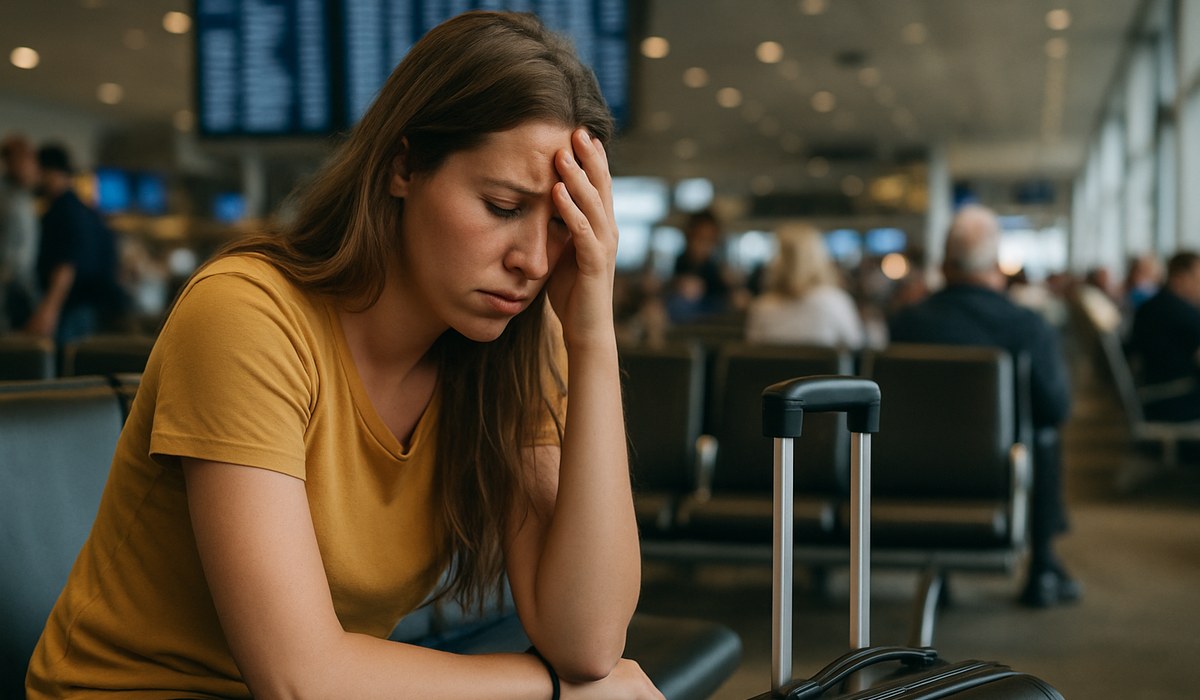
Image generated by AI
Quick Summary • Nearly 1,000 flights disrupted today across four major US travel corridors • Spirit Airlines and United face the worst operational breakdowns with cascading delays • Passengers in Texas, Florida, California, and New York experience the heaviest impacts • DOT regulations entitle travellers to specific compensation and rebooking rights
If you're flying through Texas, Florida, California, or New York today, your odds of facing delays just hit 899-to-1—and cancellations are stacking up fast. Real-time data reveals systemic operational breakdowns at major US hubs as Spirit and United struggle with cascading delays affecting nearly 1,000 flights across four critical travel corridors.
The disruption began early this morning and has intensified throughout the day, creating a domino effect that's left thousands of passengers stranded at gates, scrambling for alternative routes, or sleeping on terminal floors.
Breaking Down Today's Flight Disruption Numbers
According to FlightAware's live delay statistics, 899 flights experienced significant delays while 70 were completely scrapped as of mid-morning. The numbers represent one of the worst single-day operational failures in recent months for the domestic US aviation network.
Texas airports account for roughly 30% of the total delays, with Dallas Fort Worth International (DFW) and George Bush Intercontinental (IAH) bearing the brunt. Florida follows closely with Tampa International (TPA), Orlando International (MCO), and Miami International (MIA) all reporting triple-digit delays.
California's major gateways—Los Angeles International (LAX), San Francisco International (SFO), and San Diego International (SAN)—collectively experienced 215 delays. New York's John F. Kennedy International (JFK) and Newark Liberty International (EWR) rounded out the troubled quartet with 178 combined delays.
The scale of disruption suggests systemic issues beyond isolated weather events. Air traffic control bottlenecks, crew scheduling conflicts, and aircraft positioning problems have compounded initial weather-related slowdowns across multiple time zones.
Similar patterns emerged during international travel disruptions earlier this month, though today's breakdown stems primarily from airline operational challenges rather than external labour actions.
Which Airlines and Routes Are Hit Hardest
Spirit Airlines bears the dubious distinction of recording the highest cancellation rate among major carriers. The ultra-low-cost airline scrapped 28 flights—representing 40% of today's total cancellations—with Fort Lauderdale-Hollywood International (FLL) serving as the epicentre of disruption.
United Airlines follows with 19 cancelled flights concentrated primarily on routes connecting Newark, Houston, and San Francisco. The carrier's hub-and-spoke model amplified delays as missed connections cascaded through its network.
Specific routes experiencing the worst delays include:
Texas-California corridor: Houston to San Francisco averaging 137-minute delays
Florida-New York routes: Miami to JFK recording 142-minute average delays
Intra-California flights: Los Angeles to San Francisco experiencing 89-minute delays
Texas-Florida connections: Dallas to Orlando delayed by an average of 114 minutes
Regional carriers operating short-haul routes within these states also reported significant disruptions, though legacy carriers like American and Southwest maintained relatively stronger operational performance despite environmental challenges.
Passengers travelling on codeshare flights face additional complications. When the operating carrier cancels a flight, partner airlines must honour rebooking obligations, but this process often creates confusion about which airline bears responsibility for accommodations and compensation.
The FAA operational updates indicate air traffic management initiatives reduced arrival rates at several major facilities, contributing to ground delays that rippled through airline schedules.
Your Rights: What Airlines Must Do When Flights Are Cancelled or Delayed
Federal regulations establish clear obligations for airlines when operational failures affect passengers. Understanding these rights empowers travellers to demand appropriate compensation and service recovery.
The US Department of Transportation's passenger rights guidelines mandate that airlines must provide:
For cancellations: Full refund to the original payment method for unused tickets, regardless of fare type. Airlines must also offer rebooking on the next available flight at no additional cost, including flights on partner carriers if necessary.
For significant delays: Airlines define "significant" differently, but delays exceeding three hours for domestic flights typically trigger rebooking rights. Passengers may request refunds if delays fundamentally alter travel plans.
Meal vouchers and accommodations: When delays extend overnight due to airline controllable factors (crew scheduling, maintenance, aircraft availability), carriers must provide hotel rooms and ground transportation. Weather-related delays don't typically trigger these obligations, though some airlines offer assistance as a goodwill gesture.
Communication requirements: Airlines must notify passengers of status changes within 30 minutes of learning about cancellations or significant delays. Notification through multiple channels—text, email, app alerts—is expected.
Passengers should document everything: take photographs of departure boards, save all communication from airlines, and retain receipts for reasonable out-of-pocket expenses incurred due to delays.
The challenges mirror broader aviation compliance issues highlighted in recent aviation safety regulations, where regulatory frameworks continuously evolve to address passenger protection gaps.
How to Protect Your Travel Plans Right Now
Travellers caught in today's disruption need immediate action steps, not just information about rights. Here's what works when airports descend into chaos:
Step 1: Contact your airline through multiple channels simultaneously. Call the customer service line while using the mobile app's chat function and posting on social media. The first channel to respond gets your business.
Step 2: Head directly to the gate or airline service desk. Phone agents often see the same inventory as airport staff, but gate agents can sometimes access standby lists or alternative routings not visible to remote representatives.
Step 3: Check partner airlines independently. If your United flight cancels, search for Star Alliance partner availability on your own. You can often identify open seats before the rebooking agent does.
Step 4: Consider nearby airports. A two-hour drive to an alternative gateway might get you to your destination faster than waiting for the next available flight from your original departure point. Houston passengers could check Austin-Bergstrom; Los Angeles travellers might explore Ontario or Long Beach.
Step 5: Preserve your booking while exploring alternatives. Don't cancel your reservation until you've confirmed a better option. Once you cancel, you lose queue position for rebooking.
Step 6: Join frequent flyer programmes immediately. Elite status members get priority rebooking, but even basic membership moves you ahead of non-members. Sign-up takes less than five minutes online.
Step 7: Download apps for all major airlines. When irregular operations occur, you can search availability across carriers and present options to your airline's rebooking team.
Context matters when planning future travel. Just as passengers should monitor travel advisory updates for international destinations, tracking airline operational performance during booking helps avoid carriers with chronic reliability issues.
Credit card travel insurance often provides additional protections beyond airline obligations. Check your card benefits before purchasing expensive travel insurance plans that duplicate existing coverage.
FAQ: Flight Cancellations and Passenger Compensation
What compensation am I entitled to for delays within the United States?
Unlike European Union regulations that mandate cash compensation for delays exceeding three hours, US law doesn't require airlines to pay passengers for delayed flights. However, you're entitled to a full refund if you choose not to travel due to a significant delay. Airlines define "significant" in their customer service commitments—typically three hours domestic, six hours international.
Can I claim expenses for meals and hotels during weather delays?
Generally no. Airlines aren't obligated to provide accommodations or meal vouchers when delays stem from weather, air traffic control decisions, or other factors beyond their control. However, some carriers offer assistance as a customer service gesture. Always ask—policies vary by airline and circumstance.
How do I know if my delay qualifies for a refund versus just rebooking?
If a cancellation or substantial delay forces you to abandon your travel plans, you're entitled to a refund regardless of ticket type—even basic economy or non-refundable fares. "Substantial" typically means the airline can't get you to your destination within three hours of your original arrival time. The key is whether the new schedule no longer serves your travel purpose.
What happens to my checked baggage when flights get cancelled?
Airlines are responsible for reuniting you with checked luggage, but timing varies wildly. If you're rebooked on a different flight same-day, bags usually travel with you. Multi-day delays often mean bags arrive separately. Track luggage using your baggage claim receipt number and file a report with the airline's baggage service office before leaving the airport.
Should I accept travel vouchers instead of refunds for cancelled flights?
Never accept vouchers for cancellations or significant delays when you're entitled to a cash refund. Vouchers typically expire within one year, carry restrictive booking conditions, and provide no value if you don't plan future travel with that carrier. Insist on refunds to your original payment method—it's your legal right, and airlines cannot force you to accept alternative compensation.
Related Articles:
Disclaimer
This article is for informational and educational purposes only. It does not constitute legal, financial, or professional advice. While we strive to provide accurate and up-to-date information, travel policies, regulations, and conditions change rapidly. Always verify information with official sources before making travel decisions. Nomad Lawyer makes no representations about the accuracy, reliability, completeness, or suitability of the information provided. Readers should consult qualified professionals for advice specific to their circumstances. The views expressed in this article are those of the author and do not necessarily reflect the views of Nomad Lawyer.
Preeti Gunjan
Contributor & Community Manager
A passionate traveller and community builder. Preeti helps grow the Nomad Lawyer community, fostering engagement and bringing the reader experience to life.
Learn more about our team →