
Travel Easter Boom: Cancun Resorts Reinvent Family Vacations for 2026
Easter 2026 sees Cancun and Riviera Maya resorts pivot to cultural immersion and authentic experiences as families abandon traditional spring break destinations.

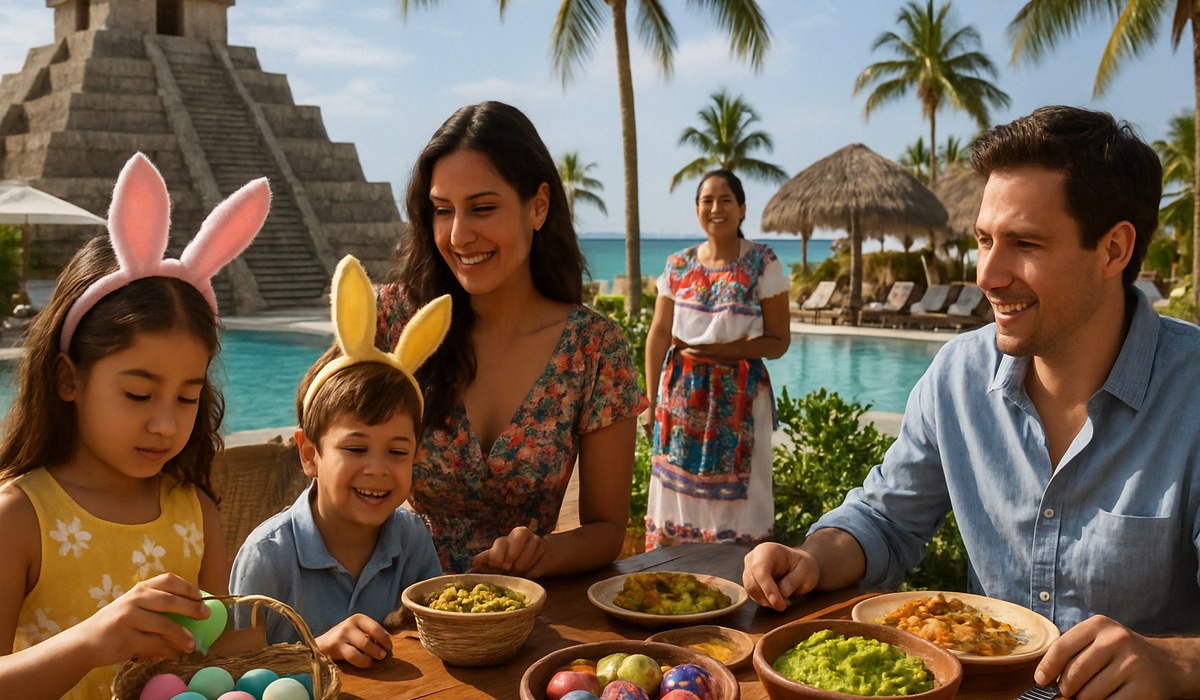
Image generated by AI
Quick Summary
- Easter 2026 travel bookings to Cancun and Riviera Maya are up 23% compared to 2025, with family reservations leading the surge
- Mexican Caribbean resorts are abandoning cookie-cutter all-inclusive models in favor of culturally immersive programming
- High-end properties now offer chef-led market tours, artisan workshops, and Maya language lessons as standard amenities
- Industry analysts credit the shift to millennial parents prioritizing educational value and authentic experiences over traditional resort entertainment
While most travelers still see Cancun as spring break territory, a new generation of Riviera Maya resorts is betting that Easter 2026 families want immersive Mexican culture served alongside their poolside margaritas. The wager appears to be paying off handsomely as booking data reveals a fundamental shift in how North American families approach their April getaways.
Major hotel groups along Mexico's Caribbean coast are reporting their strongest Easter advance bookings in five years. Properties from Playa del Carmen to Tulum have redesigned programming around culinary exploration, traditional craft workshops, and guided cultural excursions rather than generic kids' entertainment. This strategic repositioning comes as millennial parents—now the dominant demographic in family travel—increasingly demand vacations that educate their children while delivering the luxury amenities previous generations expected.
The transformation marks a departure from the region's reputation as a party destination. General managers across multiple resort brands confirm they've hired cultural coordinators, partnered with local artisans, and rebuilt activity schedules to emphasize Mexican heritage. As Easter week approaches, the Mexican Caribbean finds itself competing not just with Caribbean beach destinations but with European cities and educational tours that traditionally captured the family market during spring holidays.
Easter 2026 Travel Surge: What Booking Data Reveals About Cancun Demand
Forward booking patterns for Easter 2026 show Cancun and the Riviera Maya outperforming competing Caribbean destinations by significant margins. According to industry performance data tracking occupancy rates across Mexican Caribbean properties, hotels are running 23 percentage points ahead of last year's pace for the March 28 through April 13 period. Family suite reservations specifically show 31% year-over-year growth.
The surge extends beyond traditional American spring break travelers. Canadian bookings increased 18% compared to Easter 2025, while European arrivals—particularly from the UK and Germany—jumped 27%. Hotel revenue managers attribute the growth to strategic pricing that positions Riviera Maya properties competitively against Florida and Caribbean alternatives while offering superior cultural programming.
Average daily rates for Easter week now exceed $485 across four-star and five-star properties, up 14% from 2025. Despite higher pricing, conversion rates have improved as families book farther in advance. Properties report the typical booking window has extended from 45 days to 73 days, suggesting travelers view these vacations as significant investments requiring advance planning.
Market analysts note the travel easter boom mirrors broader patterns emerging across international destinations. Families increasingly research specific programming before booking rather than selecting destinations primarily on price or convenience. Riviera Maya properties that invested heavily in cultural programming between 2023 and 2025 are now seeing that investment translate to market share gains and premium pricing power.
Beyond All-Inclusives: How Riviera Maya Resorts Are Integrating Mexican Culture
Resort programming has evolved dramatically from the buffet-and-beach model that defined Mexican Caribbean tourism for decades. Properties now employ cultural directors who design experiences around three pillars: culinary heritage, traditional crafts, and Maya history. These aren't optional excursions available at extra cost—they've become core amenities included in standard rates.
Morning cooking classes led by local chefs take families into nearby markets to select ingredients before preparing regional dishes like cochinita pibil and papadzules. Unlike demonstration-style resort cooking shows, these sessions involve genuine instruction with participants taking home recipe cards and technique videos. Multiple resorts have partnered with the Culinary Institute of Mexico to certify their instructors and ensure authentic preparation methods.
Afternoon workshops bring traditional artisans onto resort grounds to teach families hammock weaving, alebrijes painting, and huipil embroidery. Properties pay artisans fair wages while giving them exposure to international audiences. Several resorts have established permanent workshop spaces designed to resemble traditional Maya structures, creating Instagram-worthy backdrops that also serve educational purposes.
Evening programming now regularly features folkloric dance performances, live marimba ensembles, and storytelling sessions conducted partially in Maya languages with translation. Resorts working with Sunset World Group's Easter 2026 preparations have pioneered family-friendly presentations that explain pre-Columbian astronomy, calendar systems, and architectural achievements without simplifying the content for children.
This emphasis on authentic experiences reflects broader hospitality industry trends. The same cultural expansion strategies driving luxury hotel development in emerging markets are now being applied to mature destinations seeking differentiation. Riviera Maya properties recognize they're competing for the same families considering museum-rich European cities or historically significant Asian destinations.
Family-Focused Amenities That Go Beyond Kids' Clubs
Traditional resort kids' clubs haven't disappeared, but their role has been redefined. Rather than serving primarily as childcare while parents relax, these facilities now function as educational hubs where children engage in age-appropriate cultural learning. Properties have hired educators with teaching credentials to design curriculum-based programming aligned with North American school standards.
Children ages 5-12 participate in mini archaeological digs where they uncover replica artifacts while learning excavation techniques. Teenagers take photography workshops exploring Maya ruins with professional guidance on composition and lighting. Families appreciate that screen time has been replaced with activities their children will reference in school projects months after returning home.
Multi-generational amenities address the reality that Easter travel often involves grandparents, aunts, uncles, and cousins traveling together. Resorts have reconfigured public spaces to accommodate larger family groups with connecting suites, private dining areas, and activity scheduling that works for ages 4 through 74. This mirrors evolving preferences documented in research on family weekend escape trends, where convenience and shared experiences now outweigh individual luxury.
Dining programs have been completely reimagined. Instead of generic international buffets, properties now offer region-specific restaurants where menus change based on seasonal ingredient availability. Children's menus feature authentic Mexican dishes prepared with reduced spice levels rather than the chicken fingers and pizza that dominated resort dining for years. Several properties have eliminated kids' menus entirely, instead training chefs to modify any menu item for young palates.
Adventure programming balances thrill-seeking with education. Snorkeling excursions include marine biology instruction about reef ecosystems. Cenote swimming trips begin with explanations of limestone geology and groundwater systems. Zip line courses incorporate discussions of rainforest ecology and conservation. Families report appreciating activities where fun and learning happen simultaneously rather than competing for vacation time.
Luxury Meets Authenticity: High-End Properties Redefining the Cancun Experience
Premium properties are leading the cultural integration trend while maintaining the service standards wealthy travelers expect. Several Riviera Maya resorts have earned or maintained Forbes Travel Guide ratings while simultaneously deepening their Mexican cultural programming—a combination that once seemed contradictory.
Five-star properties now offer private tequila tastings that go far beyond sampling. Master distillers explain terroir, aging processes, and production regulations while families visit on-site agave gardens. Some resorts have established relationships with small-batch producers, offering exclusive bottles unavailable in retail markets. These experiences satisfy adult travelers seeking sophistication while providing educational value parents can justify.
Spa programs have incorporated traditional Maya healing practices including temazcal ceremonies, herbal medicine consultations, and cacao-based treatments. Licensed practitioners work alongside massage therapists and aestheticians to offer guests authentic wellness experiences rooted in indigenous knowledge. Properties emphasize these aren't appropriated traditions but collaborations with Maya communities who maintain control over sacred practices.
Accommodations themselves reflect regional architecture and design. Newer luxury properties feature palapa roofs, locally quarried stone, and handcrafted wooden furniture rather than generic contemporary interiors that could exist anywhere. Guest rooms display work by regional artists with information about each piece and the artisan who created it. Some resorts offer guests the opportunity to purchase displayed artwork with proceeds benefiting local arts cooperatives.
Concierge services have evolved to facilitate deeper cultural engagement. Staff arrange private visits to working haciendas, meetings with Maya elders, and behind-the-scenes access to archaeological sites normally closed to tourists. These ultra-premium experiences command significant fees while creating relationships between wealthy international travelers and local communities that extend beyond the typical tourist economy.
The luxury segment's embrace of cultural authenticity represents a calculated bet that high-net-worth travelers increasingly value unique experiences over standardized opulence. Properties are wagering that families willing to spend $1,200 per night want more than thread count and turndown service—they want memories and stories their peers haven't collected.
FAQ: Planning Your Easter 2026 Riviera Maya Family Vacation
When should I book for Easter 2027 based on this year's patterns?
Booking windows for popular Riviera Maya properties now extend 90-120 days for holiday periods. If Easter 2027 falls in mid-April, start researching options in December 2026 and book by January to secure preferred properties and room categories. Properties with the most robust cultural programming sell out earliest.
Are cultural activities suitable for young children or mainly for adults?
Most resorts design parallel programming for different age groups. Children ages 4-7 participate in storytelling, simple crafts, and beach activities with cultural themes. Kids 8-12 engage in more hands-on workshops and excursions. Teenagers often join adult programming with age-appropriate modifications. Review specific resort schedules when booking.
How much does authentic cultural programming cost beyond the room rate?
At properties emphasizing cultural immersion, most programming is included in all-inclusive rates or available to non-all-inclusive guests for nominal fees ($15-40 per activity). Premium experiences like private chef-led market tours or exclusive archaeological site access typically cost $150-400 per family depending on group size and duration.
What's the weather like during Easter week in Cancun and Riviera Maya?
Easter typically falls during the dry season with temperatures between 78-86°F (25-30°C) and minimal rainfall. Ocean conditions are generally calm, ideal for snorkeling and water sports. Humidity is moderate compared to summer months. Pack reef-safe sunscreen as many properties prohibit traditional sunscreen near cenotes and ocean areas.
Should I rent a car or rely on resort transportation?
Most cultural programming happens on resort grounds or via organized excursions with included transportation. If you plan extensive independent exploration of ruins and cenotes, rental cars offer flexibility and can be cost-effective for families. However, resorts provide comprehensive shuttle services to major attractions, and taxis remain affordable for occasional off-property dining or shopping.
Related Articles:
Disclaimer
This article is for informational and educational purposes only. It does not constitute legal, financial, or professional advice. While we strive to provide accurate and up-to-date information, travel policies, regulations, and conditions change rapidly. Always verify information with official sources before making travel decisions. Nomad Lawyer makes no representations about the accuracy, reliability, completeness, or suitability of the information provided. Readers should consult qualified professionals for advice specific to their circumstances. The views expressed in this article are those of the author and do not necessarily reflect the views of Nomad Lawyer.
Kunal K Choudhary
Co-Founder & Contributor
A passionate traveller and tech enthusiast. Kunal contributes to the vision and growth of Nomad Lawyer, bringing fresh perspectives and driving the community forward.
Learn more about our team →