
Travel Disruptions Egypt: 12 Flights Canceled Across Region
Twelve flights canceled across Egypt, Jordan, and Saudi Arabia in March 2026. Mesaair, Royal Jordanian, and Saudi carriers halt service to Cairo, Luxor, Hurghada. Passenger rights explained.

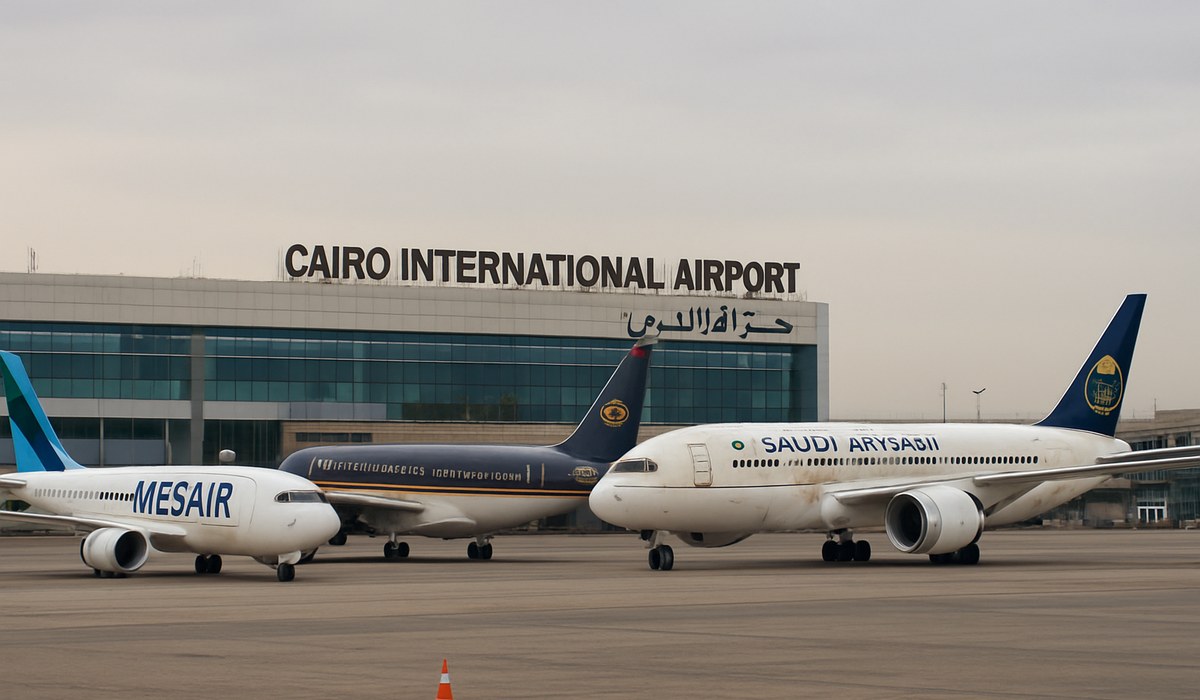
Image generated by AI
Quick Summary
- Twelve regional carriers have canceled flights across Egypt, Jordan, and Saudi Arabia as of March 29, 2026
- Major hubs affected include Cairo (CAI), Luxor (LXR), Hurghada (HRG), Amman (AMM), Manama (BAH), and Dammam (DMM)
- Disruptions stem from geopolitical tensions and regional instability rather than weather or mechanical failures
- Affected passengers retain rights to rebooking, meals, accommodation, and compensation under international aviation law
- Monitor real-time status via FlightAware and contact your airline within 24 hours for alternative routing options
Which Flights Were Canceled and Why
A cascade of flight cancellations swept across the Eastern Mediterranean and Arabian Peninsula on March 29, 2026, marking a significant operational disruption for carriers operating between Egypt, Jordan, and Saudi Arabia. Mesaair, Royal Jordanian, and Saudi-based operators have withdrawn a combined dozen services from their schedules, according to flight operations data. The cancellations span transcontinental routes connecting major leisure and business destinations, leaving travelers scrambling to adjust plans on short notice.
The underlying cause points to operational pressures tied to broader regional instability. Unlike typical disruptions caused by weather systems or mechanical groundings—which airlines can often resolve within hours—this wave of cancellations reflects strategic decisions by carriers to reduce exposure in zones where geopolitical tensions have escalated. Flight tracking services show no equipment failures or weather alerts justifying the mass suspension; instead, the pattern suggests cautious route management in conflict-adjacent airspace.
Mesaair's Egyptian operations, traditionally a backbone of domestic and regional connectivity from Cairo International (CAI/HECA), have been particularly affected. Royal Jordanian, which operates Amman's Queen Alia International (AMM/OJAQ) as a regional hub, has also suspended multiple frequencies. Saudi carriers serving Dammam (DMM/OEDM) and regional points have similarly trimmed schedules. This coordinated pullback signals carrier confidence in neither the short-term stability of the corridor nor the commercial viability of maintaining full schedules under current conditions.
FlightAware's live tracking data confirms the scope: routes to and from Cairo, Luxor, Hurghada, and Sharm El Sheikh all show cancellation markers, with rebooking requests spiking across booking platforms. The timing—late March, a peak season for Nile leisure travel and business conferences—amplifies passenger impact and revenue consequences for the affected carriers.
The Geopolitical Context Behind the Disruptions
Travel disruptions Egypt and across the Levantine corridor do not emerge in isolation. Over the past eighteen months, a pattern of similar regional flight halts that stranded thousands has grown increasingly common as carriers reassess their risk tolerance in strategically contested airspace. The current cancellations must be understood within this broader tapestry of how geopolitical tensions reshape airline networks—a phenomenon that is reshaping passenger expectations and forcing a recalibration of Middle Eastern route reliability.
Regional instability—encompassing proxy conflicts, energy-sector disputes, and shifting diplomatic alignments—has created a volatile operating environment. Airlines must navigate not only active threats but also regulatory uncertainty, fuel supply chains vulnerable to disruption, and unpredictable airspace closures. The cost of maintaining service becomes prohibitive when margins are compressed and risk premiums climb. Consequently, carriers have begun implementing selective suspensions to preserve fleet utilization and avoid sunk costs on routes where demand is fragile and circumstances unstable.
Mesaair, as an Egyptian flag carrier with deep domestic roots, faces particular pressure. Royal Jordanian, serving a smaller national market, must weigh regional connectivity against safety and compliance burdens. These carriers lack the balance-sheet reserves of legacy global carriers and cannot absorb prolonged route losses. When geopolitical risk spikes, they are first to retreat, creating cascading effects on passenger networks that depend on Middle Eastern connectivity as a bridge between Asia, Africa, and Europe.
Industry analysts expect this pattern to persist through the second quarter of 2026 unless material changes in the regional security landscape emerge. The uncertainty itself—not a single dramatic incident—is what drives cancellations. Passengers booking into March and April should factor in elevated disruption probability as a baseline travel cost.
Affected Routes: Cairo, Luxor, Hurghada, and Beyond
The twelve canceled flights affect eight major city pairs, creating a geographic footprint that spans Egypt's Nile corridor, Saudi Arabia's Eastern Province, and Jordan's northern and central regions.
Cairo (CAI/HECA): Egypt's primary international gateway has seen the most disruption. Mesaair services to Amman, Manama, and Dammam have been suspended. Royal Jordanian's Cairo-Amman daily rotation is reduced to alternate-day service. These suspensions fragment connectivity for business travelers and leisure passengers rerouting through the capital.
Luxor (LXR/HEAI) & Hurghada (HRG/HEHE): These Red Sea leisure hubs, dependent on feeder traffic from Cairo and regional carriers, have lost direct connections to Amman and Riyadh. Passengers on Nile cruises or beach resorts now face extended ground transfers or multi-leg itineraries, adding 6–12 hours to journey times.
Sharm El Sheikh (SSH/HESH): South Sinai's resort destination remains accessible but with reduced regional frequency. Connections to Saudi Arabia and the Gulf are sparse.
Amman (AMM/OJAQ): Queen Alia's role as a regional transshipment point has been undermined. Royal Jordanian's network pruning reduces onward options to Europe and Asia, forcing reroutes through Istanbul or Abu Dhabi hubs with associated cost premiums.
Manama (BAH/OBBI), Dammam (DMM/OEDM), Riyadh (RUH/ORRD): Saudi and Gulf connectivity has contracted noticeably. Business travelers with Egypt-Gulf itineraries now face 2–3 day repositioning delays or costly air taxi alternatives.
For leisure travelers: Easter holiday bookings to Egypt are particularly vulnerable. Families with confirmed hotel reservations may now arrive a day late or depart early due to rebooking constraints.
For business travelers: Trade missions, conference attendance, and operational meetings in Cairo or Amman face cancellation or postponement risk. The uncertainty adds contingency costs to corporate travel budgets.
Passenger Rights & Compensation Explained
Airline cancellations triggered by circumstances within carrier control—as opposed to "extraordinary circumstances" like severe weather or air traffic control strikes—activate statutory passenger rights in virtually all jurisdictions touched by this disruption.
Under international aviation law, passenger compensation rules under international aviation law establish a framework binding on IATA members (which includes Mesaair, Royal Jordanian, and Saudi carriers):
Rebooking Entitlements: Carriers must rebook affected passengers on the next available service at no additional fare, or on a later flight if that better suits the passenger. This rebooking may be on the same carrier, a partner airline, or a competing operator if needed to get passengers to their final destination within 24 hours
Disclaimer
This article is for informational and educational purposes only. It does not constitute legal, financial, or professional advice. While we strive to provide accurate and up-to-date information, travel policies, regulations, and conditions change rapidly. Always verify information with official sources before making travel decisions. Nomad Lawyer makes no representations about the accuracy, reliability, completeness, or suitability of the information provided. Readers should consult qualified professionals for advice specific to their circumstances. The views expressed in this article are those of the author and do not necessarily reflect the views of Nomad Lawyer.
Kunal K Choudhary
Co-Founder & Contributor
A passionate traveller and tech enthusiast. Kunal contributes to the vision and growth of Nomad Lawyer, bringing fresh perspectives and driving the community forward.
Learn more about our team →