
Travel Disney Dream: 15 Years Reshaping Family Cruise Demand
Disney Dream marks 15 years at sea in 2026, expanding Caribbean sailings amid surging family cruise demand. Here's what travelers need to know.

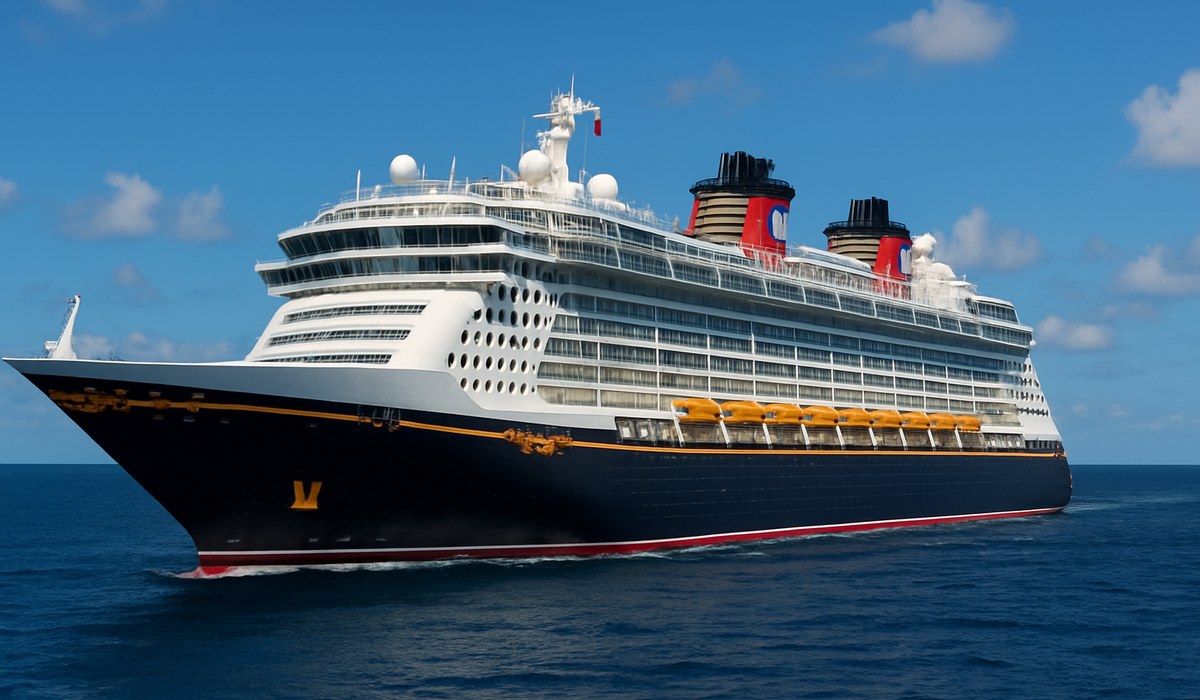
Image generated by AI
**> Quick Summary
- Disney Dream enters its 15th operational year with fleet-wide capacity increases targeting Caribbean routes
- Expanded weekly sailings from Miami respond to post-pandemic surge in multigenerational family travel bookings
- Fleet positioning reflects Disney Cruise Line's competitive strategy against Royal Caribbean and Norwegian Cruise Line family offerings
- Early 2026 bookings show premium pricing stability despite increased itinerary frequency and cabin availability**
The cruise industry's family-focused segment is experiencing its strongest recovery since the pandemic, and Disney Dream's expanded calendar for 2026 exemplifies this shift. After 15 years of consistently sailing Caribbean routes, the 128,000-ton vessel is now anchoring Disney's strategy to capture growing demand from multigenerational travel groups seeking curated, branded experiences at sea.
This spring marks a turning point. Disney Dream's homeport operations at Miami are ramping up frequency precisely when industry analysts tracking the Cruise Lines International Association data confirm that family bookings now exceed pre-2020 demand levels. The ship's expansion into additional weekly sailings signals confidence in a market segment that drives premium pricing and extended onboard spending per passenger.
Disney Dream's 15-Year Legacy: Why Family Cruising Matters Now
Disney Dream debuted in 2011 as the first Disney Cruise Line ship purpose-built for Caribbean itineraries. Its 1,250-passenger capacity was designed from keel to smokestacks around the family experience—split cabins for kids' clubs, deck-wide entertainment programming, and Disney character dining as selling points rather than novelties.
Fifteen years later, the vessel has logged over 1,400 sailings and hosted millions of passengers. Yet the ship's relevance hasn't diminished; it has intensified. Market dynamics have shifted dramatically. Family travel budgets have rebounded faster than solo or couples travel segments. Parents are prioritizing destination-based experiences for their children, and an all-in cruise package eliminates the planning friction that once deterred multigenerational voyages.
The 2026 expansion underscores this trend. Capacity increases across Disney's Caribbean fleet respond to booking velocity that outpaces supply. Travel agents report Disney Dream and sister ships operating at 95%+ occupancy rates through fall 2026, with waitlisted sailings becoming common for summer school-break dates.
This success isn't incidental. Disney invested heavily in Disney Dream's early years—refurbishing dining venues, upgrading kids' club technology, and adding adult-exclusive deck areas to balance family and romantic travel needs. Those decisions, made in 2011, have aged remarkably well. The ship remains among the newest and most desirable in Disney's fleet despite being a decade-and-a-half old.
Expanded Sailings & New Caribbean Itineraries: What Families Should Know
Disney Dream operates from the Port of Miami, which serves as the operational hub for Disney's Caribbean deployment strategy. The port's infrastructure—multiple terminals, year-round weather patterns, and connectivity to Caribbean islands—makes it ideal for Disney's family-cruise-focused scheduling.
Starting March 2026, Disney Dream's itinerary expanded to include additional week-long sailings featuring three-island and four-island stops. The flagship route visits Castaway Cay (Disney's private island), along with ports in the Bahamas, Jamaica, and Cayman Islands. Newly scheduled sailings add Friday-to-Friday departures, creating flexibility for families managing school calendars.
The pricing for these additional sailings reflects strong demand. Initial quotes for March–May 2026 departures range from $1,200 to $2,800 per person for seven-night inside cabins, depending on sailing date and demand. Oceanview cabins command 15–25% premiums, consistent with pre-pandemic Disney cruise pricing but higher than competitor offerings from Royal Caribbean's Oasis-class or Norwegian Cruise Line's Breakaway-class ships catering to families.
What sets Disney Dream apart operationally is its crew-to-passenger ratio and onboard staffing. Disney maintains roughly one crew member per 2.5 passengers, compared to industry averages near 1:3. This investment in service directly impacts family satisfaction metrics and repeat-booking rates—currently among the highest in the industry.
Port days are choreographed for families. Castaway Cay stops include beach amenities, character meet-and-greets, and water sports specifically scaled for children. Disney's negotiated port schedules ensure ships dock by early afternoon, providing full beach days rather than rushed port visits common on competing itineraries.
How Disney Dream Stacks Up Against Competing Family Cruise Lines
The competitive landscape for family cruising has intensified significantly since Disney Dream's maiden voyage. Royal Caribbean's Harmony of the Seas and Symphony of the Seas now compete directly for family bookings, offering larger ships (5,500+ passengers) with higher capacity and slightly lower per-person pricing.
Norwegian Cruise Line has positioned its newer vessels as more casual and flexible, targeting families seeking fewer Disney-branded experiences and more independent port time. Meanwhile, smaller operators like Carnival Cruise Line focus on budget-conscious families, with prices 30–40% lower than Disney but with corresponding trade-offs in crew attention and onboard amenities.
Disney's competitive advantage hinges on brand trust and repeat loyalty. An estimated 40% of Disney Dream passengers report having cruised previously with Disney or Disney properties. This loyalty insulates the line from price competition and drives bookings across entire family networks—grandparents accompanying parents and children in multiple cabins per sailing.
According to Seatrade Cruise industry data, the Caribbean cruise market expanded by 12% in 2025 compared to 2024, with family-category sailings growing 18%. Disney Dream's expansion capitalizes directly on this trend, deploying more capacity exactly when market demand peaks.
Financial analysts covering the cruise sector note that Disney's expansion strategy differs fundamentally from competitors'. Rather than deploying new mega-ships, Disney is maximizing existing assets through itinerary frequency and seasonal adjustments. This approach generates higher capacity utilization rates while requiring minimal capital expenditure—a strategic advantage if you're following Wall Street Sleeping on Undervalued Cruise Stock Recovery Play and cruise line profitability metrics.
Booking Disney Dream in 2026: Pricing, Availability & Tips
Families planning 2026 Disney Dream voyages face a compressed booking window. Summer school-break sailings (June–August) are already 60–70% booked as of late March 2026. Spring break slots (March–April) show comparable occupancy.
For best pricing, travel agents recommend booking shoulder-season sailings in September–October or January–February 2027. These periods offer 10–15% discounts versus peak summer rates, yet maintain full onboard programming and port operations. September, specifically, presents opportunities for families seeking lower crowds and tropical warmth post-hurricane season preparation.
Cruisebound Search by Map: Redefining How Cruisers Discover Voyages reflects how booking technology has evolved. Modern cruise-search platforms now allow families to filter by amenity, age-group
Disclaimer
This article is for informational and educational purposes only. It does not constitute legal, financial, or professional advice. While we strive to provide accurate and up-to-date information, travel policies, regulations, and conditions change rapidly. Always verify information with official sources before making travel decisions. Nomad Lawyer makes no representations about the accuracy, reliability, completeness, or suitability of the information provided. Readers should consult qualified professionals for advice specific to their circumstances. The views expressed in this article are those of the author and do not necessarily reflect the views of Nomad Lawyer.
Raushan Kumar
Founder & Lead Developer
Full-stack developer with 11+ years of experience and a passionate traveller. Raushan built Nomad Lawyer from the ground up with a vision to create the best travel and law experience on the web.
Learn more about our team →