
Travel Digital Face Recognition Expands Across U.S. Airports in 2026
U.S. airports expand travel digital face scanning and mobile ID systems in 2026, promising faster security but revealing uneven implementation across checkpoints. TSA's biometric rollout raises reliability and privacy questions for millions of travelers.

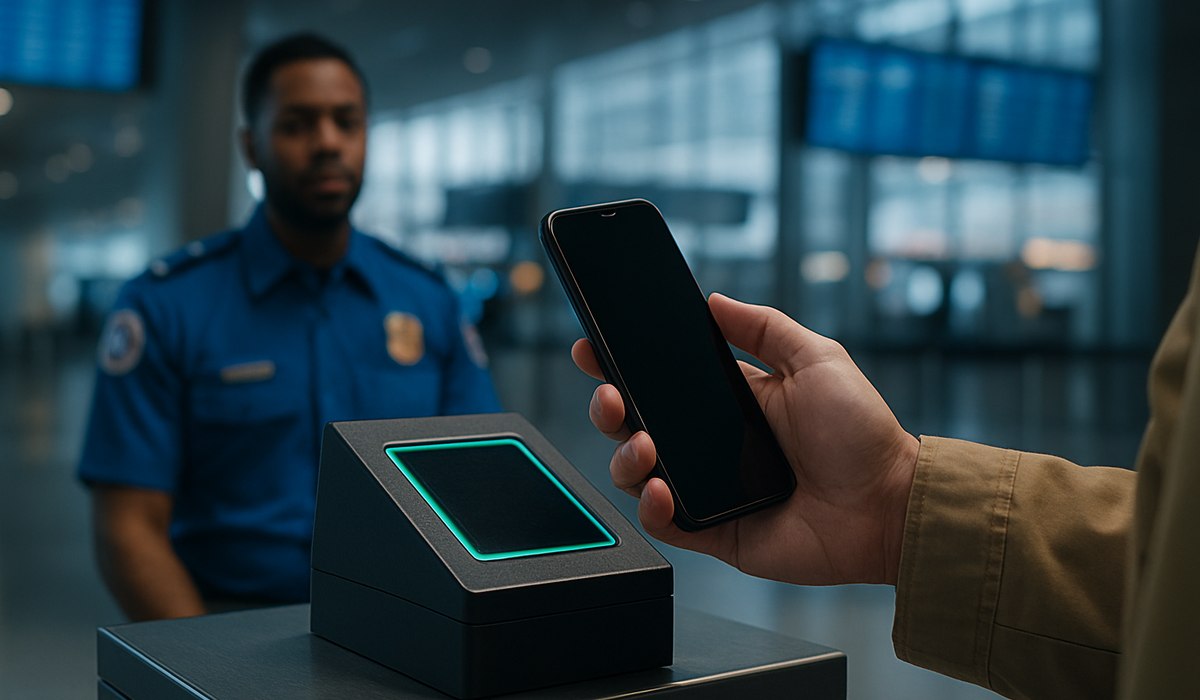
Image generated by AI
TSA's Travel Digital Face Systems Go Mainstream in 2026
The Transportation Security Administration is rolling out expanded digital ID and facial recognition systems across American airports, creating faster checkpoint lanes but exposing critical gaps in deployment. As of April 2026, more than 250 airport security lanes nationwide now accept mobile IDs and process travel digital face scans through new biometric readers. The expansion promises to streamline identity verification for domestic travelers while simultaneously raising questions about technological reliability and passenger privacy across the U.S. airport network.
Digital IDs Move From Pilot Projects to Mainstream Travel
Mobile identification has shifted from experimental programs to standard travel options at major U.S. hubs. Apple, Google, and Samsung have partnered with over a dozen states plus Puerto Rico to issue digital credentials compatible with TSA checkpoint readers. Passengers can now tap smartphones or smartwatches containing mobile driver's licenses and state IDs instead of handing physical documents to security officers.
Apple's Digital ID feature recently expanded to include passport information for domestic flight security, though physical passports remain mandatory for international border crossings. The travel digital face infrastructure at larger airports increasingly supports these credentials, particularly within TSA PreCheck lanes where adoption rates are highest.
However, deployment remains uneven. Some airports equipped with necessary hardware haven't yet configured systems to recognize every digital ID format. Individual checkpoints within the same terminal may have different capabilities, creating confusion for travelers unfamiliar with these systems. The TSA advises all passengers to carry physical backup identification, even when airports officially accept digital options. Coverage gaps suggest the rollout will continue throughout 2026, with equipment and software upgrades planned for additional facilities beyond current deployment zones.
How Facial Recognition Changes Airport Security Screening
The travel digital face technology underpinning modern checkpoints relies on Credential Authentication Technology systems, commonly called CAT-2 units. These devices integrate ID scanners, biometric cameras, and access to flight reservation databases to verify passenger identity and flight status automatically.
The typical checkpoint experience involves travelers inserting physical IDs or tapping digital credentials into a scanner, then facing a camera for live facial capture. The system compares the captured image against the photo embedded in the credential or official database. If the travel digital face match succeeds, security personnel review the confirmation and direct passengers forward without exchanging boarding passes. This touchless process aims to reduce contact at crowded checkpoints and eliminate document handling delays.
Data from aviation security consultants indicates that facial recognition units already operate at dozens of major U.S. airports. Federal budget allocations project continued investment in biometric systems through 2026, emphasizing fully automated checkpoint verification. Some private trials involving airline partnerships are testing fully autonomous eGates for enrolled travelers, suggesting future expansion beyond manual officer-supervised lanes. The travel digital face approach represents a fundamental shift from document-based to biometric-based security authentication across the national airport system.
Reliability Gaps and Uneven Airport Coverage
Despite technological promise, implementation challenges persist across checkpoint networks. Technical failures—including offline devices and software incompatibility with certain digital ID formats—still force fallbacks to traditional document inspection. Some airports rely exclusively on camera-based systems, while others blend new technology with conventional manual verification processes.
Coverage variations mean that a traveler's experience depends significantly on which airport, terminal, and specific checkpoint lane they use. Premium travel services like TSA PreCheck experience faster adoption of travel digital face systems compared to standard security lines. Passengers unfamiliar with these technologies may experience confusion or unexpected delays when systems encounter processing difficulties.
The uneven rollout suggests a transitional period extending through 2026. Airports in smaller markets may lack CAT-2 units entirely, while major hubs continue upgrading existing equipment. This inconsistency underscores why the TSA continues recommending physical ID backup for all domestic travelers, regardless of mobile credential availability. Understanding local checkpoint capabilities before arrival can help travelers avoid security-lane bottlenecks caused by technology malfunctions or format incompatibility at specific locations.
Privacy Concerns in the Age of Biometric Travel
The expansion of travel digital face scanning raises significant privacy and data security questions. Facial biometric collection, storage, and comparison create permanent digital records linked to passenger identities and travel patterns. Privacy advocates worry about data retention policies, potential security breaches, and future government or corporate access to facial databases.
Current TSA documentation states that biometric images captured at checkpoints are encrypted and deleted after comparison, though data retention timelines and backup storage procedures remain less transparent. The integration of facial recognition with flight reservation systems means that travel digital face data potentially connects passenger movements across multiple touchpoints beyond initial security screening.
Civil liberties organizations have raised concerns about accuracy disparities affecting passengers from different demographic groups. Facial recognition systems historically exhibit higher error rates for women and people of color, potentially creating disproportionate security delays or false matches for certain travelers. The regulatory framework governing these systems remains underdeveloped, with limited public oversight of algorithm performance, data access protocols, or passenger consent mechanisms.
Travelers should understand that opting into travel digital face systems at TSA checkpoints involves data collection practices that extend beyond immediate security verification. Federal regulations and state privacy laws provide limited protection against future data sharing or algorithm changes. Passengers retaining concerns about biometric data collection can request manual verification instead, though this option may involve longer processing times.
TSA Biometric Expansion by the Numbers
| Metric | Details | Impact |
|---|---|---|
| Active Digital ID Lanes (2026) | 250+ checkpoint lanes nationwide | Domestic travelers can use mobile IDs at major airports |
| Participating States | 12+ states + Puerto Rico | Regional variation in digital credential availability |
| Facial Recognition Coverage | Dozens of major U.S. airports | Technology rollout concentrated at high-volume hubs |
| Processing Time Reduction | Seconds per traveler (when functional) | Incremental efficiency gains during non-peak periods |
| Backup ID Requirement | Physical ID still mandatory | No airport guarantees digital-only clearance |
| CAT-2 Unit Deployment | Expanding through 2026 fiscal year | Federal budget allocations support continued upgrades |
| TSA PreCheck Integration | Priority lanes prioritized for biometrics | Premium passengers experience faster adoption |
| Data Retention Policy | Encrypted images deleted post-verification | Limited transparency on backup storage practices |
What This Means for Travelers
The expansion of travel digital face systems and digital IDs creates both opportunities and obligations for air travelers:
-
Verify local capabilities before departure: Check whether your state's digital ID format and your specific airport's checkpoint equipment are compatible. TSA provides online resources listing participating states and airports, but confirming ahead prevents gate-area surprises.
-
Maintain physical ID at all times: Technological malfunctions, digital format incompatibilities, and system outages remain common. Carrying a government-issued physical ID remains non-negotiable for all travelers, regardless of airport digital infrastructure marketing.
-
Plan extra security time during transition periods: The uneven rollout means some checkpoints process travel digital face scans efficiently while others default to traditional verification. Budget additional buffer time during peak travel hours when technology failures are most likely.
-
Understand privacy implications: Facial biometric data collection creates permanent digital records connected to your identity and travel patterns. Passengers uncomfortable with this data collection can request manual verification, though processing times may increase.
-
Enroll in TSA PreCheck strategically: Premium security lanes adopt travel digital face technology first, offering earlier access to faster biometric processing. PreCheck membership provides benefits beyond digital ID compatibility across the broader transportation security network.
-
Monitor regulatory changes: Privacy laws, data retention policies, and biometric system regulations continue evolving. Staying informed about changes protects your travel data rights and helps you make informed decisions about participating in biometric programs.
FAQ
Q: Can I skip the travel digital face scan and use traditional ID verification instead? A: Yes.
Disclaimer
This article is for informational and educational purposes only. It does not constitute legal, financial, or professional advice. While we strive to provide accurate and up-to-date information, travel policies, regulations, and conditions change rapidly. Always verify information with official sources before making travel decisions. Nomad Lawyer makes no representations about the accuracy, reliability, completeness, or suitability of the information provided. Readers should consult qualified professionals for advice specific to their circumstances. The views expressed in this article are those of the author and do not necessarily reflect the views of Nomad Lawyer.
Preeti Gunjan
Contributor & Community Manager
A passionate traveller and community builder. Preeti helps grow the Nomad Lawyer community, fostering engagement and bringing the reader experience to life.
Learn more about our team →