
Travel Anxiety 2026: Why Rising Costs and Flight Delays are Reshaping Global Tourism
A new trend dubbed 'Travel Anxiety 2026' is surging worldwide as rising costs, chronic flight delays, and safety concerns push tourists toward more cautious, strategic planning.

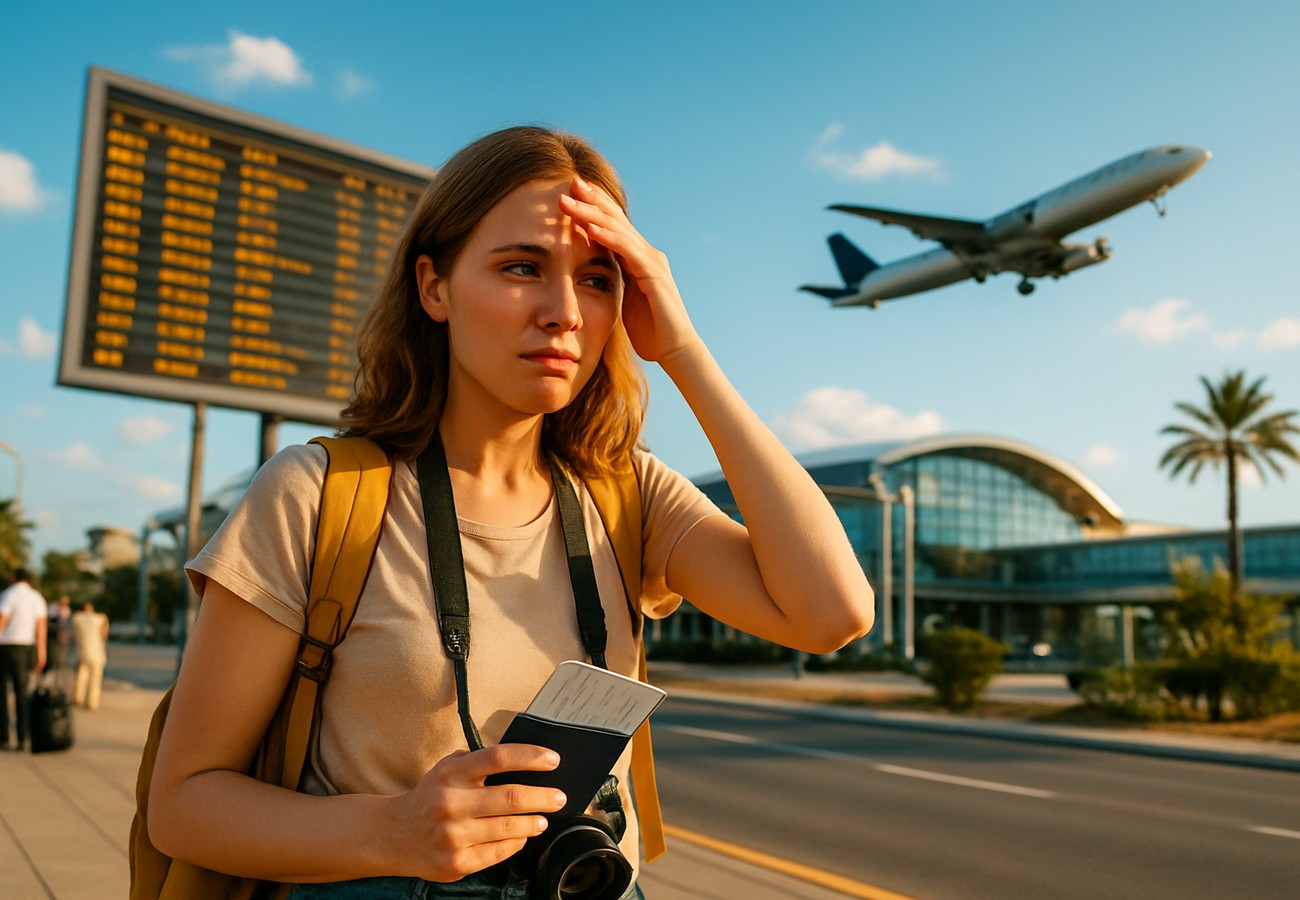
Image generated by AI
Quick Summary
- Emerging Trend: "Travel Anxiety 2026" has become a dominant theme in global tourism, reflecting a shift toward heightened caution and strategic preparation.
- Economic Pressure: Rising costs for airfares, hotels, and ground transportation are forcing travelers to prioritize fewer, more meaningful journeys.
- Operational Instability: Chronic flight delays, cancellations, and airport staffing shortages are contributing to a sense of unpredictability in the travel experience.
- Safety & Policy: Global security concerns and sudden changes in travel policies are causing tourists to reconsider high-risk destinations.
- Consumer Shift: There is a marked increase in the adoption of flexible bookings, travel insurance, and digital planning tools.
- Destination Trends: Emerging and less crowded locations are gaining popularity as travelers seek to avoid the stress of overtourism.
- Operational Advice: Travelers are urged to arrive earlier, maintain flexible itineraries, and monitor official advisories continuously.
As the global travel market continues its post-pandemic evolution, the year 2026 is being defined by a phenomenon industry analysts call "Travel Anxiety." While the desire to explore remains strong, the logistical and financial realities of modern tourism have introduced a layer of complexity that is reshaping consumer behavior. No longer is travel defined by spontaneous, high-frequency trips; instead, 2026 is the year of the "Informed Traveler." Driven by a combination of significant inflation in travel costs and a perceived lack of operational reliability at major aviation hubs, tourists are moving toward a more strategic, cautious approach. This shift is not a decline in travel, but rather an evolution into a more mindful and prepared mindset. From the widespread adoption of flexible tickets to the migration toward secondary, less crowded cities, the trends of 2026 illustrate a global population that is learning to navigate a more connected but increasingly complex world.
Travel Anxiety 2026: Key Drivers and Consumer Response
The following table summarizes the primary factors contributing to global travel uncertainty and how tourists are adapting their behaviors.
| Driver of Anxiety | Primary Cause | Consumer Response |
|---|---|---|
| Rising Costs | Airfare & Hotel Inflation | Fewer trips, "meaningful" travel |
| Operational Delays | Staffing shortages, high volume | Arriving early, using digital tools |
| Safety Concerns | Global instability, policy shifts | Continuous advisory monitoring |
| Overtourism | Infrastructure pressure | Shift to emerging/secondary cities |
| Unpredictability | Weather, strikes, tech issues | Flexible bookings & insurance |
The Uncertainty Factor: Why Global Tourism is Entering a Cautious Phase
The travel landscape in 2026 is characterized by a "risk-aware" approach:
- Information Dependency: Travelers are now more dependent than ever on real-time data from government advisories and airline apps.
- Planning Complexity: The "easy booking" era has been replaced by a need for detailed research into local conditions and entry requirements.
- Mental Shift: Travel is now viewed as an investment of both time and money that requires significant "padding" to manage potential disruptions.
Rising Costs: How Airfare and Hotel Inflation are Limiting Travel Frequency
Economic factors remain the primary source of travel-related stress:
- Budget Prioritization: With airfares and hotel prices at record highs, travelers are opting for one major "bucket list" trip per year rather than multiple short-haul breaks.
- Price Sensitivity: Early booking and the avoidance of peak periods have become mandatory strategies for the budget-conscious 2026 traveler.
- Value-Driven Decisions: Tourists are scrutinizing service levels more closely, expecting higher standards of reliability in exchange for increased costs.
Airport Bottlenecks: Staffing Shortages and Detailed Security Checks in 2026
The physical experience of travel remains a significant pressure point:
- Volume vs. Staffing: Many international airports are struggling to match record passenger volumes with adequate staffing at check-in and security.
- Enhanced Security: More detailed security protocols, while improving safety, have increased average processing times by 20-30% in several major regions.
- Terminal Stress: Longer queues and crowded departure halls are contributing to higher levels of pre-flight anxiety.
The Rise of Strategic Travel: Flexible Bookings and Insurance Adoption
Consumers are increasingly "self-insuring" against travel volatility:
- Flexibility as a Premium: Flexible booking options, once a luxury, are now considered an essential purchase for the majority of travelers.
- Insurance Surge: The travel insurance industry has seen record growth in 2026, with policies covering "cancellation for any reason" becoming the new standard.
- Contingency Planning: Travelers are now routinely building "buffer days" into their itineraries to account for potential 24-hour flight delays.
Emerging Destinations: The Shift Away from Overcrowded Hubs
Overtourism is driving a migration to secondary markets:
- Relaxed Experiences: To avoid the stress of "overtourism hotspots," travelers are seeking out emerging destinations in Eastern Europe, Central Asia, and secondary cities in Western Europe.
- Local Immersion: These less-crowded locations offer a more relaxed pace and a more authentic cultural experience, reducing the "crowd fatigue" associated with major hubs.
- Infrastructure Balance: Emerging destinations are being chosen based on their ability to handle current visitor volumes without the systemic delays seen in established tourism centers.
Essential Advice: How to Manage Travel Anxiety in 2026
To navigate the complexities of modern travel effectively, follow these proactive steps:
- Arrive Early: Arrive at least three hours for domestic and four hours for international flights to absorb potential terminal bottlenecks.
- Digital First: Utilize mobile boarding passes and online check-ins to bypass physical touchpoints at the airport.
- Monitor Advisories: Set alerts for government travel advisories for your destination and any transit points.
- Buffer Your Budget: Always have a financial contingency for unexpected hotel stays or last-minute transport changes.
- Focus on the Purpose: Maintain a clear goal for your journey—relaxation or adventure—to help maintain perspective during minor operational hiccups.
Conclusion: The Evolution of the Mindful and Prepared Traveler
"Travel Anxiety 2026" is not a sign of a declining industry, but rather a maturation of the global traveler. In a world that is more connected and complex than ever, the era of Spontaneous Travel is giving way to the Era of Prepared Travel. By staying informed, remaining flexible, and choosing destinations that align with their comfort levels, tourists are finding ways to explore the world with greater confidence and less stress. This new, mindful approach to tourism is likely to lead to better travel experiences, fewer surprises, and a deeper appreciation for the journeys we choose to take.
FAQ: Travel Trends & Anxiety 2026
What exactly is "Travel Anxiety 2026"? It is a term used to describe the growing caution among global travelers due to rising costs, frequent flight disruptions, and international security concerns.
Are people traveling less because of these concerns? No, travel volumes remain high. However, people are traveling "smarter"—taking fewer trips but planning them more carefully and prioritizing flexible options.
How can I reduce stress during my 2026 travels? The best strategies include arriving at airports very early, booking flexible tickets, taking out comprehensive travel insurance, and staying updated through airline apps and official advisories.
Related Global Travel Reports
Disclaimer
This article is for informational and educational purposes only. It does not constitute legal, financial, or professional advice. While we strive to provide accurate and up-to-date information, travel policies, regulations, and conditions change rapidly. Always verify information with official sources before making travel decisions. Nomad Lawyer makes no representations about the accuracy, reliability, completeness, or suitability of the information provided. Readers should consult qualified professionals for advice specific to their circumstances. The views expressed in this article are those of the author and do not necessarily reflect the views of Nomad Lawyer.
Kunal K Choudhary
Co-Founder & Contributor
A passionate traveller and tech enthusiast. Kunal contributes to the vision and growth of Nomad Lawyer, bringing fresh perspectives and driving the community forward.
Learn more about our team →