
Travel airlines struggle amid fuel spike and demand collapse in 2026
Travel airlines struggle as fuel costs surge and passenger demand plummets in March 2026. Carriers ground aircraft, cut routes, and raise fares. What travelers must do now.

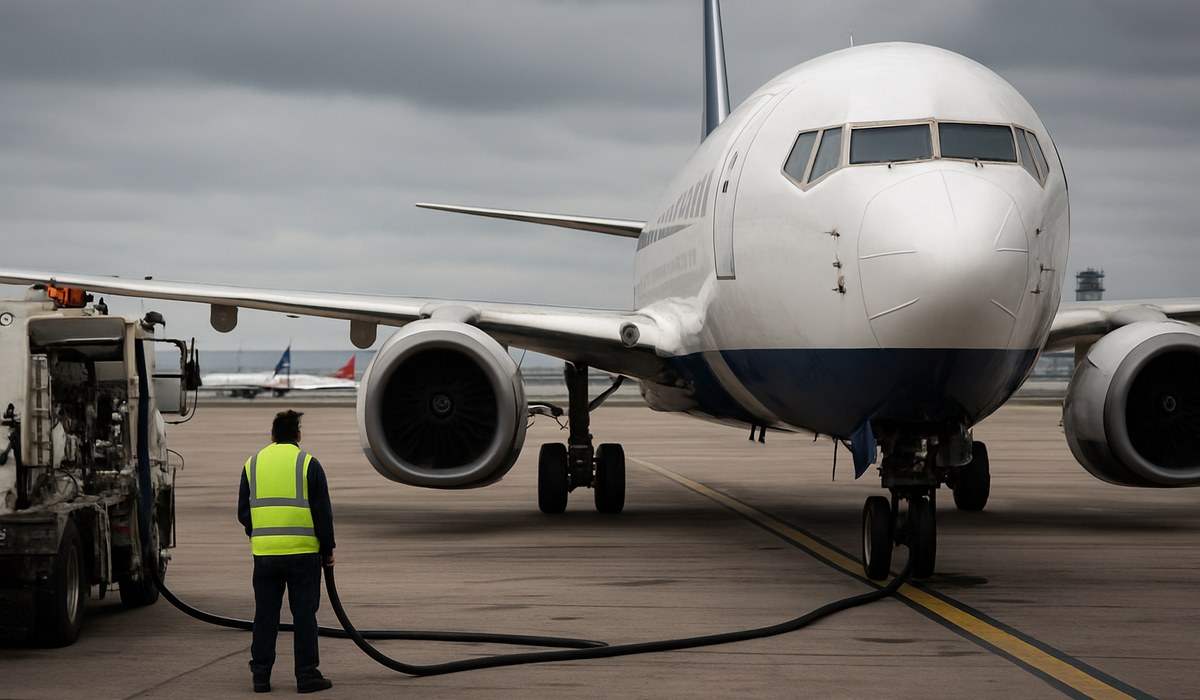
Image generated by AI
**> Quick Summary
- Jet fuel costs have climbed 23% since January 2026 while booking volumes fell 18% globally
- Major carriers including Air France, United, and Lufthansa are suspending regional routes and retiring aircraft ahead of schedule
- Ticket prices for remaining flights have surged 15–32% depending on route and airline, compressing leisure travel demand further
- Passengers on cancelled flights have rights to rebooking, refunds, or compensation under DOT regulations—but carriers are overwhelmed**
The Perfect Storm: Fuel Costs Meet Demand Collapse
The global aviation sector is experiencing a synchronized crisis that hasn't been seen since the 2008 financial downturn. Airlines worldwide are caught between two devastating pressures: petroleum prices for jet fuel have climbed sharply while passenger bookings have contracted dramatically. This combination is forcing carriers to make unprecedented operational decisions that will reshape how travelers access international and domestic routes for months to come.
Fuel surcharges now account for nearly 31% of operating costs at major international carriers, up from 19% in early January. Simultaneously, travel agencies report that booking inquiries have dropped 18–22% compared to the same period last year, as consumers respond to both economic uncertainty and sticker shock at checkout. The IATA warned in its latest industry briefing that this scenario creates a vicious cycle: airlines raise fares to offset fuel expenses, which further suppresses demand, forcing them to reduce capacity and cut unprofitable routes.
This feedback loop is now visible on every major carrier's balance sheet. Fleet utilization has dropped to levels not recorded since the COVID-era recovery period. Aircraft that were scheduled for revenue service are being parked indefinitely. Regional routes connecting smaller cities to major hubs are disappearing at an accelerating rate. The consequence extends far beyond airline boardrooms—it reaches every traveler planning to fly.
Which Routes and Airlines Are Most at Risk in 2026
Certain carriers and routes face more acute pressure than others. Long-haul international flights from North America to Europe and Asia remain marginally profitable, so they're being preserved. Short-haul regional service and leisure-focused routes are bleeding red ink and facing suspension.
FlightAware data shows that over 2,100 flights have been cancelled in the past ten days across North American and European networks, with cancellations concentrating on routes from carriers including Spirit Airlines, Frontier Airlines, and regional partners of the big three U.S. carriers. Low-cost carriers, which operate on razor-thin margins, are particularly vulnerable. Some regional airports serving smaller metropolitan areas have seen service cuts of 40–60%.
For a real-world case study, consider the recent network restructuring announced by major Gulf carriers. The suspension of their iconic wide-body aircraft on several non-core routes demonstrates how even financially strong operators are making strategic retreats. This connects directly to broader industry trends—see our deep dive on Emirates A380 Routes Suspension for specifics on how one of the world's most profitable carriers is recalibrating its strategy.
Conversely, some airlines are finding strategic opportunity within the chaos. Singapore Airlines has announced new service to Western Sydney, demonstrating that premium, efficiently-operated carriers can still expand selectively. Our coverage of Western Sydney Airport Singapore Airlines launches illustrates how capacity discipline allows well-positioned operators to grow into markets others are abandoning.
How Rising Fares Are Reshaping Travel Demand
Average ticket prices on major transatlantic routes have climbed 24% since the start of the year. Pacific routes show even steeper increases—some Sydney-to-North America flights are up 32%. Business travel has held relatively stable (corporate budgets absorb cost increases), but leisure bookings have cratered. Travel agencies report that families and independent travelers are either postponing trips or shifting to driving and rail alternatives where feasible.
This creates secondary economic effects. Hotels in tourist-dependent cities report lower occupancy projections for April and May. Tour operators are scaling back group departures. Airlines' own ancillary revenue (seat upgrades, checked bags, seat selection) is declining because fewer people are flying, and those who do are price-sensitive and avoiding add-ons.
The cost pressures extend beyond just fuel. Governments are also implementing new travel-related fees. For instance, Thailand has announced plans to introduce new air arrival surcharges—read more in our analysis of Thailand air arrival fee introduction—which compounds the affordability challenge for travelers and further dampens demand for routes serving that market.
Airline yield management systems are now pricing seats dynamically with far steeper curves than usual. The spread between economy and premium cabins is widening because carriers are desperate to fill business-class seats with frequent flyers and corporate passengers. The bottom of the market is becoming almost unsustainably cheap for carriers, yet still too expensive for price-sensitive leisure travelers.
What Travelers Need to Know Now
If your upcoming flight is cancelled, you have legal protections. Under US DOT passenger rights regulations, you're entitled to a full refund, rebooking on the next available flight at no additional charge, or rebooking on a competitor's flight if your airline can't get you to your destination within a reasonable timeframe. On international flights subject to EU261 or similar rules, compensation can reach €600 or more depending on flight distance and circumstances.
Here's what to do immediately:
-
Check your flight status daily. Use airline apps or FlightAware to monitor for cancellations or schedule changes. Airlines are still announcing cuts—surprises are still happening.
-
Book refundable or flexible tickets when possible. Extra cost now is insurance against future chaos. Many airlines have tightened change policies, so flexibility upfront saves stress later.
-
Avoid booking through third-party consolidators if possible. Direct bookings with airlines ensure you're in their system and can receive rebooking priority. Consolidator bookings sometimes delay refund processing significantly.
-
Monitor your email and phone. Airlines are notifying passengers via multiple channels. Set up flight tracking alerts through your phone and email to catch cancellations before discovering them at the airport.
-
Document everything. Save confirmation numbers, receipts, cancellation emails, and any communications with the airline. This paper trail is essential if you need to claim compensation later.
-
Consider travel insurance for future bookings. Policies covering airline disruptions and cancellations are becoming standard—they're worth the premium given current volatility.
FAQ
Q: Will my airline go bankrupt if this crisis continues?
A: The strongest global carriers have hedged fuel costs and accumulated cash reserves from profitable years. However, smaller carriers and regional operators with thin margins face real solvency risk if demand doesn't recover by Q2 2026. Government bailouts or mergers could occur.
Q: Should I cancel my trip to save money?
A: Not necessarily. If you have flexible dates, flying mid-week rather than weekends can yield 15–20% savings. If your trip is
Disclaimer
This article is for informational and educational purposes only. It does not constitute legal, financial, or professional advice. While we strive to provide accurate and up-to-date information, travel policies, regulations, and conditions change rapidly. Always verify information with official sources before making travel decisions. Nomad Lawyer makes no representations about the accuracy, reliability, completeness, or suitability of the information provided. Readers should consult qualified professionals for advice specific to their circumstances. The views expressed in this article are those of the author and do not necessarily reflect the views of Nomad Lawyer.
Kunal K Choudhary
Co-Founder & Contributor
A passionate traveller and tech enthusiast. Kunal contributes to the vision and growth of Nomad Lawyer, bringing fresh perspectives and driving the community forward.
Learn more about our team →