
Tourism Ireland Targets Scottish Market with Culinary and MICE Tourism Push in Glasgow 2026
Tourism Ireland is aggressively expanding its footprint in the Scottish travel market, leveraging a high-impact networking event in Glasgow to drive growth in culinary, event, and MICE tourism sectors.

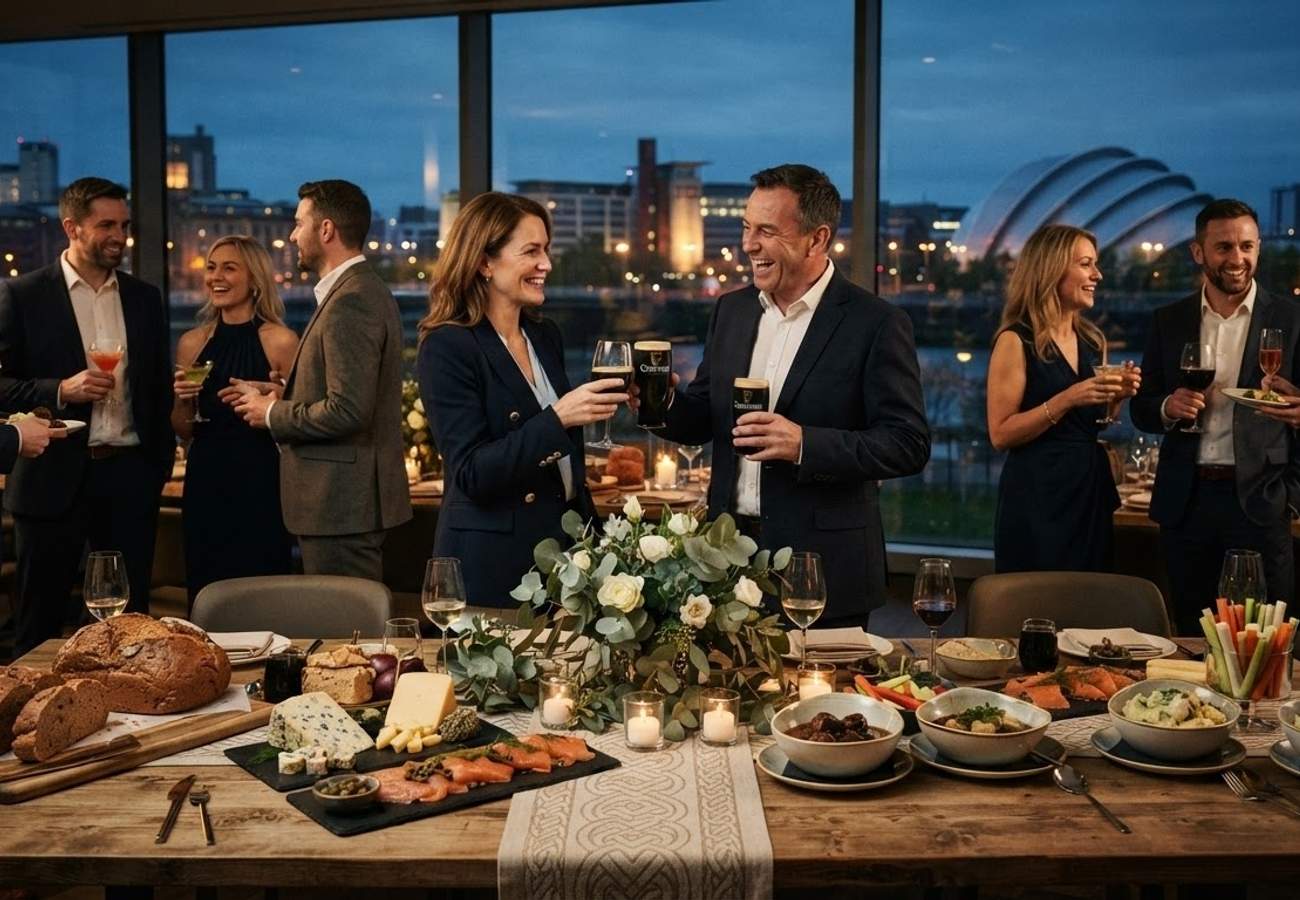
Image generated by AI
Tourism Ireland is pivoting from broad advertising to precision B2B engagement to capture a larger share of the Scottish outbound travel market. By integrating high-value niches like MICE (Meetings, Incentives, Conferences, and Exhibitions) and culinary experiences, the agency aims to diversify visitor demographics and stabilize year-round revenue.
Strategic Pivot to High-Value Tourism Segments
Tourism Ireland recently executed a targeted networking initiative in Glasgow, designed to bridge the gap between Irish service providers and Scottish travel professionals. This shift represents a move away from traditional mass-market visibility toward a data-driven approach that prioritizes immersive and professional travel.
The Glasgow event served as a critical touchpoint for seven specialized Irish businesses to interface directly with 33 leading travel agents. By focusing on the "Taste of Ireland" concept, the agency is leveraging the rising global demand for culinary tourism to differentiate the Irish product from other European competitors.
This strategy does not rely solely on leisure travelers. By aggressively promoting MICE and Event Tourism, Tourism Ireland is targeting corporate delegates and event planners, which helps mitigate the volatility of seasonal leisure travel and ensures a steady flow of high-spending visitors throughout the calendar year.
2026 Performance Benchmarks and Economic Targets
The expansion into the Scottish market is backed by rigorous quantitative goals for 2026. These targets highlight a commitment to scaling small and medium enterprises (SMEs) and increasing the commercial volume of the travel trade.
The agency is tracking success through three primary metrics:
- SME Support: Delivery of more than 1,000 promotional opportunities for small and medium-sized enterprises.
- Business Tourism Volume: Facilitation of 35,000 commercial meetings to strengthen the corporate travel sector.
- Financial Pipeline: Generation of a €300 million pipeline specifically for the Travel Trade.
Impact on the Travel Trade and Consumer Experience
The ripple effect of the Glasgow initiative extends from the agent to the end consumer. When Scottish travel agents are equipped with deep knowledge of Ireland's culinary heritage and corporate infrastructure, the resulting travel packages become more sophisticated and tailored.
Julie Wakley, Head of Great Britain at Tourism Ireland, emphasized that professional partnerships are the essential bedrock for scaling visitor numbers. This B2B focus ensures that incentive trips and professional conferences are prioritized, providing corporate travelers with a premium experience that encourages repeat visits.
For stakeholders and businesses, the Glasgow model suggests that active participation in trade events is no longer optional but mandatory for growth. The transition from passive visibility to active cultivation allows for more efficient resource allocation, directing marketing spend toward segments with the highest potential return on investment.
Evolution of Irish Tourism Marketing
The current approach marks a significant maturation in how Ireland is marketed to its neighbors. Historically, the strategy relied on general awareness campaigns. Today, the focus is on specialized segments and direct knowledge transfer.
| Feature | Traditional Strategy | 2026 Strategic Framework |
|---|---|---|
| Primary Method | Broad, mass-market advertising | Targeted B2B interactions |
| Core Objective | General brand awareness | Active business development |
| Target Audience | General leisure travelers | MICE, Culinary, and Event specialists |
| Resource Use | Wide-net distribution | Concentrated, high-return allocation |
| Market Position | Passive visibility | Active cultivation of professional networks |
Key Takeaways for Industry Stakeholders
- Direct Engagement: Success in the current market requires direct interaction with the travel trade to sell unique, non-generic experiences.
- Infrastructure Integration: There is a growing need to blend local heritage with modern corporate infrastructure to attract MICE tourism.
- Trend Monitoring: Businesses should utilize platforms like the Irish Hotels Federation to stay aligned with evolving travel patterns.
- Strategic Alignment: Local business goals must align with national Business Tourism targets to maximize funding and promotional support.
Ireland is redefining its appeal to the Scottish market by trading generic slogans for high-value, specialized commercial partnerships.
Related Travel Guides
Disclaimer
This article is for informational and educational purposes only. It does not constitute legal, financial, or professional advice. While we strive to provide accurate and up-to-date information, travel policies, regulations, and conditions change rapidly. Always verify information with official sources before making travel decisions. Nomad Lawyer makes no representations about the accuracy, reliability, completeness, or suitability of the information provided. Readers should consult qualified professionals for advice specific to their circumstances. The views expressed in this article are those of the author and do not necessarily reflect the views of Nomad Lawyer.
Kunal K Choudhary
Co-Founder & Contributor
A passionate traveller and tech enthusiast. Kunal contributes to the vision and growth of Nomad Lawyer, bringing fresh perspectives and driving the community forward.
Learn more about our team →