
BermudAir's Ambitious US Expansion Raises Questions About Carrier's Long-Term Viability
Breaking airline news and aviation industry updates for 2026.

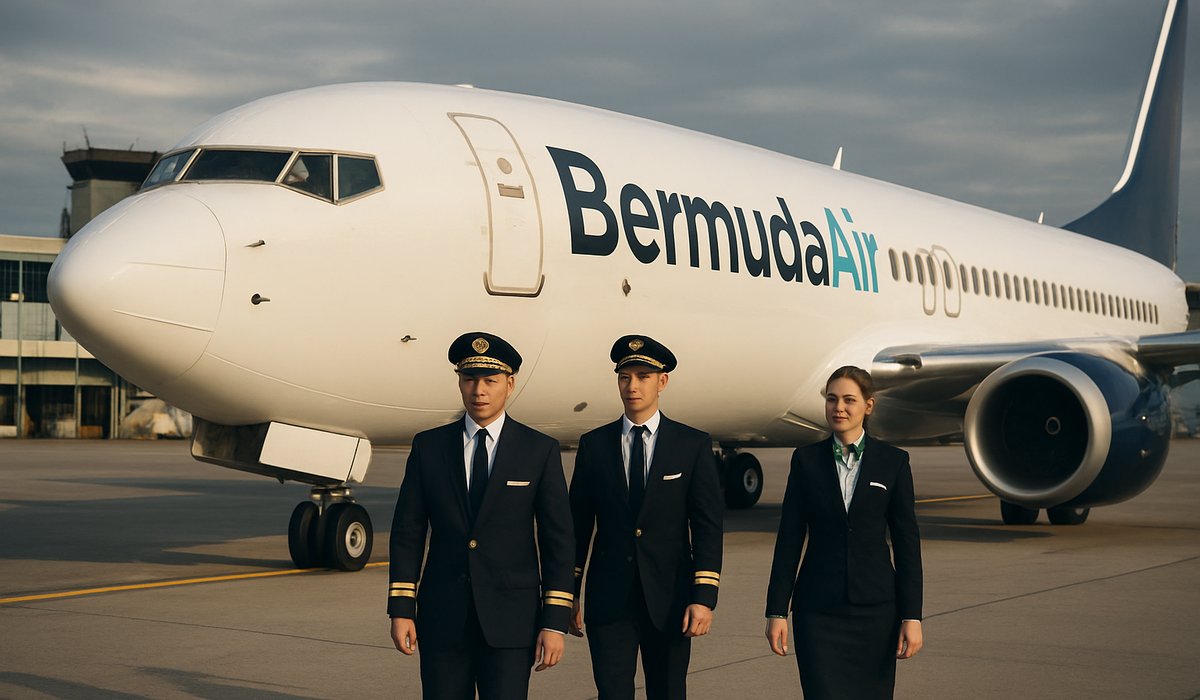
Image generated by AI
BermudAir's Ambitious US Expansion Raises Questions About Carrier's Long-Term Viability
The upstart Bermuda-based airline launches 14 new routes in bold gambit, but industry analysts question sustainability amid fierce competition
Scrappy Island Carrier Bets Big on American Market
BermudAir has stunned the aviation industry by announcing a sweeping network expansion into the United States, rolling out 14 new routes that traverse an eclectic mix of destinations. The move marks an aggressive push by the small Bermuda-based carrier to establish itself as a meaningful player in transatlantic and domestic American travel—a landscape dominated by entrenched legacy carriers with substantially deeper resources.
The route portfolio reveals an unconventional strategy, blending nonstop services with one-stop connections across markets that don't immediately align with traditional travel demand patterns. Industry observers remain cautiously skeptical, questioning whether the expansion represents genuine market opportunity or reflects a desperate revenue-generation strategy to sustain operations amid rising jet fuel prices and mounting operational costs.
Expansion Scope Remains Unclear
The specific details of all 14 routes have not been comprehensively disclosed, leaving significant gaps in understanding BermudAir's commercial logic. Critical questions linger regarding bilateral air service agreements—the international treaties that determine which carriers can operate specific routes between nations. Some routes announced by BermudAir may face regulatory hurdles that could complicate their deployment.
The carrier's rapid growth strategy comes as smaller airlines worldwide grapple with inflationary pressures on aviation fuel, labor costs, and airport fees. Many regional carriers have been forced to rationalize routes or reduce baggage allowances and ancillary charges to remain competitive.
Strategic Gamble or Financial Desperation?
Industry analysts suggest BermudAir's expansion could represent either a bold vision to tap underserved markets or a short-term cash-generation effort to offset operational losses. The carrier has not disclosed detailed financial performance data, making independent assessment of its fiscal health difficult.
Successful ultra-low-cost carriers like Norwegian and budget operators in Europe have demonstrated that point-to-point networks in secondary markets can prove profitable. However, those carriers benefit from established brand recognition and substantial operational scale—advantages BermudAir has yet to achieve.
The aviation industry will closely monitor whether BermudAir can execute this ambitious expansion while maintaining service quality and financial stability, or whether regulatory and competitive pressures force a strategic retreat.
Frequently Asked Questions
What is BermudAir and why is this expansion significant? BermudAir is a small Bermuda-based airline attempting to establish a presence in US markets. The expansion is significant because it represents a rare aggressive growth strategy from a carrier with limited resources in a highly competitive landscape.
How many new US routes is BermudAir launching? BermudAir has announced 14 new routes combining both nonstop and one-stop service to various US destinations.
What are the challenges facing BermudAir's expansion? Key obstacles include bilateral air service agreements that may restrict route operations, rising jet fuel prices, competition from established carriers, and questions about the carrier's financial sustainability.
Are there concerns about BermudAir's business model? Yes—analysts question whether the rapid expansion reflects genuine market opportunity or represents a revenue-generation strategy to keep the airline financially viable during a period of elevated operational costs.
How do smaller airlines stay competitive against major carriers? Regional and budget carriers typically compete through point-to-point networks in secondary markets, lower overhead structures, and optimized pricing strategies that emphasize ancillary revenue through baggage charges and seat selection fees.
Related Travel Guides
Flight Delay Compensation Guide 2026
Understanding Airline Route Changes
Airport Security Process Updated (2026)
External Resources
Disclaimer
This article is for informational and educational purposes only. It does not constitute legal, financial, or professional advice. While we strive to provide accurate and up-to-date information, travel policies, regulations, and conditions change rapidly. Always verify information with official sources before making travel decisions. Nomad Lawyer makes no representations about the accuracy, reliability, completeness, or suitability of the information provided. Readers should consult qualified professionals for advice specific to their circumstances. The views expressed in this article are those of the author and do not necessarily reflect the views of Nomad Lawyer.
Preeti Gunjan
Contributor & Community Manager
A passionate traveller and community builder. Preeti helps grow the Nomad Lawyer community, fostering engagement and bringing the reader experience to life.
Learn more about our team →