
Airlines Face Historic Pilot Shortage as Veteran Captains Hit Mandatory Retirement Age Simultaneously
Breaking airline news and aviation industry updates for 2026.

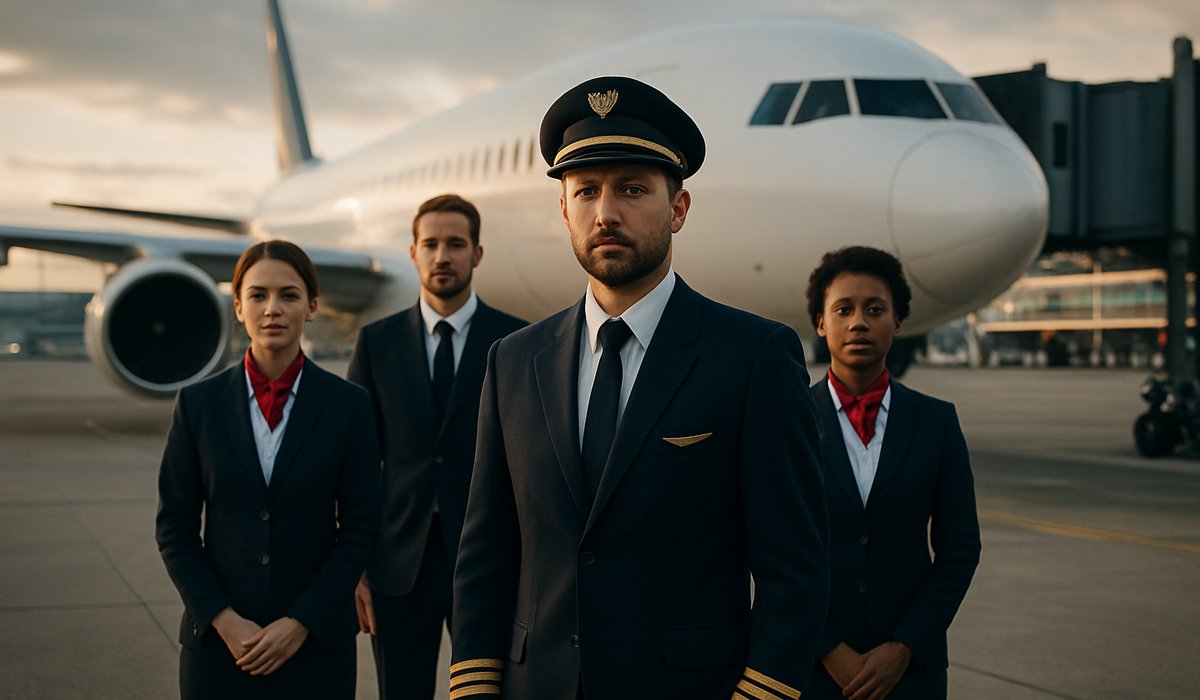
Image generated by AI
Airlines Face Historic Pilot Shortage as Veteran Captains Hit Mandatory Retirement Age Simultaneously
A perfect storm of regulatory requirements and pandemic-era layoffs is creating a critical capacity crisis that threatens global aviation operations
The Demographic Cliff Reshaping Global Aviation
The world's airlines are grappling with an unprecedented crisis that transcends hiring freezes and wage negotiations: thousands of experienced pilots are simultaneously reaching the Federal Aviation Administration's mandatory retirement age of 65, triggering a demographic squeeze that has been accumulating for decades. This convergence of retirements is now forcing carriers across North America, Europe, and beyond to confront a fundamental question about workforce sustainability and operational safety.
The crisis intensified dramatically during the COVID-19 pandemic, when major airlines aggressively incentivized early retirement packages for senior captains as international travel demand collapsed. What appeared as a cost-saving measure at the time has proven to be a strategic miscalculation with far-reaching consequences. Those highly experienced aviators—many with 30+ years of operational expertise—have now permanently exited the profession, leaving a substantial void in the cockpit that cannot be quickly or easily filled.
Why Experience Cannot Be Rushed
The challenge facing carriers extends far beyond simple headcount replacement. Transitioning a commercial airline pilot from entry-level first officer to seasoned captain requires approximately 15-20 years of accumulated flight hours, advanced training, and mentorship under experienced leadership. The current shortage of senior pilots means fewer mentors are available to develop the next generation of captains, creating a cascading shortage that will persist for years.
Industry insiders warn that the shortage has ripple effects across flight operations, crew scheduling, and route planning. Airlines are increasingly forced to cancel flights, reduce international service, or delay aircraft deployments due to insufficient qualified personnel rather than mechanical issues or financial constraints.
Global Implications for Travelers and Operations
The pilot shortage is reshaping aviation economics. Airlines cannot simply increase fares to offset the cost of accelerated training programs, competitive salary increases, and operational inefficiencies created by junior crew deployments. This structural problem affects not only North American carriers but also European and Asian airlines competing for limited pilot talent.
Regional carriers have been particularly hard hit, as they struggle to retain pilots who migrate to major international airlines offering superior compensation and career progression. This disparity threatens route accessibility and service frequency in smaller markets.
What's Next
Airlines are investing heavily in pilot training infrastructure and signing retention agreements to stabilize their senior crews. However, experts agree the global aviation sector will not achieve full operational normalization until the mid-2030s, when larger cohorts of younger captains achieve required experience thresholds.
FAQ: Airline Pilot Shortage Explained
Q: How many pilots are reaching mandatory retirement age? Thousands of veteran captains across major carriers are hitting the FAA's mandatory retirement threshold simultaneously, representing 15-25% of some airlines' captain workforce.
Q: How long does it take to become a captain? Typically 15-20 years from entry-level first officer status, including thousands of flight hours and advanced certifications.
Q: Why didn't airlines anticipate this shortage? The pandemic disrupted workforce planning. Early retirement incentives seemed prudent during demand collapse but permanently removed experienced talent from the available pool.
Q: Will flight cancellations increase? Yes—crew unavailability is already forcing schedule reductions at multiple carriers, complementing mechanical and weather-related disruptions.
Q: How will this affect airline ticket prices? Higher training and recruitment costs may create upward pricing pressure, though immediate fare increases remain uncertain as competition limits pricing power.
Related Travel Guides
Disclaimer
This article is for informational and educational purposes only. It does not constitute legal, financial, or professional advice. While we strive to provide accurate and up-to-date information, travel policies, regulations, and conditions change rapidly. Always verify information with official sources before making travel decisions. Nomad Lawyer makes no representations about the accuracy, reliability, completeness, or suitability of the information provided. Readers should consult qualified professionals for advice specific to their circumstances. The views expressed in this article are those of the author and do not necessarily reflect the views of Nomad Lawyer.
Preeti Gunjan
Contributor & Community Manager
A passionate traveller and community builder. Preeti helps grow the Nomad Lawyer community, fostering engagement and bringing the reader experience to life.
Learn more about our team →