
What Your Boarding Behavior Reveals: How Flight Attendants Assess Passenger Experience in Seconds
Breaking airline news and aviation industry updates for 2026.

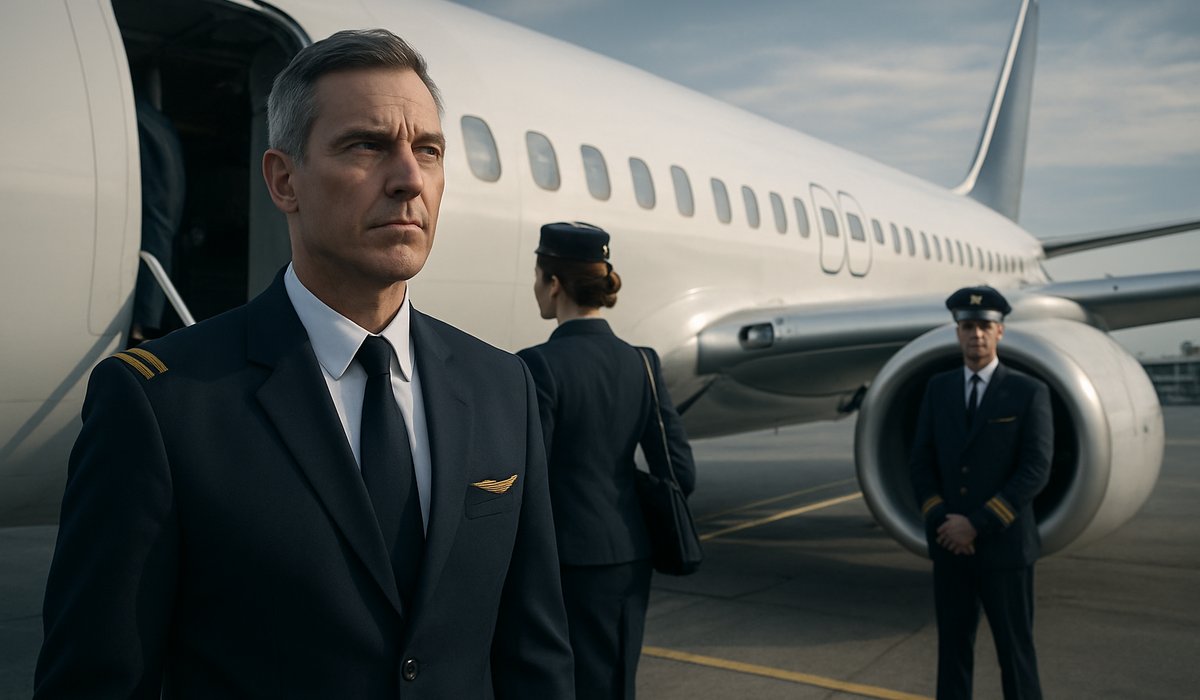
Image generated by AI
What Your Boarding Behavior Reveals: How Flight Attendants Assess Passenger Experience in Seconds
Cabin crew employ subtle observation techniques to identify nervous flyers and frequent travelers during the boarding process
The Hidden Language of Aircraft Boarding
Every day, thousands of passengers stream through aircraft doors in what appears to be a straightforward, mechanical process. Yet behind the welcoming smiles and courteous gestures, flight attendants are conducting rapid psychological assessments that reveal far more about travelers than most realize. Industry insiders confirm that trained cabin crew personnel use specific behavioral cues during boarding to instantly categorize passengers by their flying experience—a skill honed through rigorous professional training and years of operational experience.
What Cabin Crew Are Actually Observing
Flight attendants begin their evaluation the moment passengers approach the aircraft entrance. Rather than simply checking boarding passes and directing people to seats, these trained professionals are systematically noting behavioral patterns that indicate whether someone is a seasoned traveler or a first-time flyer.
According to aviation industry experts, certain habits and mannerisms telegraph experience levels immediately. These observations serve practical purposes beyond mere curiosity—they help cabin crew anticipate which passengers may need additional assistance, reassurance, or intervention during the flight.
The boarding process, despite appearing routine to passengers, represents a carefully choreographed safety and service protocol. Flight attendants receive extensive training to remain vigilant from the moment the first passenger enters until the cabin doors close. This heightened awareness extends to assessing passenger demeanor, confidence levels, and familiarity with aircraft procedures.
The Professional Perspective
Industry sources indicate that experienced cabin crew can identify nervous or inexperienced flyers through observable characteristics: hesitation when entering the cabin, uncertainty about luggage placement, difficulty locating seat assignments, or excessive questioning about standard procedures. Conversely, seasoned travelers typically demonstrate swift navigation through the cabin, familiarity with baggage stowage, and minimal interaction beyond boarding pass verification.
This assessment capability serves multiple operational functions. Crew members can pre-emptively offer support to anxious passengers, expedite the boarding process by understanding passenger needs, and allocate resources efficiently throughout the flight.
Industry Standards and Safety
The aviation industry emphasizes that such observations remain secondary to primary safety responsibilities. Flight attendants maintain their principal focus on security protocols, emergency procedures, and passenger safety compliance. However, understanding passenger backgrounds enhances their ability to deliver personalized service and respond appropriately to individual needs.
The seemingly simple act of boarding thus represents a sophisticated intersection of hospitality, psychology, and professional expertise—a brief window during which experienced aviation professionals conduct comprehensive passenger evaluations using behavioral observation techniques developed across their careers.
FAQ: Common Questions About Passenger Behavior and Flight Attendant Training
1. How can flight attendants identify first-time flyers during boarding? Cabin crew observe hesitation patterns, excessive questions about standard procedures, uncertainty navigating the cabin layout, and difficulty with luggage stowage—all common indicators of limited flying experience.
2. What specific boarding behaviors reveal frequent flyer status? Experienced travelers typically move confidently through the cabin, efficiently stow belongings, locate seats without assistance, and minimize interactions beyond boarding pass presentation.
3. Do flight attendants receive formal training in passenger behavior assessment? Yes, aviation regulatory bodies require comprehensive training programs that include passenger psychology, communication techniques, and behavioral observation as part of flight crew certification requirements.
4. Why do flight attendants assess passengers during boarding? Assessment enables crew to anticipate passenger needs, provide targeted assistance, enhance safety compliance, and deliver more personalized in-flight service.
5. Can passenger anxiety levels during boarding affect flight operations? While minor anxiety is common, flight attendants monitor for signs of significant distress that might require intervention or additional support throughout the flight.
Related Travel Guides
Flight Delay Compensation Guide 2026
Understanding Airline Route Changes
Airport Security Process Updated (2026)
External Resources
Disclaimer
This article is for informational and educational purposes only. It does not constitute legal, financial, or professional advice. While we strive to provide accurate and up-to-date information, travel policies, regulations, and conditions change rapidly. Always verify information with official sources before making travel decisions. Nomad Lawyer makes no representations about the accuracy, reliability, completeness, or suitability of the information provided. Readers should consult qualified professionals for advice specific to their circumstances. The views expressed in this article are those of the author and do not necessarily reflect the views of Nomad Lawyer.
Kunal K Choudhary
Co-Founder & Contributor
A passionate traveller and tech enthusiast. Kunal contributes to the vision and growth of Nomad Lawyer, bringing fresh perspectives and driving the community forward.
Learn more about our team →