
Thailand Expands Factory Tourism in 2026: Ayutthaya and Chonburi Lead Industrial Travel Shift
Thailand is diversifying its travel sector in 2026 by transforming manufacturing sites and creative hubs in Ayutthaya, Chonburi, and beyond into immersive visitor experiences.

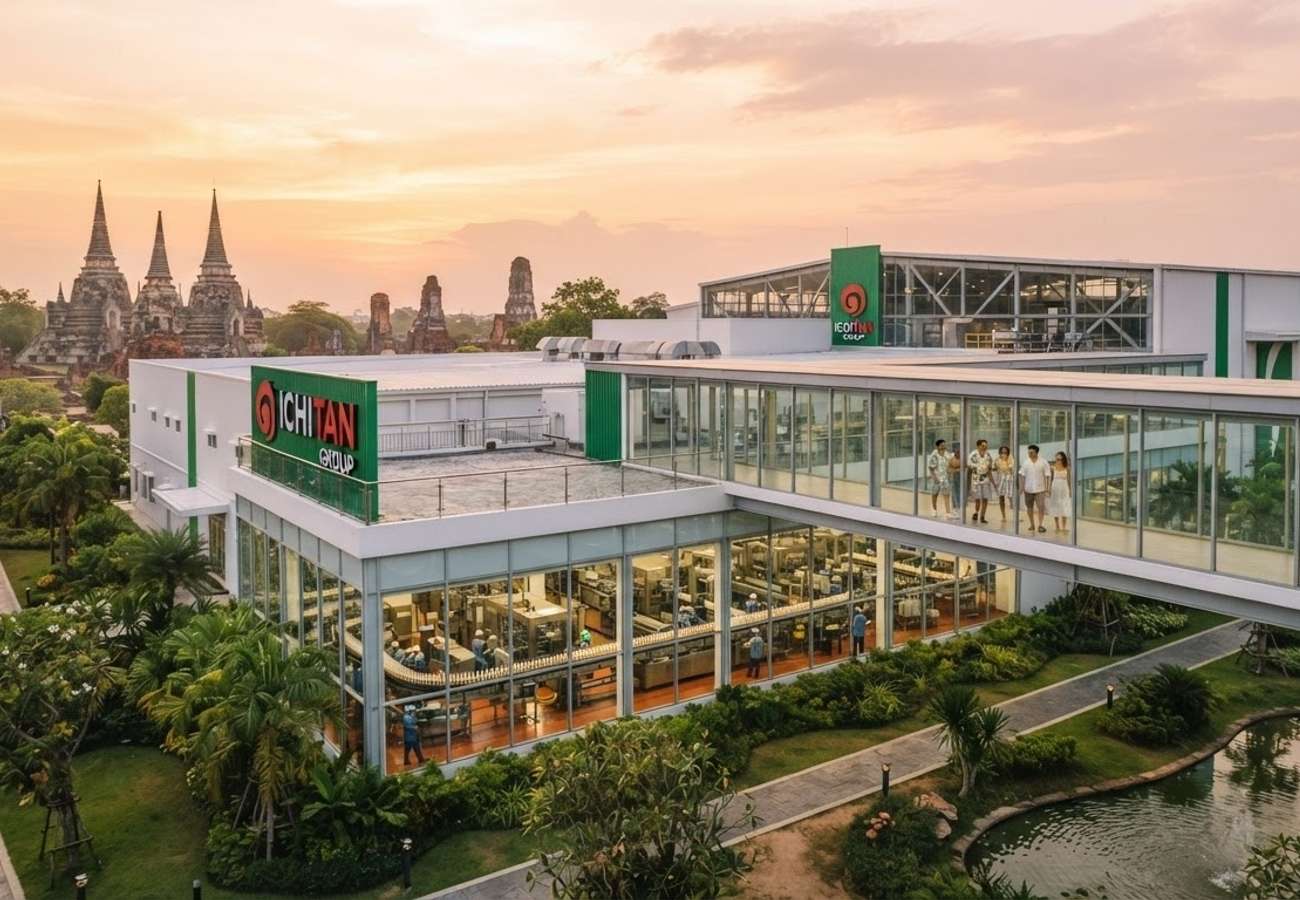
Image generated by AI
Thailand is aggressively expanding its "factory tourism" sector in 2026, converting manufacturing plants, creative hubs, and production communities into high-value visitor experiences.
The shift moves beyond traditional sightseeing, positioning industrial sites as educational and cultural assets. While Ayutthaya and Chonburi currently dominate with operational facility tours, provinces like Prachin Buri and Suphan Buri are now deploying government-backed strategies to build dedicated industrial-tourism routes.
This evolution is part of a broader national strategy to promote experience-based tourism. By opening the doors of its manufacturing identity—ranging from high-tech automation to traditional ceramics—Thailand aims to attract higher-spending travelers and encourage longer stays.
Regional Industrial Tourism Breakdown
The current landscape of Thai factory tourism is split between three distinct categories: high-tech automated plants, craft-based creative villages, and industrial heritage sites.
- High-Tech & Automation: Centered in the industrial heartlands of Ayutthaya and Chonburi, focusing on circular economy and quality systems.
- Creative & Artisan Manufacturing: Concentrated in Lampang, Ratchaburi, and Chiang Mai, blending production with workshops.
- Heritage & Policy-Driven Hubs: Emerging in Kanchanaburi and Prachin Buri, where old factories are revitalized or new eco-industrial zones are planned.
2026 Factory Tourism Matrix
| City / Province | Tourism Position | Principal Anchor | Visitor Experience | Access Requirements | 2026 Status |
|---|---|---|---|---|---|
| Ayutthaya | Leading Public Destination | Ichitan Green Factory / TANLAND | Automated beverage production, AR experiences, circular economy | Free admission; scheduled Mon-Sat | Operating since March 15, 2024 |
| Chonburi | Organized Tour Leader | Daikin Industries Thailand | AC manufacturing, quality systems, safety protocols | Application required 30 days prior; 12+ years old | Active; capacity up to 2,500 visitors/year |
| Prachin Buri | Emerging Policy Hub | Eco-industrial areas | Environmentally responsible industry, community links | Route development phase | 310,000 baht allocated for industrial tourism |
| Suphan Buri | Lifestyle Route Developer | Community production sites | Local production, cultural manufacturing | Route-based booking | 3 "industrial-lifestyle" programs launched Feb 9, 2026 |
| Lampang | Craft-Factory Leader | Dhanabadee Ceramic Museum | Ceramic moulding, glazing, hand-painting | Public attraction | Established production-learning product |
| Rayong | Controlled Industrial | PTT Global Chemical / PTT LNG | Petrochemical and energy infrastructure | Restricted (Corporate/Shareholders) | Shareholder visits held June 24–25, 2026 |
| Kanchanaburi | Industrial Heritage | Old Kanchanaburi Paper Factory | Historic architecture, heritage interpretation | Event/Heritage attraction | Revitalized for tourism in late 2025 |
| Ratchaburi | Creative-Factory Hub | Tao Hong Tai Ceramics | Contemporary ceramics, galleries, art | Visitor-facing complex | Integrated manufacturing and art destination |
| Phitsanulok | Niche Artisan | Buranathai Buddha Factory | Traditional Buddha-image casting | Direct confirmation required | Longstanding cultural-production site |
| Chiang Mai | Creative Industry Hub | On Tai Creative Village | Weaving, pottery, local product design | Workshop-based access | Core part of 2026 TAT strategy |
| Phichit | Development Pipeline | Proposed Creative Industry Village | Community products, producer experiences | Planning stage | Preliminary budget-planning for 2026 |
Why This Matters: Industry Analysis
From a logistical and market perspective, this shift represents a strategic pivot in how Thailand leverages its economy for tourism. For the travel industry, the implications are three-fold:
- Diversification of the "Thai Brand": Thailand is moving away from being viewed solely as a beach and temple destination. By showcasing the Daikin or Ichitan facilities, the country is marketing its status as a regional industrial powerhouse.
- High-Value Captive Audiences: Factory tourism attracts a different demographic—B2B travelers, students, and "edutourists." These visitors typically have higher spending power and seek structured, educational itineraries.
- Economic Decentralization: By funding projects in Phichit and Prachin Buri, the government is pushing tourist spend away from saturated hubs like Bangkok and Phuket into industrial zones that previously saw zero tourism revenue.
Our analysis of the route maps suggests that the integration of "industrial-lifestyle" programs in Suphan Buri is a test case for bundling manufacturing with rural tourism, potentially creating new luxury "slow travel" circuits.
Forward Outlook
Expect a surge in "Creative Industry Villages" (CIV) throughout 2026. The allocation of funds in Prachin Buri (310,000 baht for tourism and 250,000 baht for CIV development) indicates a blueprint that will likely be replicated in other provinces.
The next phase will likely involve the digitization of these tours, with more AR-style experiences similar to those found at TANLAND, making industrial sites accessible to younger, tech-savvy demographics.
The line between the assembly line and the tour line has officially blurred in Thailand.
Related Travel Guides
Disclaimer
This article is for informational and educational purposes only. It does not constitute legal, financial, or professional advice. While we strive to provide accurate and up-to-date information, travel policies, regulations, and conditions change rapidly. Always verify information with official sources before making travel decisions. Nomad Lawyer makes no representations about the accuracy, reliability, completeness, or suitability of the information provided. Readers should consult qualified professionals for advice specific to their circumstances. The views expressed in this article are those of the author and do not necessarily reflect the views of Nomad Lawyer.
Kunal K Choudhary
Co-Founder & Contributor
A passionate traveller and tech enthusiast. Kunal contributes to the vision and growth of Nomad Lawyer, bringing fresh perspectives and driving the community forward.
Learn more about our team →