
Tara Air Resumes Seasonal Pokhara-Jomsom Flights for Mustang Pilgrims and Trekkers

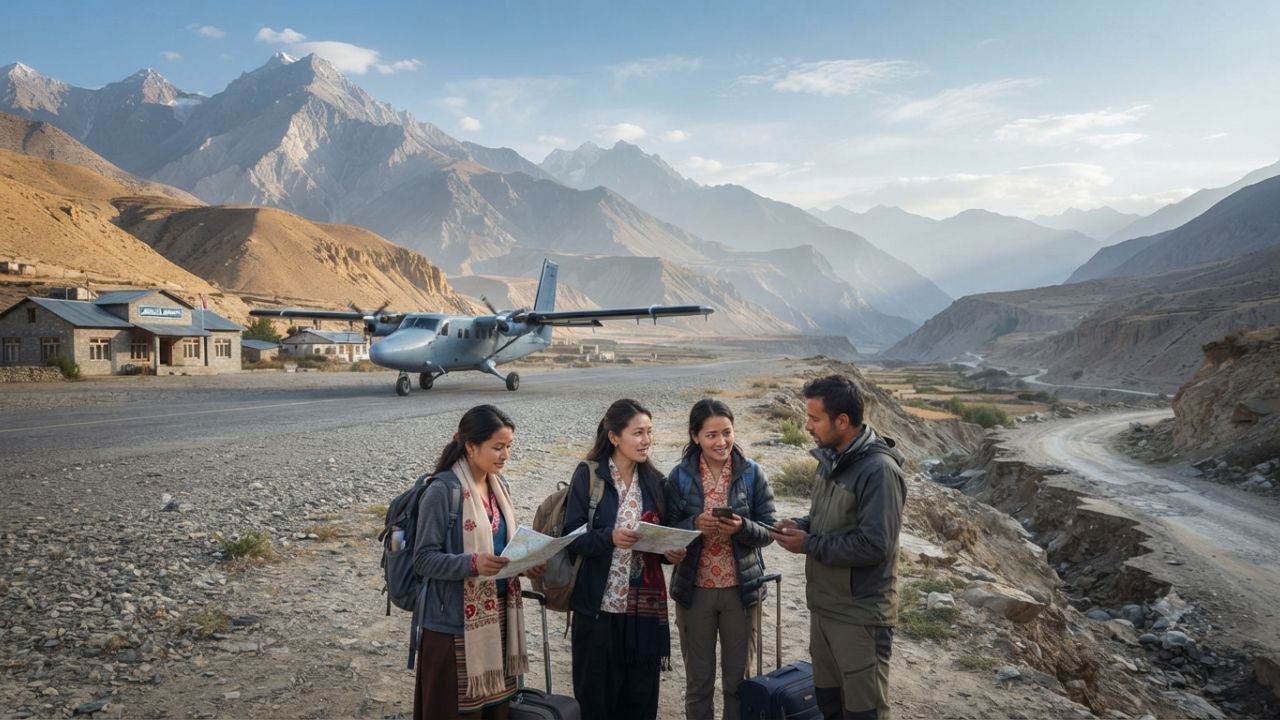
Tara Air has published its seasonal flight operating schedule connecting Pokhara and Jomsom through December 15, 2026, providing key mountain access to Mustang.
Tara Air has confirmed the resumption of its seasonal flight operations between Pokhara and Jomsom, running from September 13 through December 15, 2026. As seasonal monsoon flooding and landslides affect sections of the Beni–Jomsom highway, air connectivity serves as a vital transit link for trekkers entering Upper Mustang and pilgrims traveling to the sacred site of Muktinath.
Tara Air Confirms Seasonal Pokhara-Jomsom Flight Window Through December 15
[POKHARA, Nepal, October 4, 2026] — Nepalese regional carrier Tara Air has issued an official operational notice confirming its autumn flight schedule connecting Pokhara to Jomsom Airport in the Mustang district. Running from September 13 to December 15, 2026, the seasonal flight window provides scheduled Short Take-Off and Landing (STOL) flights across the Kali Gandaki valley.
Airline officials clarify that the notice establishes a defined seasonal operating period rather than a new route launch or a published daily departure frequency. While air links offer rapid mountain transit, travel planners emphasize that flight availability remains weather-dependent, requiring travelers to verify individual seat reservations and local road conditions before committing to tight onward itineraries.
Essential Itinerary Verification Matrix for Mustang Travelers
To ensure smooth transit between Pokhara, Jomsom, and high-altitude destinations across Mustang, travel analysts recommend verifying each leg of multi-modal itineraries.
| Journey Leg | Primary Verification Checklist | Recommended Passenger Action |
|---|---|---|
| Pokhara Departure | Airport terminal, reporting time, & baggage limits | Obtain written booking confirmation from carrier |
| Jomsom Arrival | Local ground transfer & hotel pickup service | Confirm vehicle driver details & rendezvous point |
| Onward Muktinath Transit | Beni-Jomsom road status & jeep availability | Check current access status for 3,800m pilgrimage leg |
| Hotel Reservations | Flexible check-in terms & cancellation policies | Secure written confirmation for weather-delayed arrivals |
| Return Flight | Re-confirmation procedures & delay protocols | Verify airline communication channels for schedule changes |
| International Transit | Buffer time between domestic & long-haul flights | Maintain multi-hour buffers in Kathmandu for connections |
Jomsom Gateway Role in Mustang Treks and Muktinath Pilgrimage Routes
Jomsom functions as the primary aviation gateway for the Mustang region, serving both high-altitude trekkers and religious pilgrims. According to destination documentation from the Nepal Tourism Board, the flight from Pokhara provides direct access to the Annapurna Circuit and Upper Mustang trekking corridors.
For pilgrims, Jomsom represents the main transit point en route to Muktinath, a sacred site situated at an elevation of approximately 3,800 meters. Venerated by both Hindu and Buddhist devotees, the temple complex features 108 sacred water spouts and natural gas fires.
Because Muktinath sits significantly higher than Jomsom, landing at Jomsom Airport solves only the initial leg of the journey. Travelers must arrange separate onward road transfers via four-wheel-drive vehicles or local buses to complete the remaining ascent to Muktinath.
Beni-Jomsom Road Disruption and Onward Transport Verification
Seasonal monsoon rains routinely affect the 76-kilometer Beni–Jomsom highway, causing localized landslides, river erosion, and mudslides along mountain passes. When road closures occur, demand for Pokhara–Jomsom flights increases significantly among domestic and international travelers.
However, transport experts advise travelers against assuming that booking a flight eliminates all ground transit challenges. Onward travel from Jomsom Airport toward Muktinath, Kagbeni, or Lo Manthang still relies on local mountain roads.
Travelers should request updated road condition reports directly from local transport operators before departure. Obtaining real-time date-stamped updates helps distinguish between temporary traffic controls, restricted single-lane passages, and complete road washouts along the Kali Gandaki corridor.
Operational Realities: Separating Planned Flight Windows From Live Schedules
A key distinction in Nepalese mountain aviation lies between an airline's published operating window and real-world daily flight execution. Mountain weather patterns in the Kali Gandaki valley—including morning fog in Pokhara and high wind speeds in Jomsom after midday—frequently force flight delays or cancellations.
Official aviation notices confirm seasonal flight windows (September 13 to December 15, 2026), but do not guarantee specific daily frequencies or daily flight totals. Rumors of unconfirmed flight additions should be verified through primary airline reservation systems rather than unofficial social media reports.
Passengers should ensure their contact details are correctly listed in airline booking records to receive real-time SMS or email notifications regarding weather-related schedule changes.
Financial and Insurance Protocols for Multi-Modal Mountain Travel
Navigating mountain travel in Nepal requires clear financial budgeting and comprehensive travel insurance coverage. Swapping from overland bus transport to regional flights involves separate ticket purchases, baggage fees, and potential hotel rebooking charges.
Travelers should maintain an itemized record of all transport purchases and verify insurance policy terms regarding:
- Financial coverage for weather-related flight cancellations.
- Travel interruption benefits for missed international connecting flights out of Kathmandu.
- High-altitude medical evacuation and helicopter rescue coverage up to 4,000 meters elevation.
Standard travel insurance policies often require formal written confirmation of flight cancellations or road closure notices from official transport authorities before reimbursing out-of-pocket expenses.
Critical Impact Analysis: Mountain Aviation Logistics vs. Ground Infrastructure Vulnerabilities
The operational environment between Pokhara and Jomsom highlights the vulnerability of mountain tourism infrastructure. When high-altitude highways suffer storm damage, regional STOL airlines provide vital emergency access, keeping remote tourism communities connected.
However, relying entirely on light aircraft operations introduces capacity constraints. STOL aircraft operating into high-altitude mountain airstrips carry restricted passenger numbers and strict luggage weight limits. Sustainable tourism in Mustang requires long-term investment in climate-resilient road engineering alongside reliable air corridors.
Why This Matters (Information Gain & Experience)
For pilgrims and mountain trekkers planning autumn journeys to Mustang, Tara Air's seasonal Pokhara–Jomsom flight schedule provides a clear operational window through December 15, 2026. Using air transit allows travelers to bypass flood-damaged road sections along the Beni–Jomsom highway.
To ensure a smooth journey, travelers must build multi-day itinerary buffers, secure written confirmations for onward ground transfers to Muktinath, and maintain comprehensive insurance coverage. Verifying each leg of the journey before departure ensures a safe and memorable experience across Nepal's high-Himalayan landscapes.
Related Travel Guides
Nepal Tourist Arrivals September 2026: Regional Market Trends and Mountain Tourism Report
Asia Flight Disruptions: Regional Delays and Cancellations Travel Guide 2026
The Best Annapurna Circuit Trekking Itineraries and Muktinath Guides According to Reddit
Disclaimer
This article is for informational and educational purposes only. It does not constitute legal, financial, or professional advice. While we strive to provide accurate and up-to-date information, travel policies, regulations, and conditions change rapidly. Always verify information with official sources before making travel decisions. Nomad Lawyer makes no representations about the accuracy, reliability, completeness, or suitability of the information provided. Readers should consult qualified professionals for advice specific to their circumstances. The views expressed in this article are those of the author and do not necessarily reflect the views of Nomad Lawyer.
Raushan Kumar
Founder & Lead Developer
Full-stack developer with 11+ years of experience and a passionate traveller. Raushan built Nomad Lawyer from the ground up with a vision to create the best travel and law experience on the web.
Learn more about our team →