
Tanzania Launches Go Eastern Strategy in Seoul to Attract South Korean Tourists and Investment
Tanzania is targeting the South Korean travel market through a strategic Seoul roadshow, aiming to increase visitor numbers beyond the current 9,000 annual arrivals via its Go Eastern strategy.

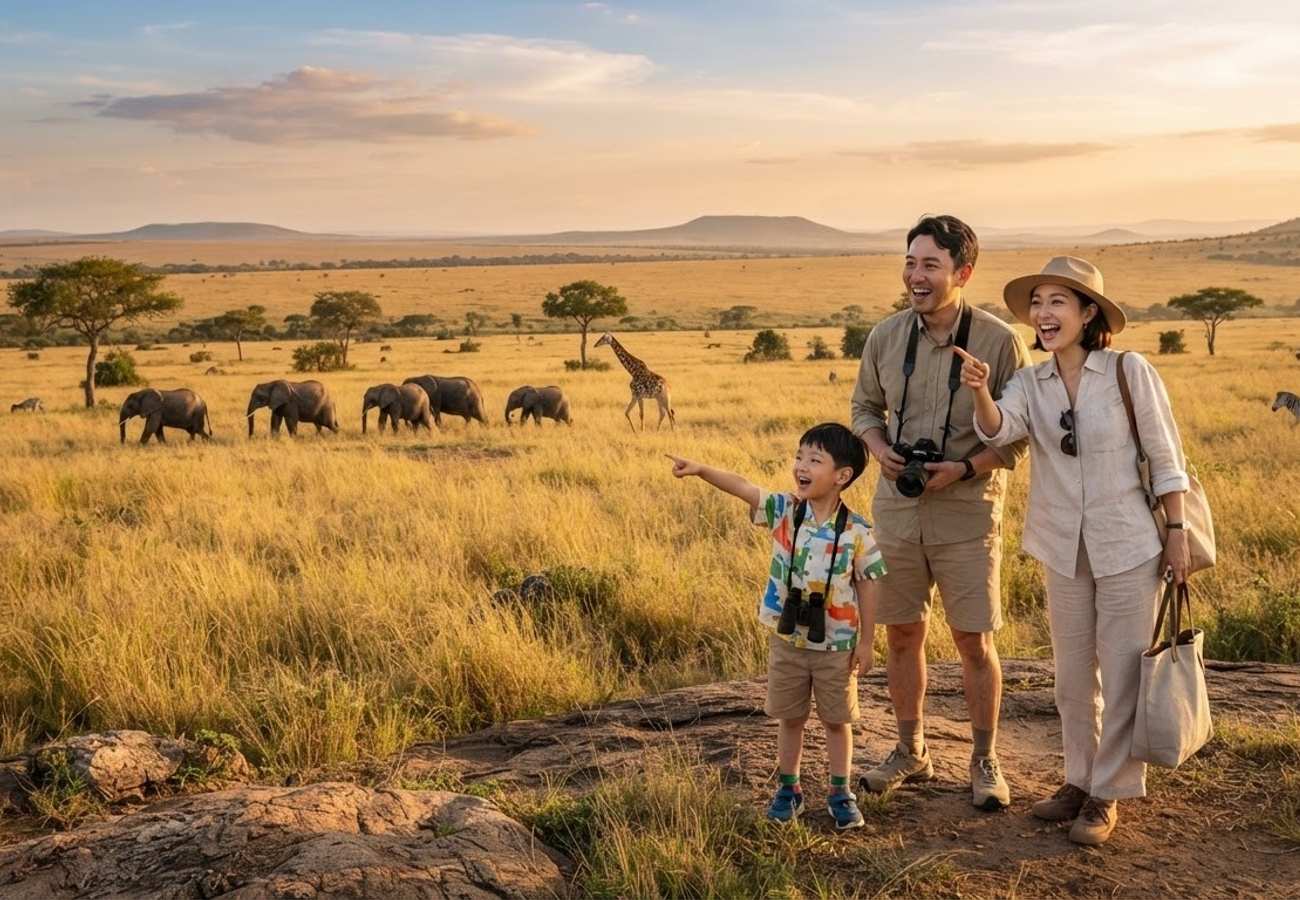
Image generated by AI
[Seoul, July 8, 2026] — Tanzania has initiated a high-level destination promotion campaign in Seoul, South Korea, as part of a broader "Go Eastern" strategy designed to diversify its international visitor base. The initiative involves a coordinated effort between government delegates, tourism operators, and travel agencies to position the East African nation as a premier destination for Asian travelers.
This strategic pivot comes as Tanzania seeks to reduce its reliance on traditional Western markets by tapping into the rising demand for long-haul, experiential travel within East Asia. Industry reports indicate that while Tanzania currently attracts more than 9,000 South Korean visitors annually, there is substantial untapped potential for growth in this high-spending demographic.
Strategic Expansion into the South Korean Travel Market
The Seoul roadshow serves as the operational centerpiece of the Go Eastern strategy. By engaging directly with the Korean travel industry, Tanzanian officials aim to establish a sustainable pipeline of visitors interested in nature-based and culturally immersive journeys.
South Korea has been identified as a priority market due to a documented increase in outbound travel trends favoring unique, "bucket-list" destinations. Tourism officials believe that by strengthening trade ties and increasing the visibility of Tanzanian attractions, the country can capture a larger share of the Asian outbound market. The focus is not merely on increasing volume, but on attracting higher-value tourists who engage in longer stays and more diverse activities.
Showcasing Diverse Tanzanian Tourism Assets in Seoul
During the promotional event, the Tanzania Tourist Board and the Embassy of Tanzania presented a comprehensive portfolio of attractions to over 30 leading Korean travel agencies. The presentations were designed to provide travel professionals with the necessary tools to build competitive travel packages for the Korean market.
The promotional materials focused on several key pillars of the Tanzanian experience:
- The Serengeti National Park: Highlighting the Great Migration and luxury safari infrastructure.
- Mount Kilimanjaro: Positioning the peak as the ultimate challenge for adventure seekers.
- Zanzibar: Showcasing the blend of white sand beaches and the historical depth of Stone Town.
- The Ngorongoro Crater and Olduvai Gorge: Emphasizing the geological and anthropological significance of these sites.
Leveraging Safari and Adventure Tourism for Growth
The Serengeti remains the primary driver for international interest. For South Korean travelers, who are increasingly seeking meaningful connections with nature, the promise of seeing the "Big Five"—lions, leopards, elephants, buffalo, and rhinos—in their natural habitat is a significant draw.
Parallel to wildlife, the promotion of Mount Kilimanjaro targets the active holiday segment. As the highest mountain in Africa, it appeals to the Korean demographic's interest in trekking and outdoor endurance. By marketing these two distinct experiences, Tanzania avoids the risk of being seen as a one-dimensional destination, offering a variety of products that range from high-adrenaline climbs to ultra-luxury safari lodges.
Integrating Zanzibar into Multi-Destination Itineraries
A critical component of the Seoul campaign is the promotion of Zanzibar as a complementary destination to the mainland. Industry observers note that the most successful long-haul itineraries often combine adventure with relaxation.
By promoting the marine activities and cultural heritage of the Zanzibar archipelago, Tanzania encourages South Korean tourists to extend their stay. This "Safari-and-Beach" combination increases the total spend per visitor and allows the country to compete with other luxury island destinations in the Indian Ocean.
Prioritizing Environmental Conservation and Sustainability
Sustainability was a recurring theme throughout the roadshow. Tanzanian officials emphasized that approximately 32% of the nation's land is dedicated to conservation and protected areas.
This commitment to environmental stewardship is specifically targeted at younger, socially conscious travelers and high-net-worth individuals who prioritize responsible tourism. By highlighting community involvement and wildlife protection, Tanzania is positioning itself as an ethical choice for the modern global traveler.
Expanding Commercial Ties via the Swahili International Tourism Expo
To move beyond mere promotion and into commercial execution, the roadshow heavily marketed the upcoming Swahili International Tourism Expo (SITE) scheduled for October.
Tanzanian officials are urging Korean tour operators and accommodation providers to attend SITE to forge direct B2B partnerships. Such trade events are viewed as essential for removing intermediaries and creating more efficient, cost-effective travel packages that can be marketed directly to the Seoul public.
Addressing Barriers to Entry for Korean Travelers
While the interest in African destinations is growing, representatives from the Korean tourism sector pointed out several friction points that could hinder growth. These include:
- Visa Complexity: A lack of streamlined information regarding entry requirements.
- Health Regulations: Uncertainty surrounding yellow fever vaccination protocols.
- Logistical Gaps: A need for clearer information on flight connections and transit safety.
Industry sources suggest that improving the transparency of travel requirements will be the most immediate way to convert general interest into confirmed bookings.
Institutional Support and Private Sector Collaboration
The Seoul Tourism Association has formally pledged to expand its cooperation with the Tanzania Tourist Board. This institutional support is expected to facilitate greater private-sector exchange, allowing Tanzanian suppliers to better understand the specific preferences and expectations of Korean consumers.
Since long-haul travelers rely heavily on the recommendations of expert travel agents, these partnerships are viewed as the primary engine for growth. The goal is to create a seamless "visitor journey" that begins with an agency recommendation in Seoul and ends with a high-satisfaction experience in East Africa.
Why This Matters: The Shift Toward Asian Market Diversification
The implementation of the Go Eastern strategy signifies a fundamental shift in how African nations approach tourism growth. For decades, the industry relied heavily on European and North American arrivals. However, the rise of disposable income and the appetite for experiential travel in East Asia represent a massive economic opportunity.
By targeting South Korea, Tanzania is not just seeking more tourists; it is hedging against regional economic volatility in the West. The integration of sustainability, luxury, and adventure into a single national brand allows Tanzania to compete on a global stage. If successful, this model of aggressive, targeted roadshows in Asian hubs could become the blueprint for other African destinations seeking to diversify their economic dependencies.
Tanzania is effectively building a new tourism bridge, transforming a distant geographic relationship into a strategic economic partnership.
Related Travel Guides
Disclaimer
This article is for informational and educational purposes only. It does not constitute legal, financial, or professional advice. While we strive to provide accurate and up-to-date information, travel policies, regulations, and conditions change rapidly. Always verify information with official sources before making travel decisions. Nomad Lawyer makes no representations about the accuracy, reliability, completeness, or suitability of the information provided. Readers should consult qualified professionals for advice specific to their circumstances. The views expressed in this article are those of the author and do not necessarily reflect the views of Nomad Lawyer.
Kunal K Choudhary
Co-Founder & Contributor
A passionate traveller and tech enthusiast. Kunal contributes to the vision and growth of Nomad Lawyer, bringing fresh perspectives and driving the community forward.
Learn more about our team →